Commons Content Party

89 readers
2 users here now

Celebrate open culture and the public domain! Post news, memes, and whatever else, as long as it's in the public domain or equivalent license such as Creative Commons.

Commentary, edits, and remixes welcome! Affirmatively stating that any edits/remixes are in the public domain or under a permissive license appreciated.

founded 2 months ago
MODERATORS
1
2


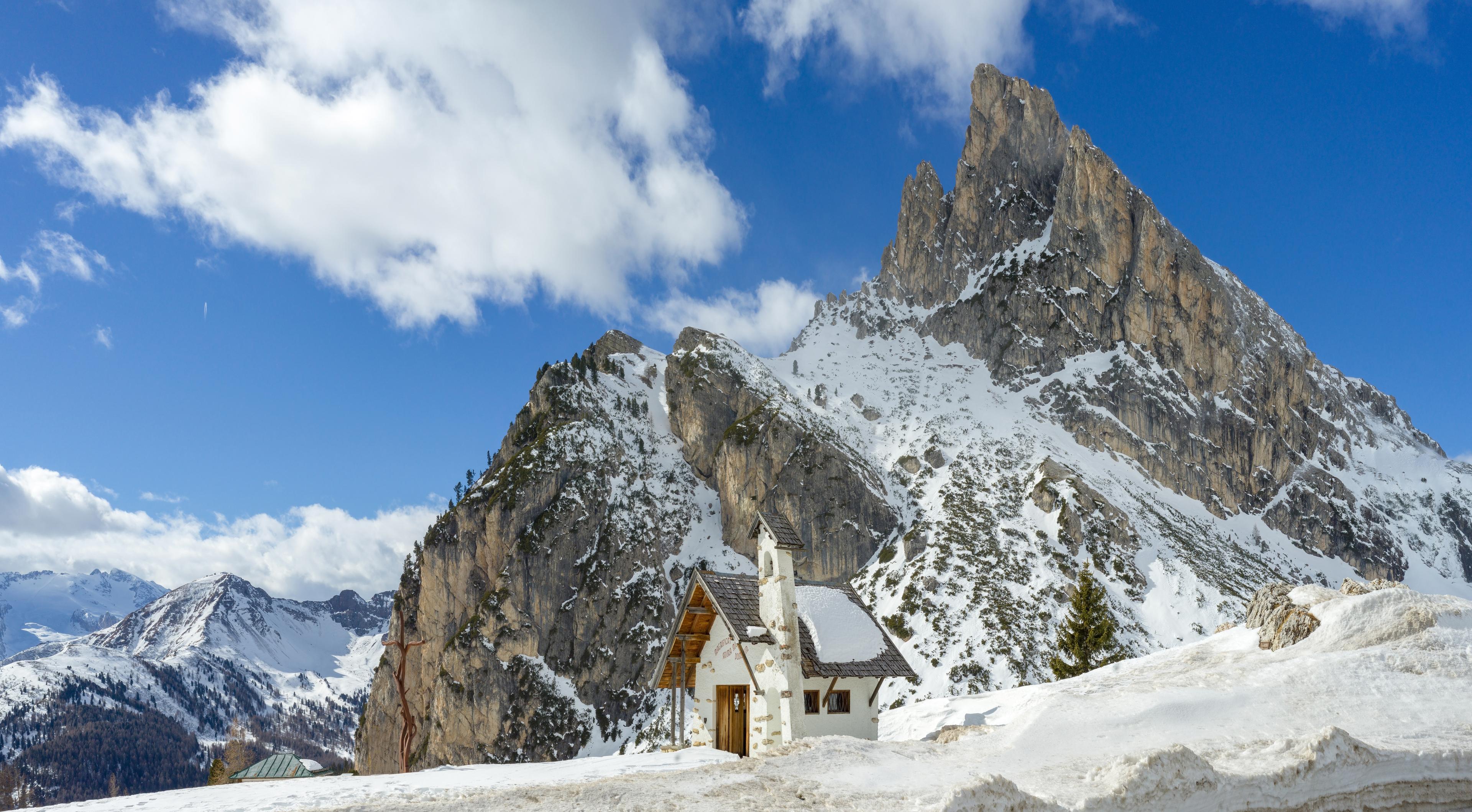
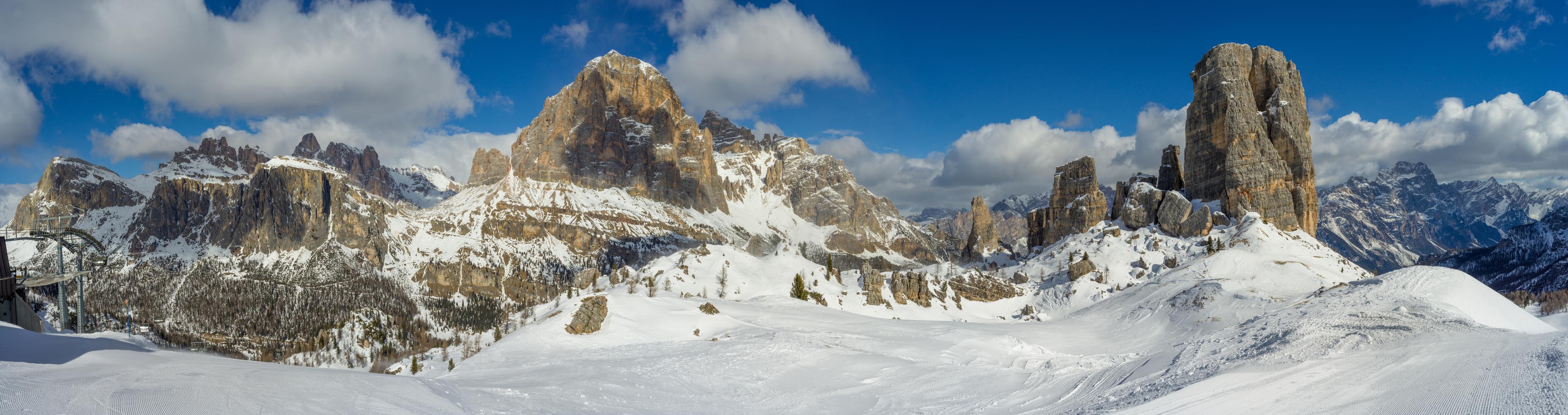
https://commons.wikimedia.org/wiki/File:Lagazuoi_Torri_del_Falzarego_Col_dei_Bos_Tofana_de_Rozes_Cinque_Torri.jpg

Description:

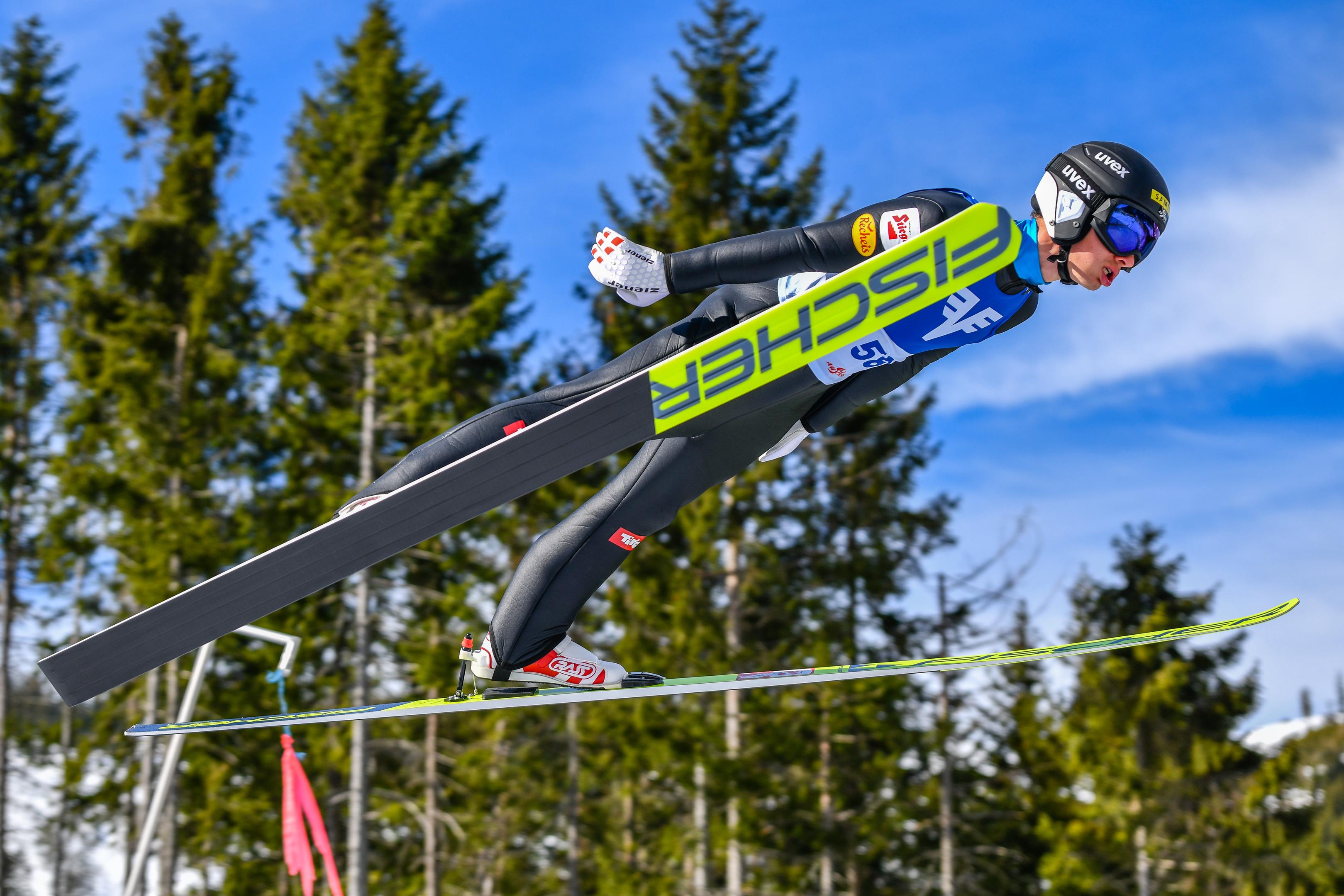
Skiing in the Dolomites. The Lagazuoi, Torri del Falzarego, Col dei Bos, Tofana de Rozes and Cinque Torri
3


This is an interesting one, this is caisson lighthouse built between 1957-1958, it was shipped out and installed in 1958.

During the winter of 1969, eleven years later, the lighthouse was shorn off it's foundation by the pressure of the ice around it, this caused it to fall over.

The lighthouse fell over (not very typical), and electric light went out, but the backup gas powered Dalén light turned on and worked!

Here is a diagram of the lighthouse showing the shear point, with helpful text in english:

https://fyr.org/wiki/index.php/Fil:Nygr%C3%A5nCrack.jpg

A new lighthouse was built and installed in 1970.


The picture is as far as I can tell licensed as CC-SA-BY, but I can't find any photographer information, the only ownership information I can find is that it belong to an archive maintained by a person called "G Kjellgren"

4


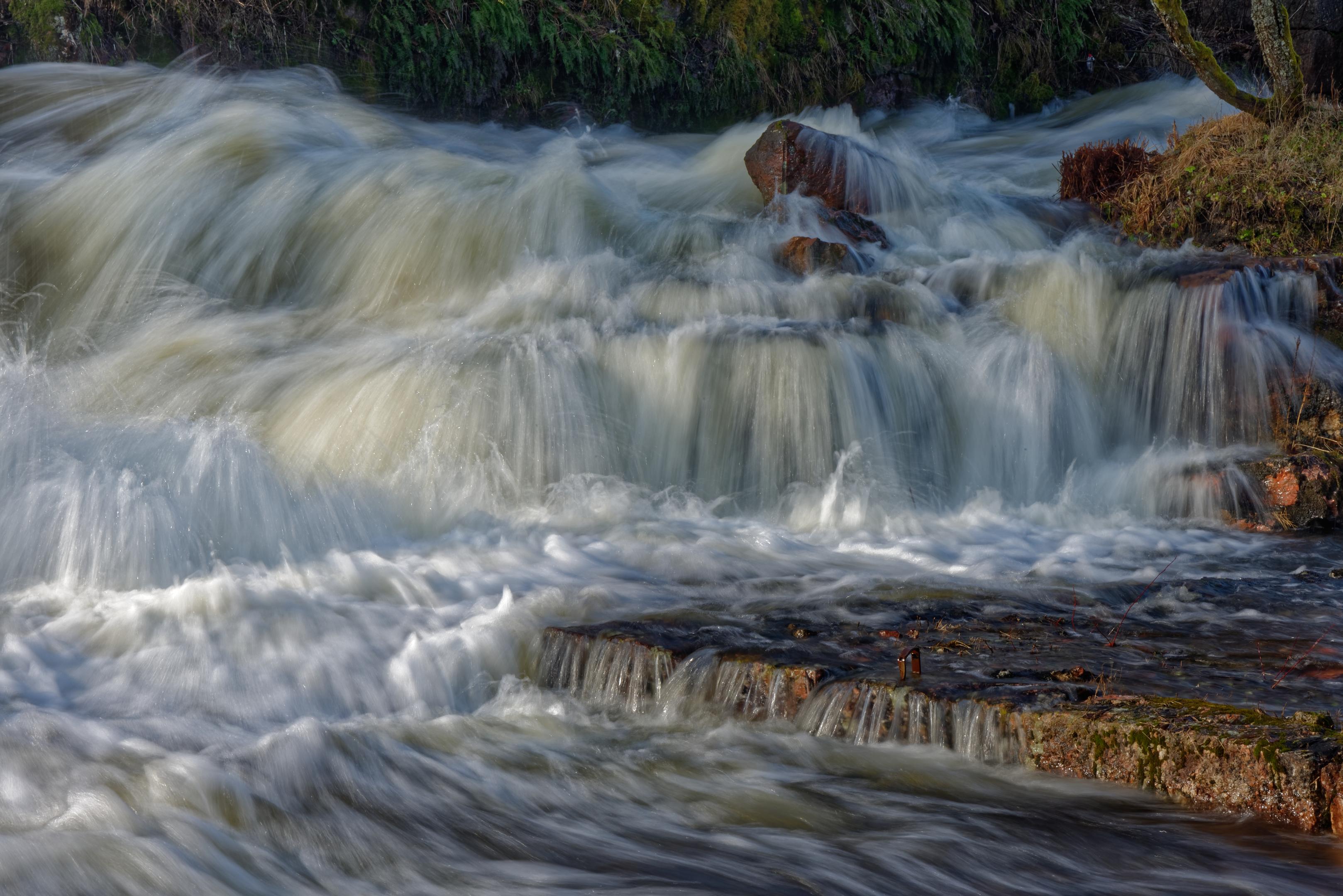
https://commons.wikimedia.org/wiki/File:The_river_of_Borgvik.jpg

Description:

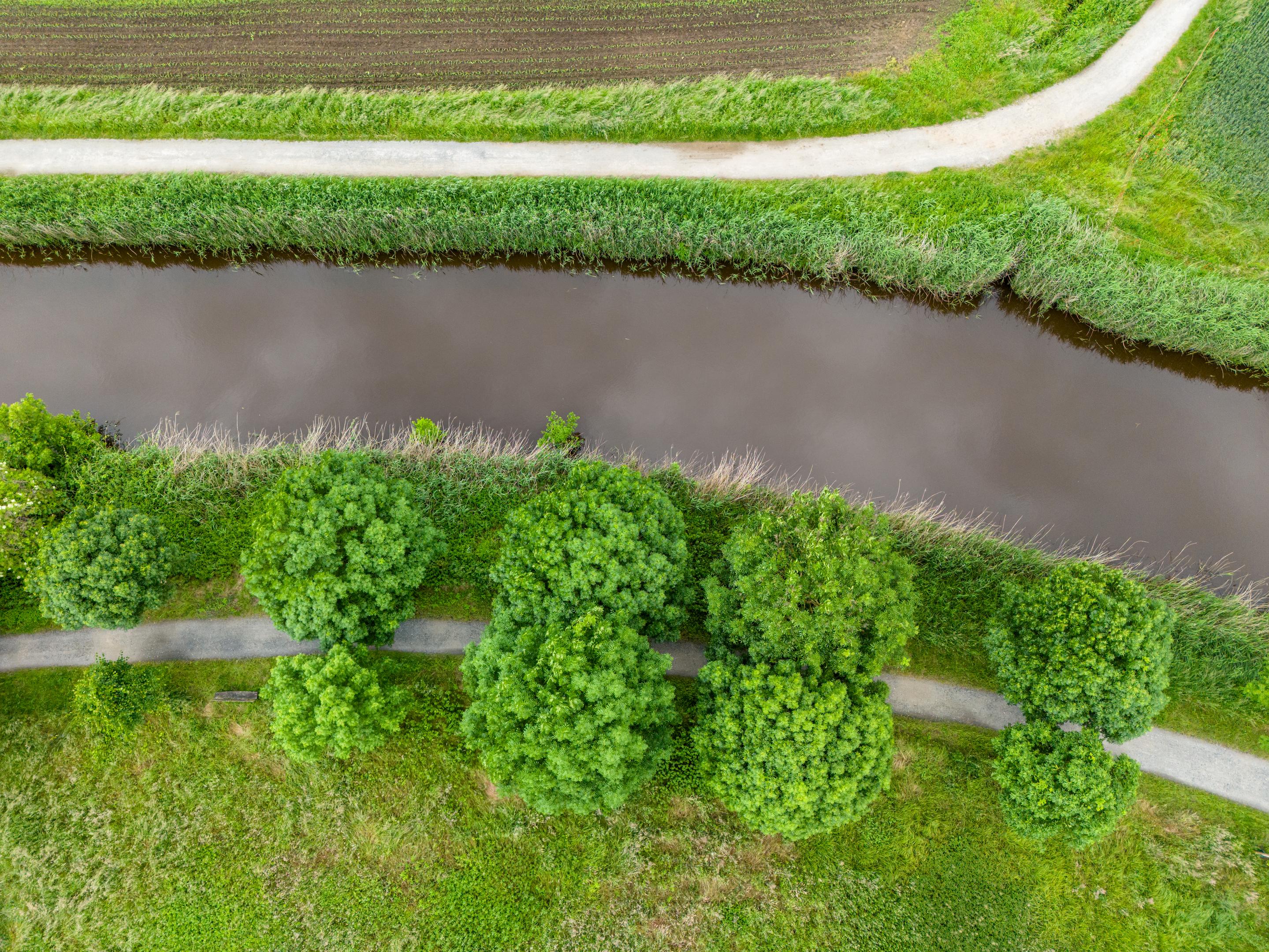
Early spring at Borgvik, Grums Municipality, Värmland, Sweden. The rapids of Borgviksälven running through the old iron works in Borgvik.
5
6
7


Engineer Salomon August André believed he had the answer to exploring the arctic back in the 1890.

Balloons!

Yes, he came up with a concept of using a hydrogen filled balloon, and draglines to explore the arctic.

He managed to convince several financiers of his idea, among which was Alfred Nobel (yes that Alfred Nobel) and the king of Sweden at the time.

He designed and had a balloon constructed, the Eagle, and designed a system of drag lines to try and implement some kind of steering.

In 1896 the first attempt was made, it is from that attempt this photo is from, it show the hydrogen gas generator apparatus used to fill the balloon.

This attempt was aborted when the balloon was found to be leaking too much hydrogen through the approximately 8 million holes in the stitching of the balloon, while waiting for suitable winds

The balloon lost about 68kg of buoyancy per day.

So they gave up that attempt.

But next year, in 1897, André made a new attempt!

One of the earlier members had left and been replaced, and this year, the winds were far better.

On the 11th of July the proper wind finally arrived, and it was time!

The lines were cut and the balloon slooowly lifted from the ground and flew out over the sea.

The problems had already started...

Remember the draglines?

Yeah, they caused so much friction and weighed so much that they started dragging the balloon down into the surface of the sea.

They also started spinning, unscrewing them from their mountings, and soon the balloon had lost 530kg rope.

At the same time the expedition members released 210kg sand to compensate for the seawater that had entered as the basket hit the surface of the sea.

740kg were lost in the first few minutes of the expedition, this caused the balloon to shoot up 700m.

This was just the start of the expedition.

These guys never made it home alive.

8
9
10


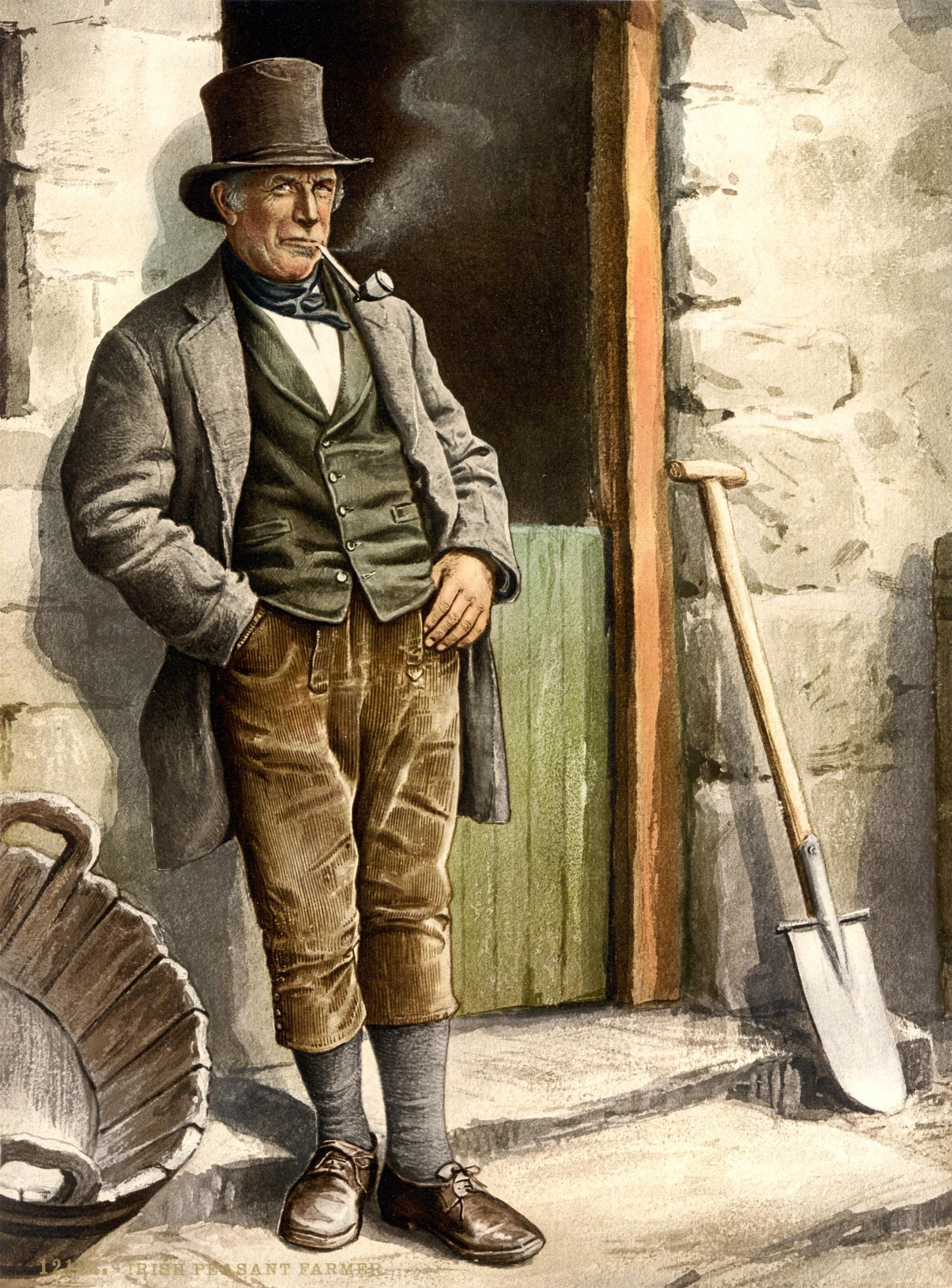
https://commons.wikimedia.org/wiki/File:Irish_peasant_farmer_smoking_pipe,_1890s.jpg

Description:

This photochrom print depicts a male Irish peasant farmer standing in doorway while smoking a pipe. Today is International Pipe Smoking Day.
11
12
13


https://commons.wikimedia.org/wiki/File:A_Hundred_Steeds.jpg

Description:

One Hundred Horses by Giuseppe Castiglione, painted in 1728. Collected by the National Palace Museum in Taipei, Taiwan. Today is Chinese New Year. In traditional Chinese culture, today marks the beginning of Horse Year.

14
15


If you're unfamiliar with it, it was created a a symbol of resistance against ICE during the invasion of Minneapolis by the federal government recently:

https://en.wikipedia.org/wiki/Operation_Metro_Surge

You can find it a lot around here nowadays, and I was wondering about the source of it. Turns out it's CC0 licensed, and the creator even set up a page where you can customize it:

https://minnesotarebelalliance.com/

Here's what seems to be the original source of it:

https://old.reddit.com/r/minnesota/comments/1qhjp16/minnesota_rebel_alliance_logo/

And here's other state birds in the same style:

https://old.reddit.com/r/andor/comments/1qv3gki/all_of_the_og_state_rebel_birds_made_by/

Thought it was neat that it was CC0 licensed from the start, so I'm posting it here. Do you know of any other common symbols like this that are freely licensed? As an example of the opposite, the OBEY thing is very restrictively licensed.

16


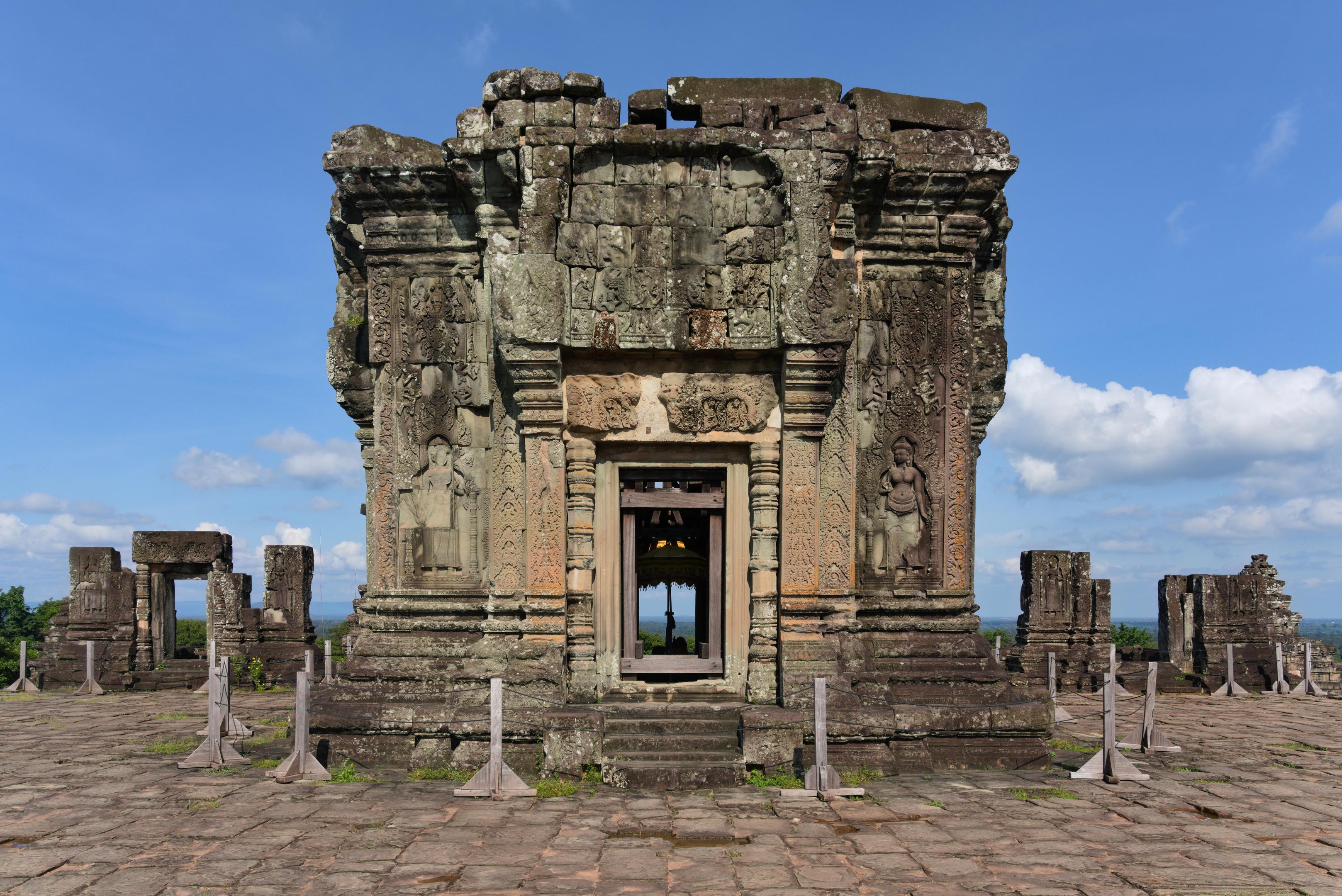
https://commons.wikimedia.org/wiki/File:Phnom_Bakheng_temple_at_Angkor,_Cambodia.jpg

Description:

Phnom Bakheng is a Hindu temple dedicated to Shiva in Siem Reap Province, Cambodia. It was built at the end of the 9th century, during the reign of King Yasovarman (889–910). Today is Mahashivaratri, a Hindu festival dedicated to the worship of Shiva.
17


These are Löjtnanterna Wilhelm and Eric Carlberg, the two best members on the Swedish team for group shooting in the Olympic Games of 1912 in Stockholm.

The photographer is unknown, but the license of the photo is CC-BY

18


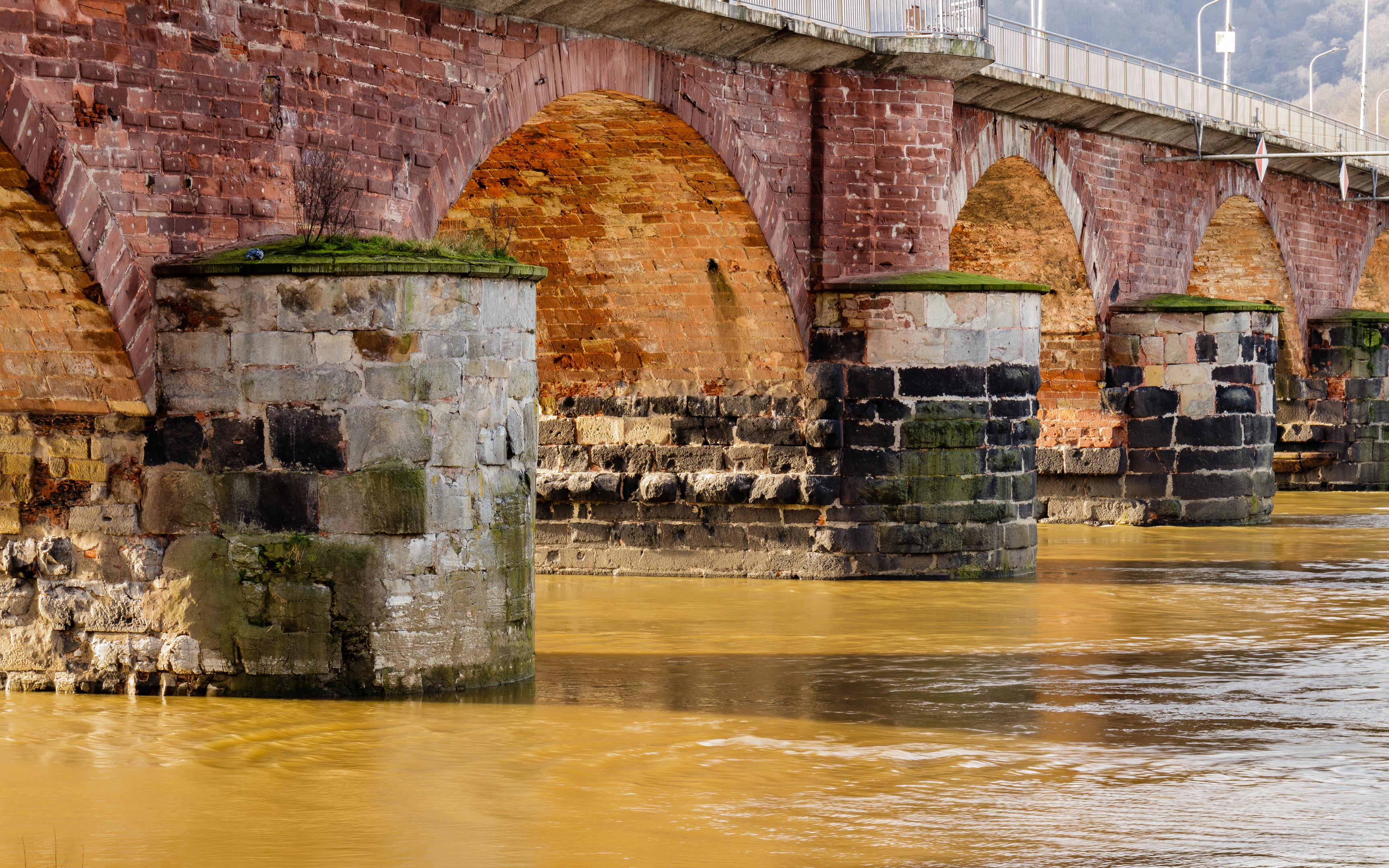
https://commons.wikimedia.org/wiki/File:Trier,_07-12-2023_(actm.)_24.jpg

Description:

Trier, the Römerbrücke over the Moselle. (Detail to the north side)
19


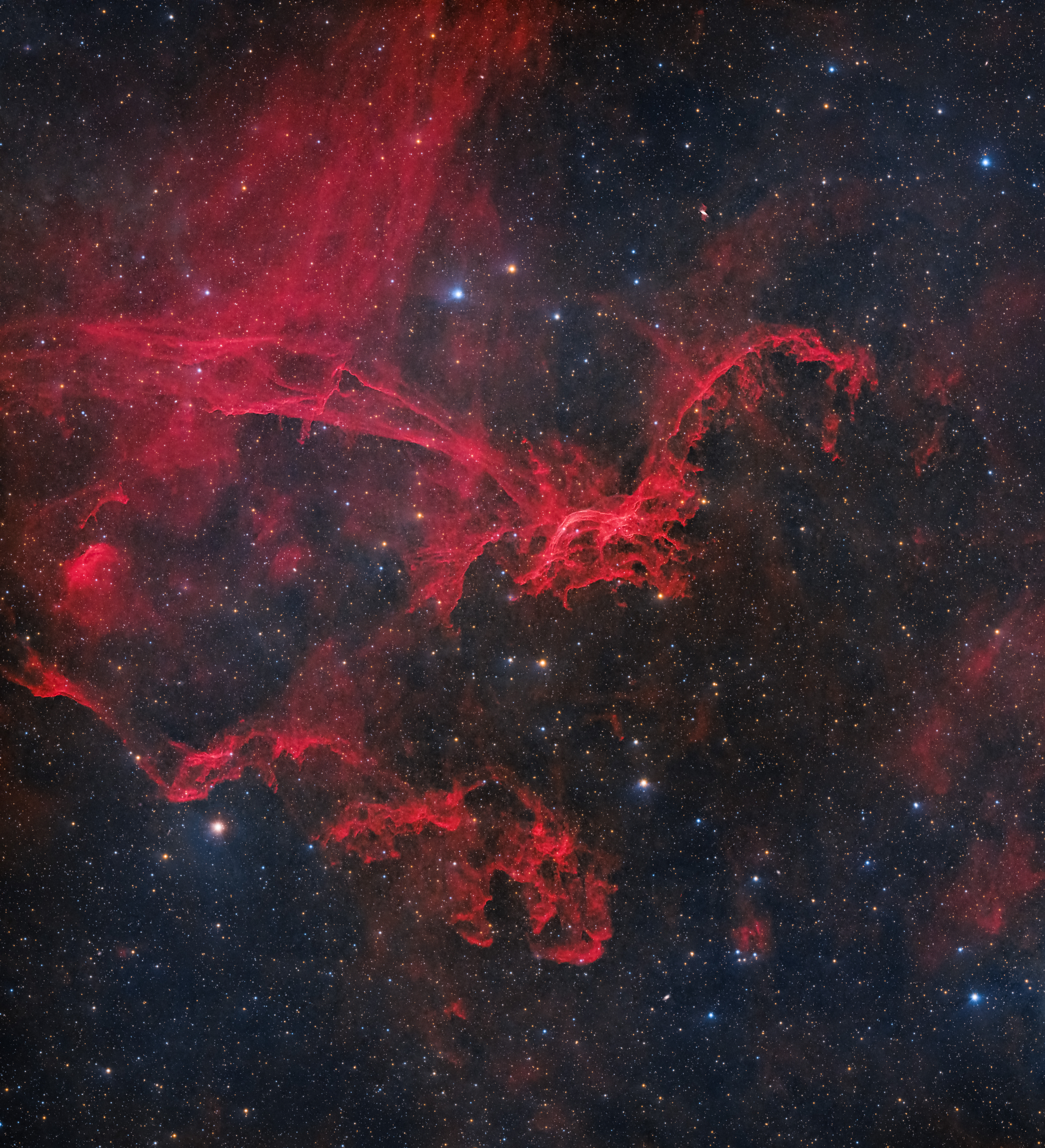
https://commons.wikimedia.org/wiki/File:Flying-Dragon-Nebula_Sh_2-113.png

Description:

Sh2-113 is a faint emission nebula located in the constellation of Cygnus. Known also as Flying Dragon Nebula. The amateur image shown here required a total exposure time of 17.5 hours.
20


I have been looking for something interesting to post from Digitalt Museum, and I wanted something darker from the history of Sweden to contrast the mostly positive posts I have posted in the past.

This is the only photo I could find of the Vipeholm facility, a facility built to care to the mentally unwell in Sweden.

In Swedish, this facility was called "sinnesslöanstalten", or "the facility for slow minded people".


Mental health care at the time was not good, one good example of how bad it could be was that when the facility at Vipeholm opened in the south of Sweden, it exclusively took in "patients" from the northern most regions of Sweden, to keep the patients as far apart from their families as possible. The facility also had trouble staying staffed, with one doctor in the 1960 commenting that he wasn't an animal keeper while comparing the facility to a Zoo.


Between 1945 and 1955 the facility at Vipeholm was used as the site for a human dental experiment.

Let that sink in for a minute, a facility for the care of patients with severe mental issues, far away from their support network, was used in a human dental experiment...

It gets bad....


In 1942 dental health was BAD in Sweden, 99.9% of all conscripted soldiers was afflicted by tooth decay. Back in 1938, the government had instituted "Folktandvården" a government run system of dentist clinics, but due to a strained budget, focus quickly turned on the mounting costs for providing dental care where the entire population was in some way afflicted by tooth decay.

This was at a time when we didn't know what caused tooth decay, so we didn't know how to prevent it.

So research was needed, there was already suspicions that sugar had something to do with it, but that was far from confirmed.

So, an experiment was called for, an experiment where two things were to be figured out.

  1. What causes tooth decay?
  2. How do we stop it?

It was quickly determined that this needed to be a human experiment, and for it to work, there would be a need to completely control the subject's intake of food, making sure that they ate specifically what they were supposed to, nothing more, nothing less.

The facility at Vipeholm fit the criteria very well, especially since at the time it was known as a place for the "hard to care for, uneducatable, slow minded people" .


The experiment started as WWII died down around us, at first there was a focus on vitamins to see if they could improve the health of the teeth, this improved the general health of the subjects, but had no real impact on their teeth.

There was an experiment with different types of bread, but that produced no real data.

Then the remit of the experiment changed, it had started as a way to prevent or reverse tooth decay, but now shifted 180 degrees, now the goal was to provoke tooth decay to find what was causing it.

At no point was consent ever gathered, neither from the patients, nor from their families. The government was also not informed until the experiment was completed


This new version of the experiment split the facility into separate groups, all still got the vitamins from earlier, and a baseline food intake of 1800kcal/day:

The control group only got that amount of food, but other groups got more things on top the baseline, 150g margarine, 300g sugar in their drink, fresh bread and stale (24h old) bread.

Then there was the final group, who on top of the baseline also recieved the following: 150-250g sugar in their drink, as well as plenty of specially made large, super sticky toffies, these were made to be as sticky as possible to stick to the teeth of the subjects. The taste was changed to keep the subjects interested in eating the toffies.

This caused, as you would imagine a lot of dammage to the teeth, with decay going all the way into the center of some teeth.

Dentists were brought in to repair the dammage, but only after the conclusion of the experiment.


The experiment has been cited as having helped improve dental care both in and outside Sweden.

During the experiment tooth decay could be mapped throughout, and the results changed how Folktandvården worked, it went from fixing to preventing.

It also showed that a single large consumption of sugar once a week was less bad than a low but steady consumption of sugar all week.


The ethical side of the experiment was never considered an issue at the time, with some people arguing that the subjects should have been happy as they were able to contribute back to society that had spent a lot of money caring for them, nevermind that it is doubtful that the subjects would even understand the concept.

While the subjects themselves were not capable of telling their own story, it is clear to anyone having experienced tooth decay that they must have been in a lot of pain, there have been several studies on both the dental health recorded and the ethics involved in this experiment.

There is plenty more to read if you google Vipeholm.

The photograph was taken in 1954, while the experiment was still going, the photographer was Hans Malmberg, the photo is licensed under CC-BY-NC-ND.

21


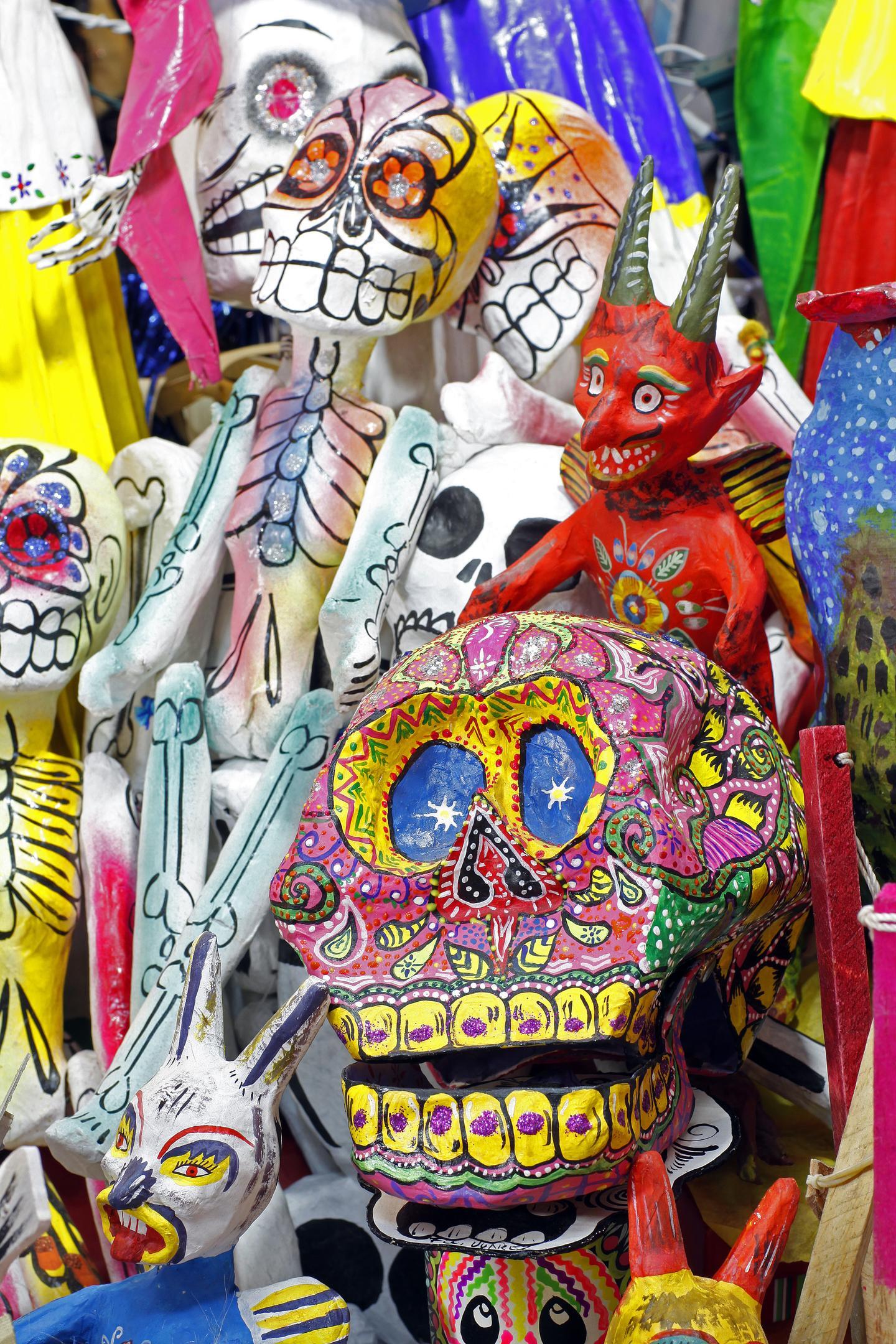
https://commons.wikimedia.org/wiki/File:Mexican_curious_01.jpg

Description:

Paper maché figures in Guanajuato Market, Mexico. Intricate color patterns and color combinations are characteristic of Mexican folk art, that often dwells in the magical, death, and fantastic.
22
23


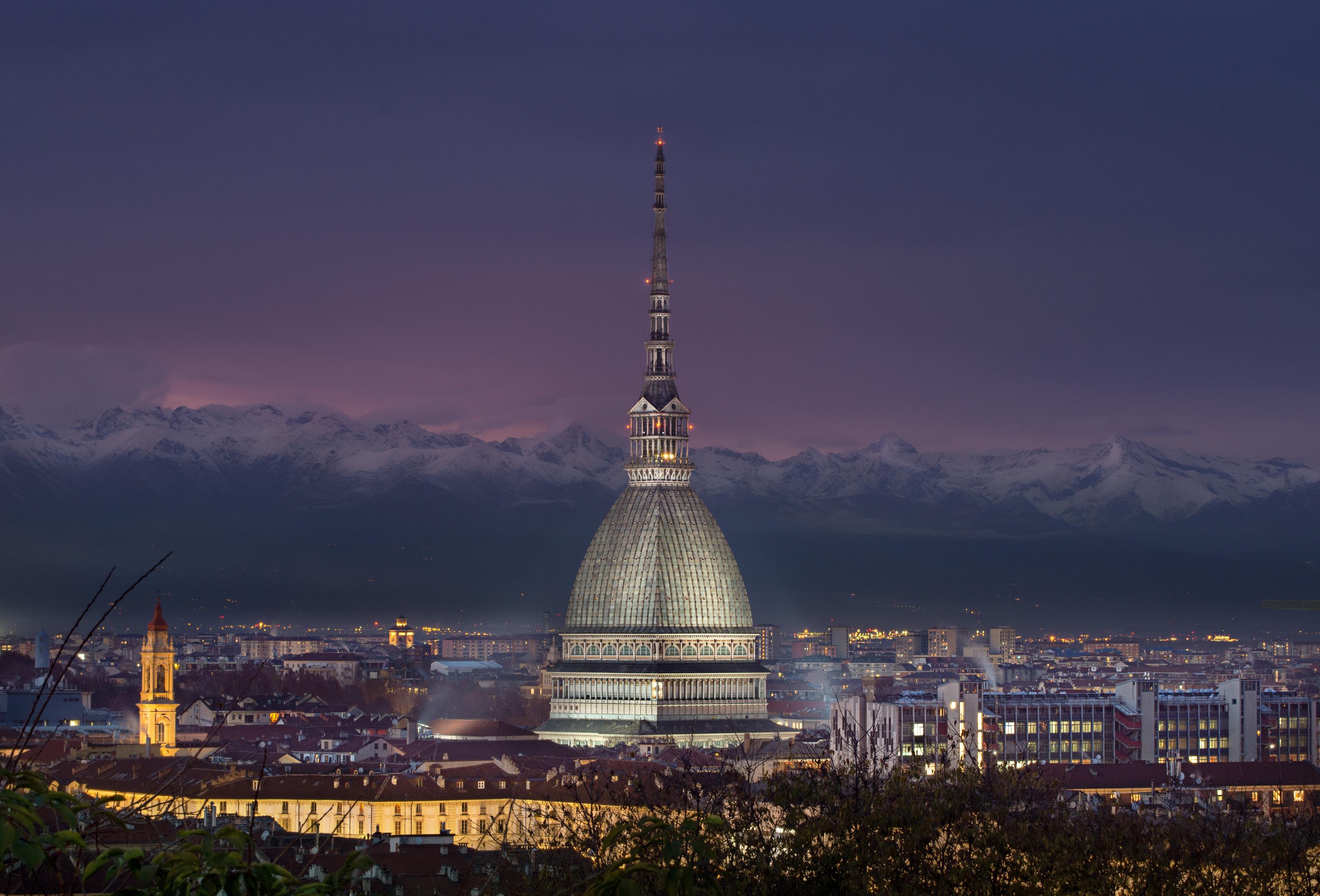
https://commons.wikimedia.org/wiki/File:Mole_Antonelliana_di_sera.jpg

Description:

Mole Antonelliana (Turin, Piedmont, Italy) by night with Alps in the background
24


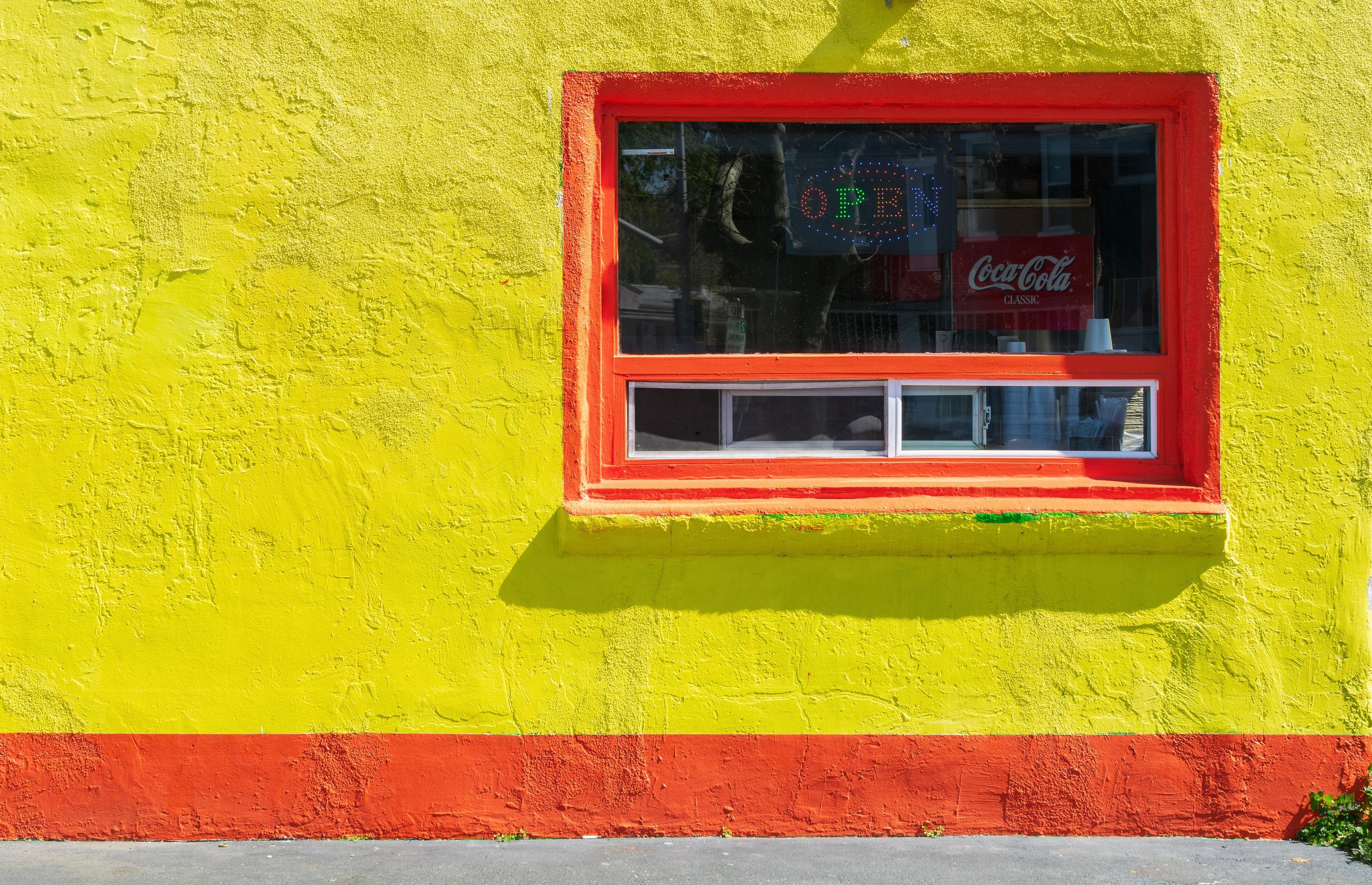
https://commons.wikimedia.org/wiki/File:Restaurant_Amigos_de_Acapulco_(window),_Chico.jpg

Description:

Window of the Mexican restaurant Amigos de Acapulco, Oroville Avenue, Chico, California
25
view more: next ›