Plants

522 readers
1 users here now

founded 4 years ago
MODERATORS
1


Lysimachia maritima, the sea milkwort, is a flowering plant in the family Primulaceae. It has a circumpolar distribution across the Northern Hemisphere and is native to Europe, Central Asia and North America. The species grows mainly in coastal habitats in Europe, but can also occur inland in mesic habitats in Asia and North America, up to elevations of 2,600 m (8,500 ft). Formerly classified as the sole species in the genus Glaux, it is distinguished from other members of Primulaceae by its lack of petals; its flowers instead have a pink or white petaloid calyx. The fleshy leaves are arranged in opposite pairs. This focus-stacked photograph shows a L. maritima plant flowering on a beach on the island of Norderney, part of the Lower Saxon Wadden Sea National Park in Germany.

Photographer: Stephan Sprinz

CC BY 4.0

2
 
 
3
 
 
4
 
 
5
 
 
6
 
 
7
 
 
8
 
 
9


There were a lot of them in the more watery areas:

10
 
 
11


cross-posted from: https://fedia.io/m/nature@lemmy.world/t/2338202

Why beetles? You'll need to read to beelieve it.

archived (Wayback Machine)

Many of the Annonaceae fruits (order Magnoliales) still rely exclusively on beetles for pollination. Many of these beetle species' populations have declined, or they were never abundant to begin with, so hand-pollinate for higher yield!

12
 
 
13
 
 
14


Love the light there in the evening.

15
16
8
submitted 1 year ago* (last edited 1 year ago) by wolfyvegan@slrpnk.net to c/plants@mander.xyz


archived (Wayback Machine)

17


cross-posted from: https://lemmy.blahaj.zone/post/24579268

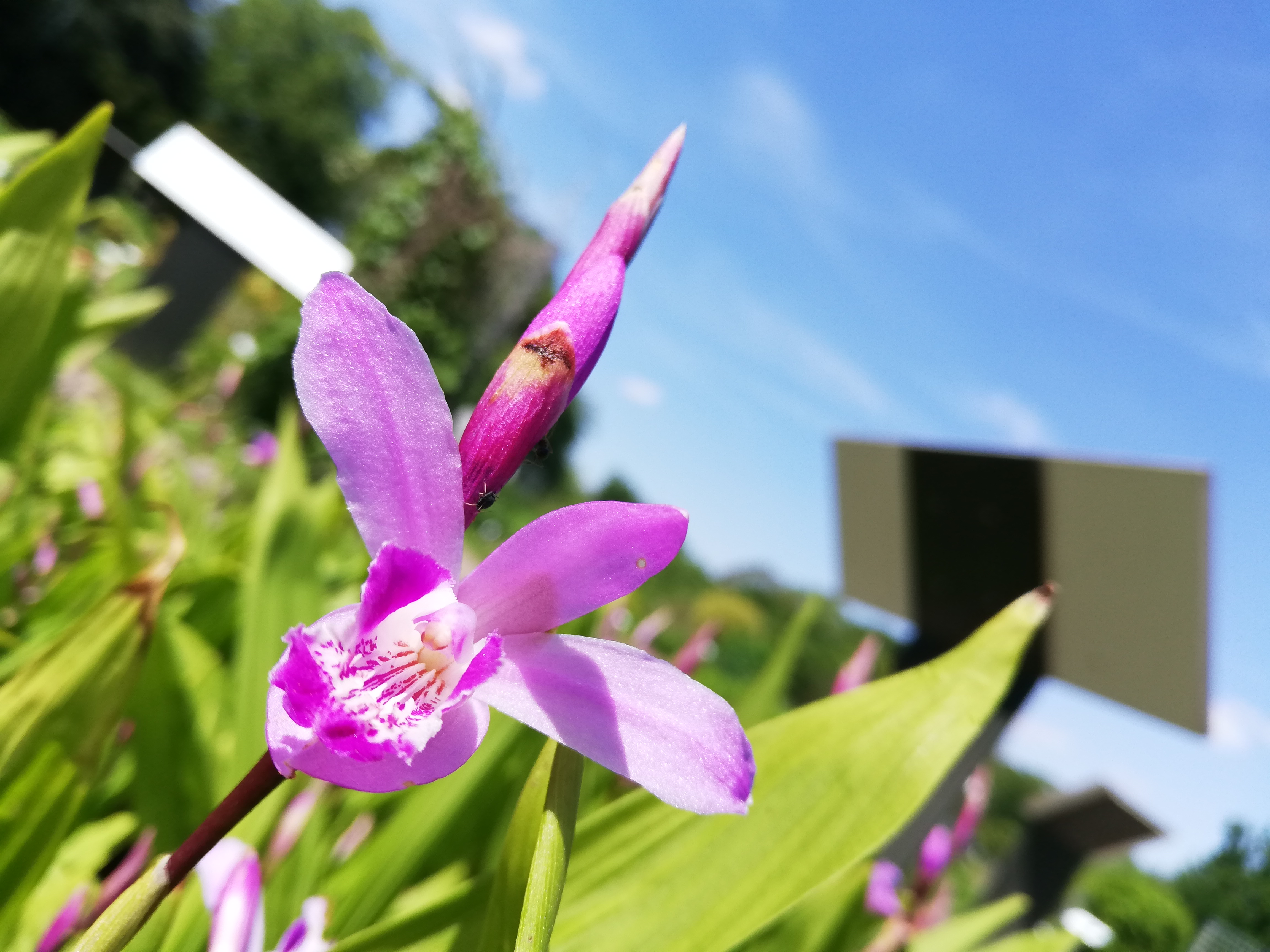
Southern Finland. I've found these and some more bluish ones. They are fairly small (the flower itself is about 4-6cm) and have these long, pretty thick leaves. It isn't visible in the photos, but the petals have this glittery look on them. Here's one of the blue ones, in a vase: I've mostly seen them near yards or gardens, so I think they aren't native.

18


cross-posted from: https://slrpnk.net/post/20552909

The fruit is edible, but there's not much food on it, so probably not worth planting outside of its native range.

19


cross-posted from: https://slrpnk.net/post/20514746

photos by Lumicon

This plant should not be thriving in this environment. It is growing on compacted oxisol in an area that gets over 4 metres of rain. Yet here it is, growing completely out of control. Nothing makes sense. Climate change?

20


I have to admire the survival skills of this Prickly Pear. How did it get there. How is it still alive ?

21
 
 
22
 
 
23
16
Papaver [OC] (mander.xyz)
submitted 2 years ago* (last edited 2 years ago) by kunegis@mander.xyz to c/plants@mander.xyz
 
 
24


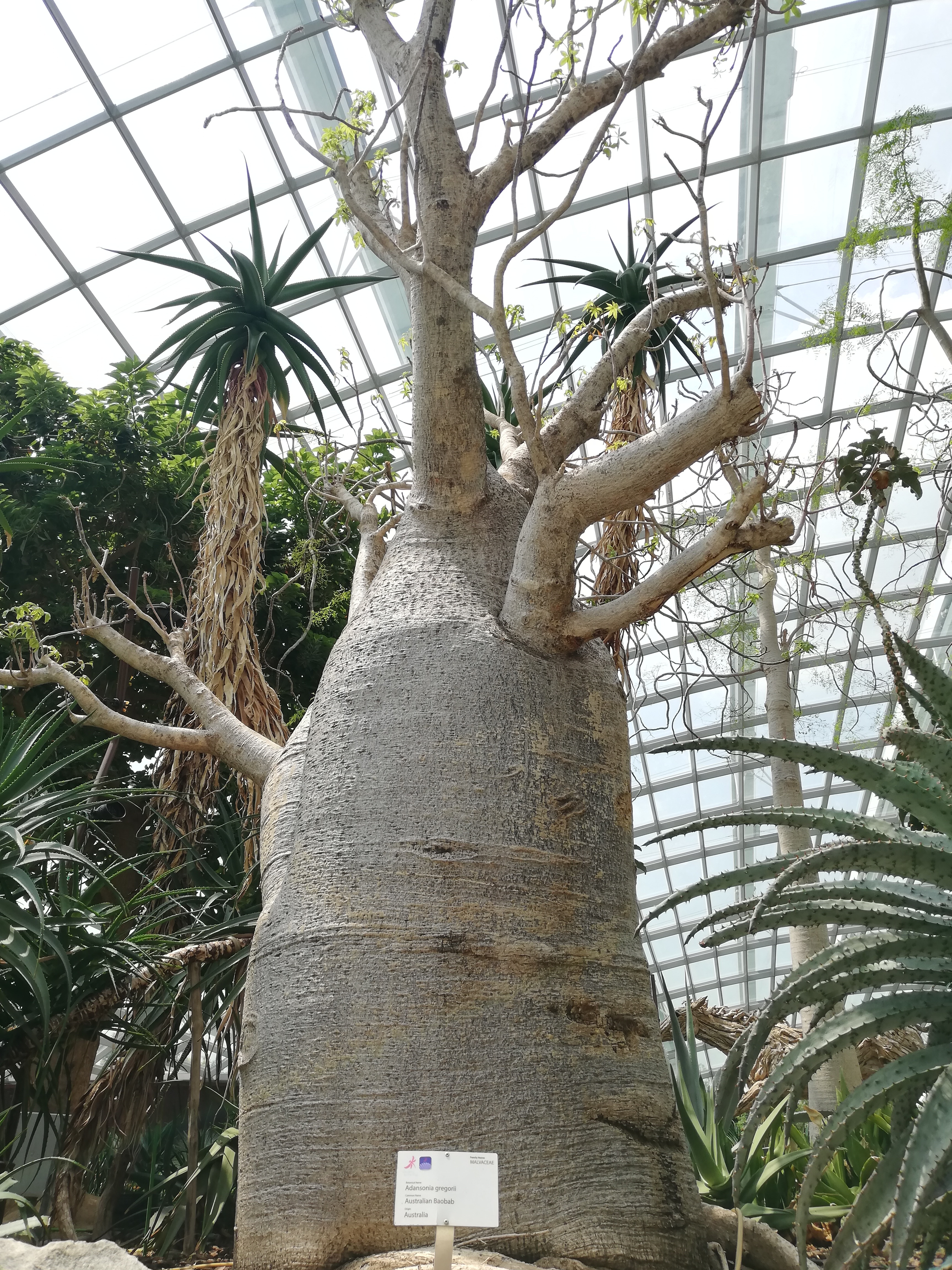
From the Hong Kong Zoological and Botanical Gardens

25


Hong Kong Zoological and Botanical Gardens

view more: next ›