Man, what an amazing day which will be long–if not impossible–to forget.
In the late 90s, I observed my first partial eclipse from South Florida. Then and there I decided I needed to see a total solar eclipse. Nearly 30 years later, I made good on that little personal promise. The moment I realized I would be in position to get along the path of totality, I made plans with my spouse to do so. We saved the date and planed the logistics.
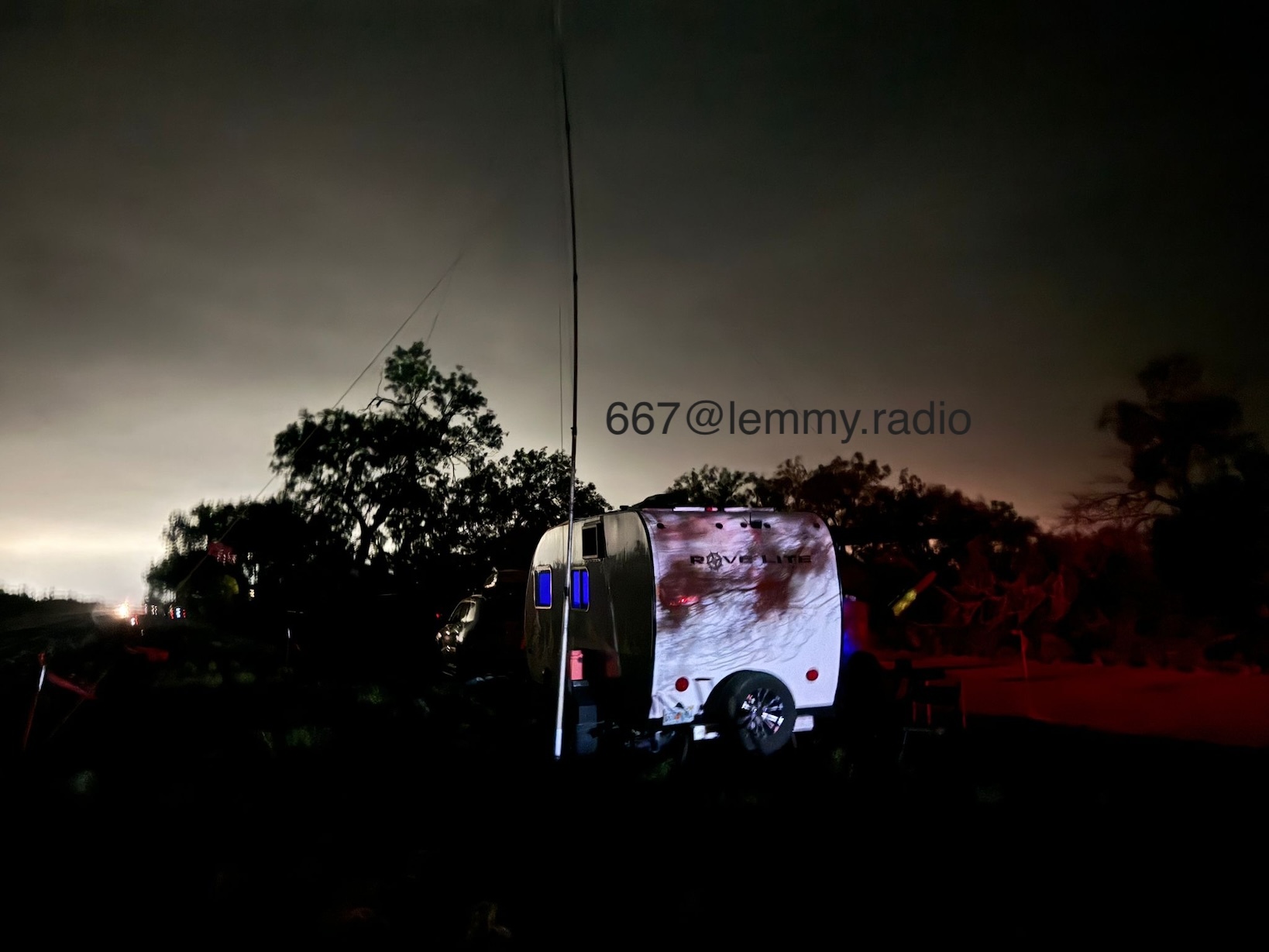
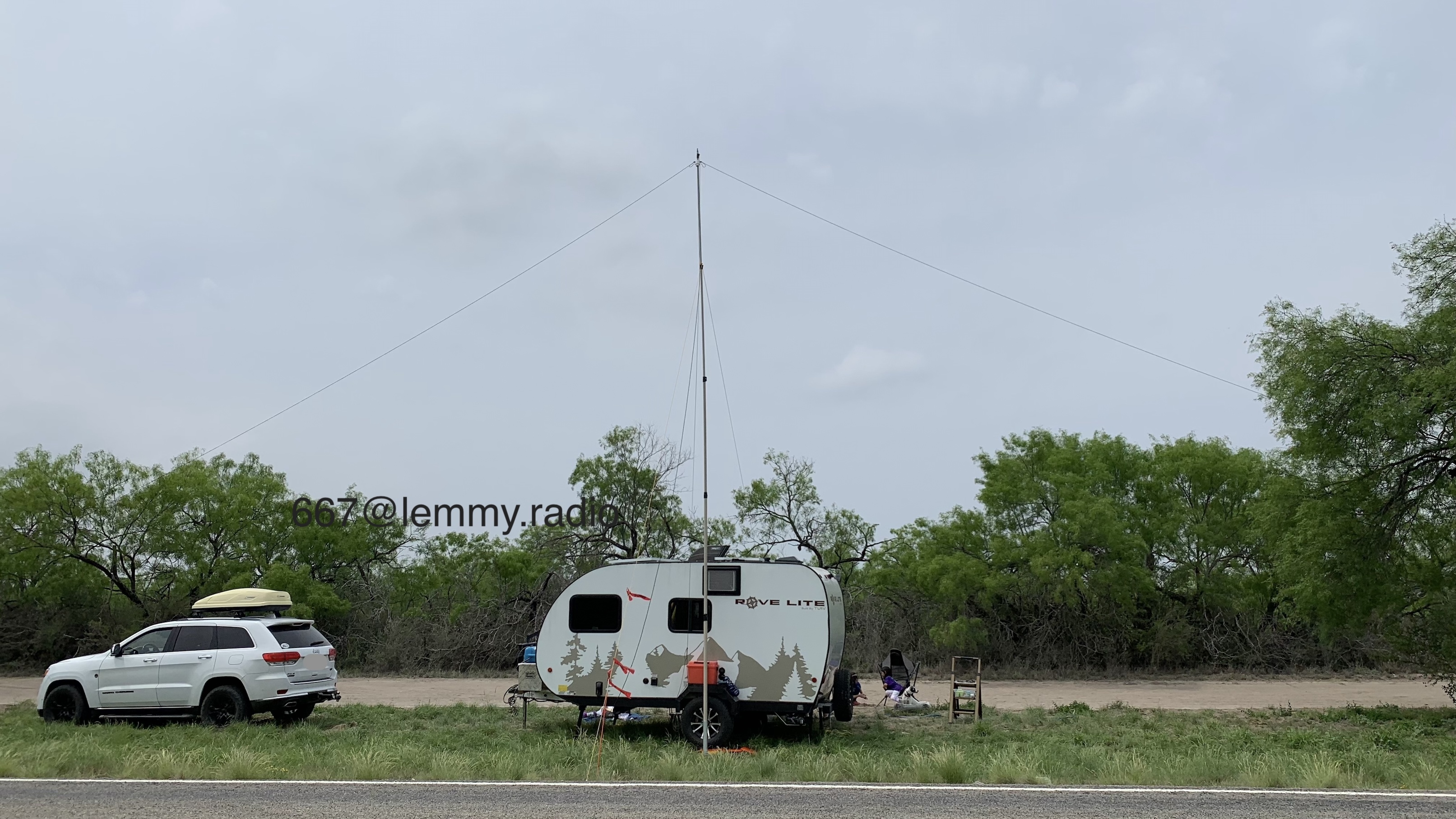
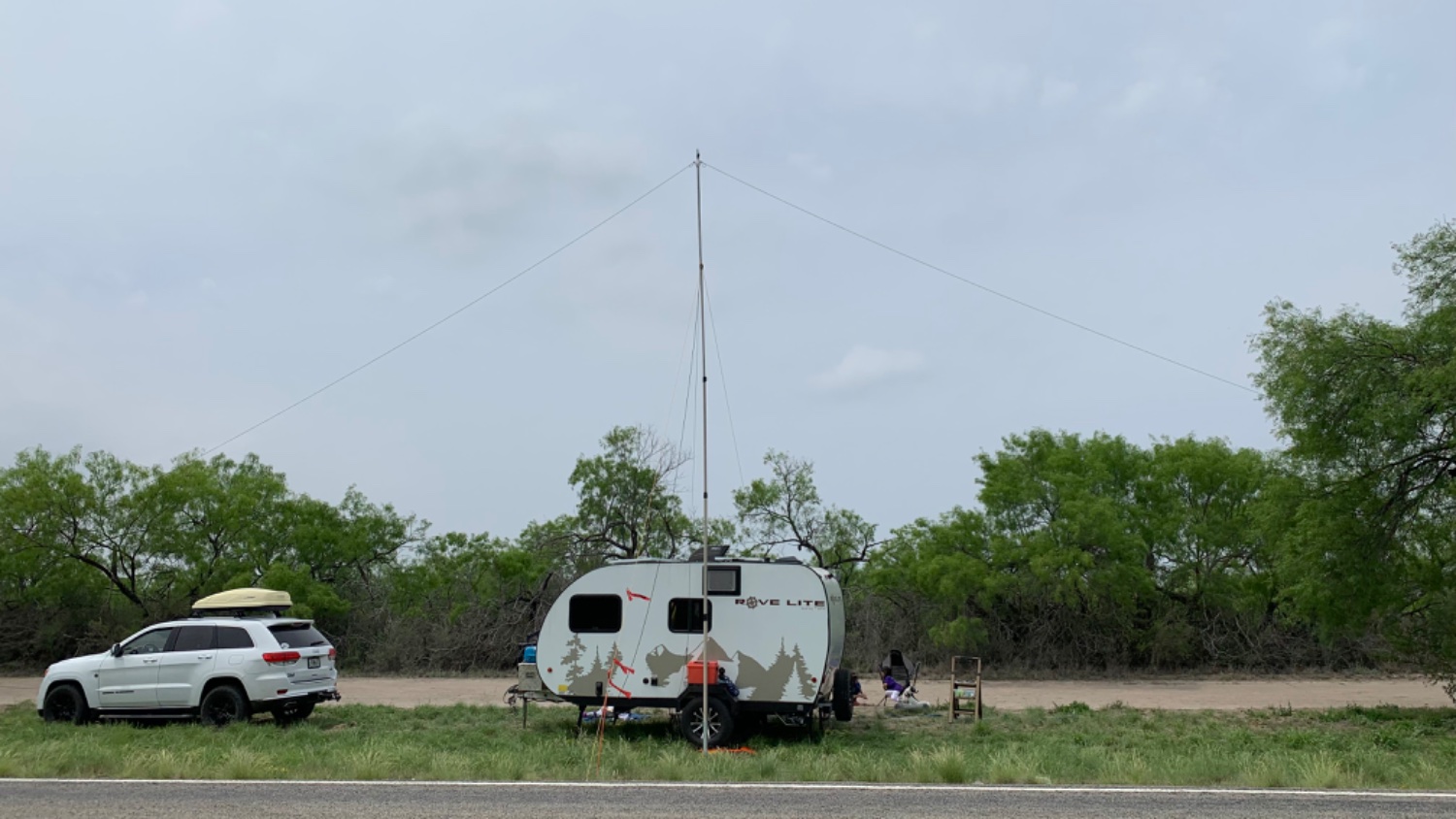
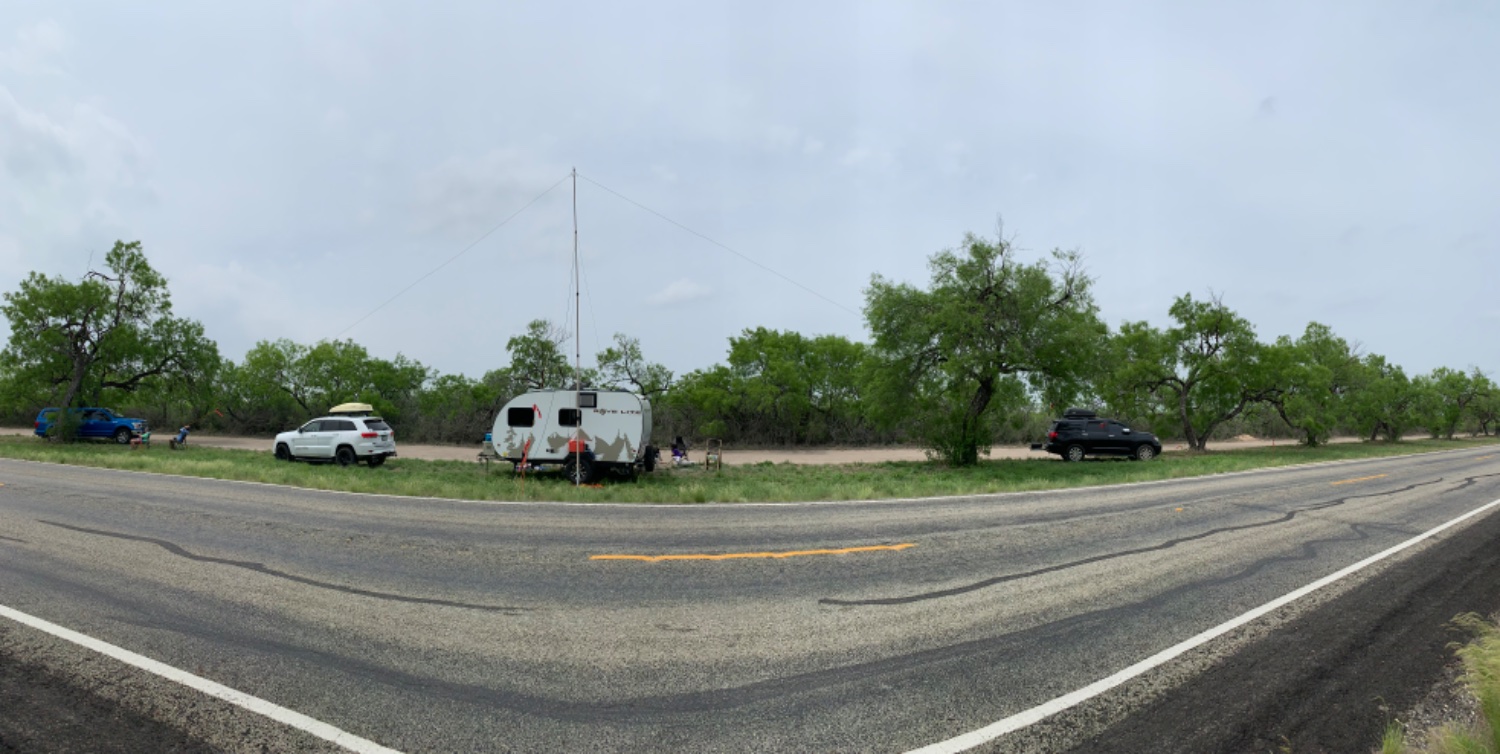
I, of course, ensured my radio was packed and fully functional; charged the battery the night before. We left Del Rio, the closest place we could find reasonable accommodations, at 0400L. By 0700L we had hoisted and strung the OCF dipole and we were ready to go in DL98rv, just under the central path of the eclipse on the side of Hwy 131 in Texas just beyond the US-Mexican border.
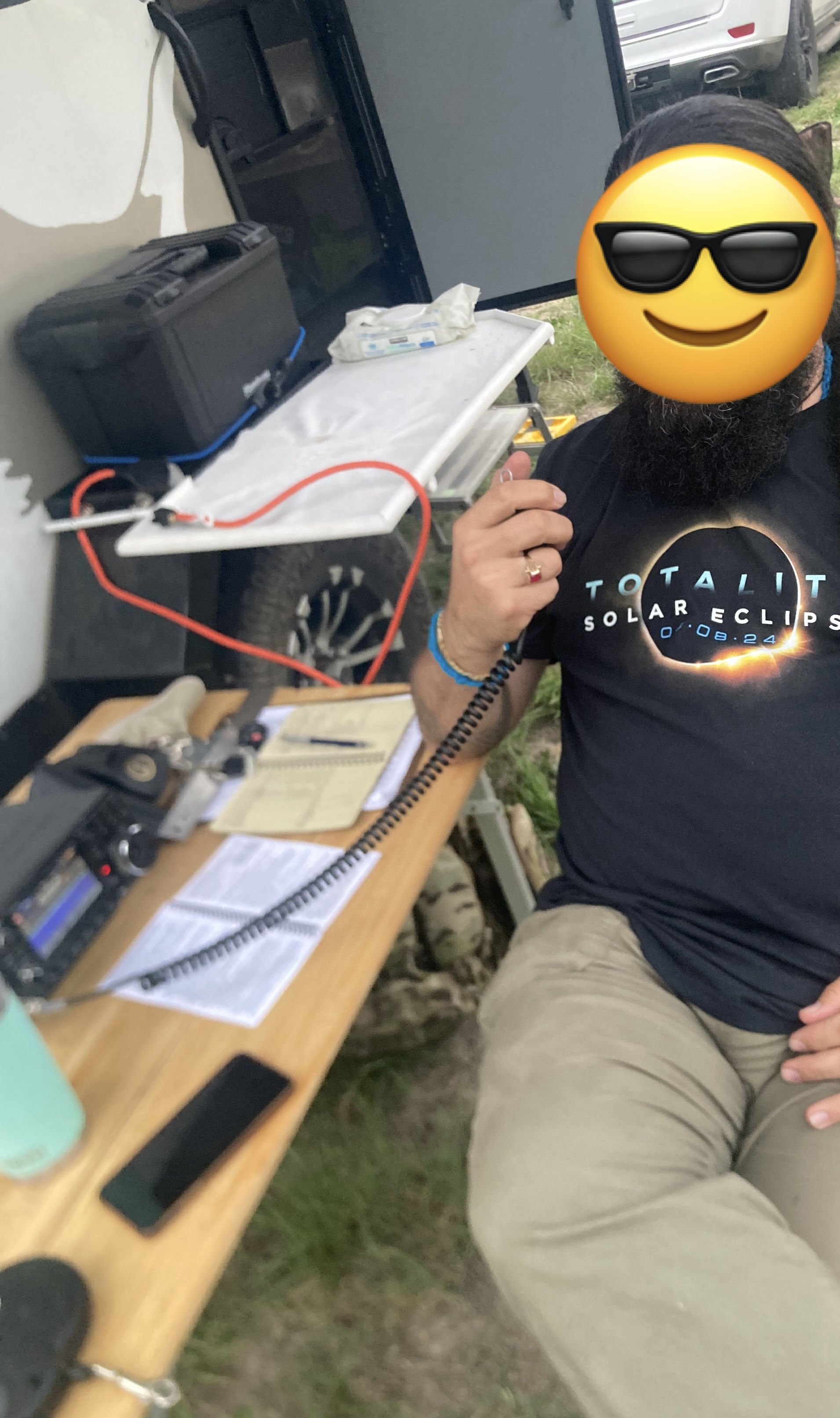
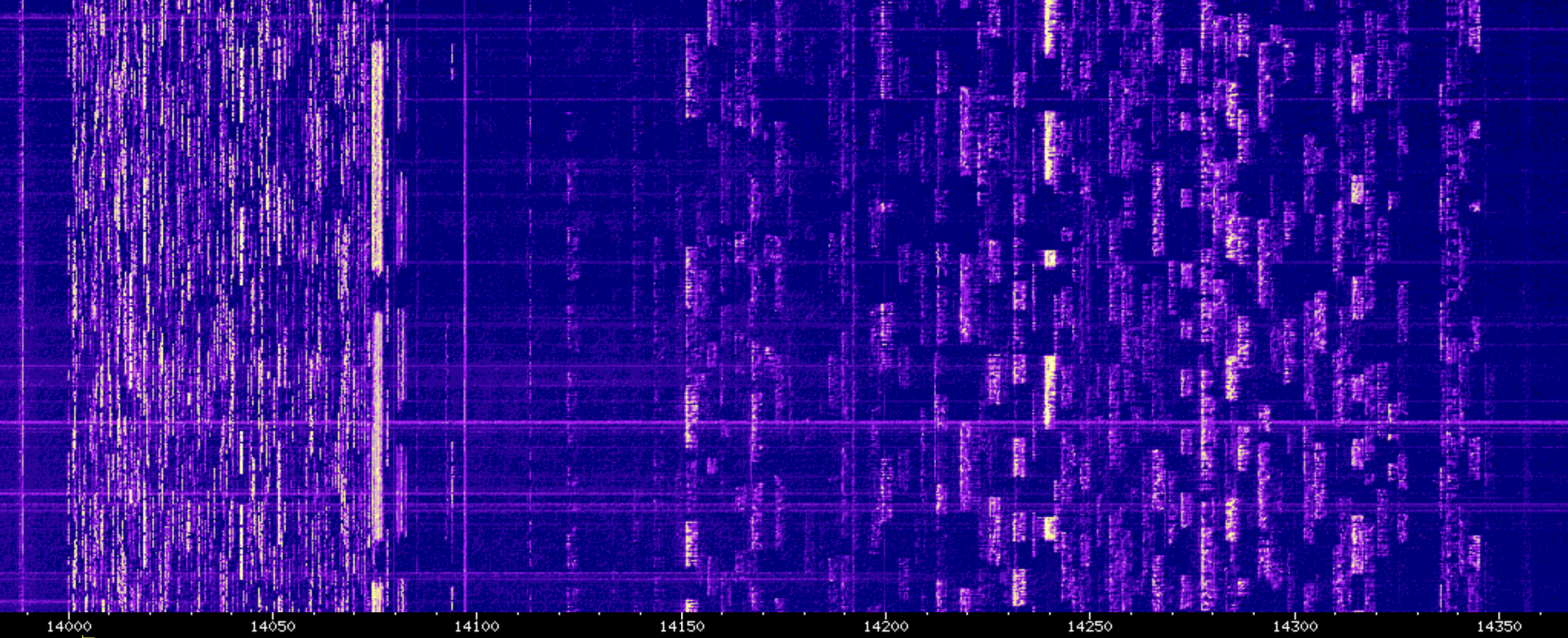
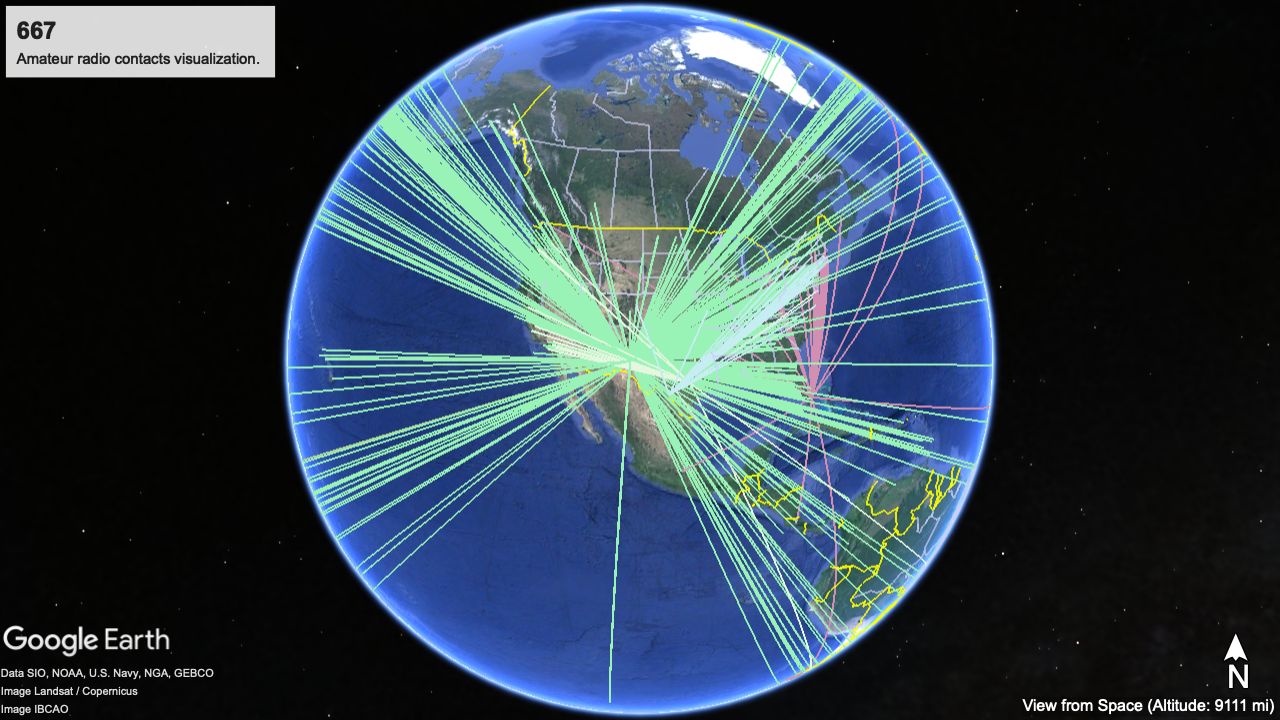
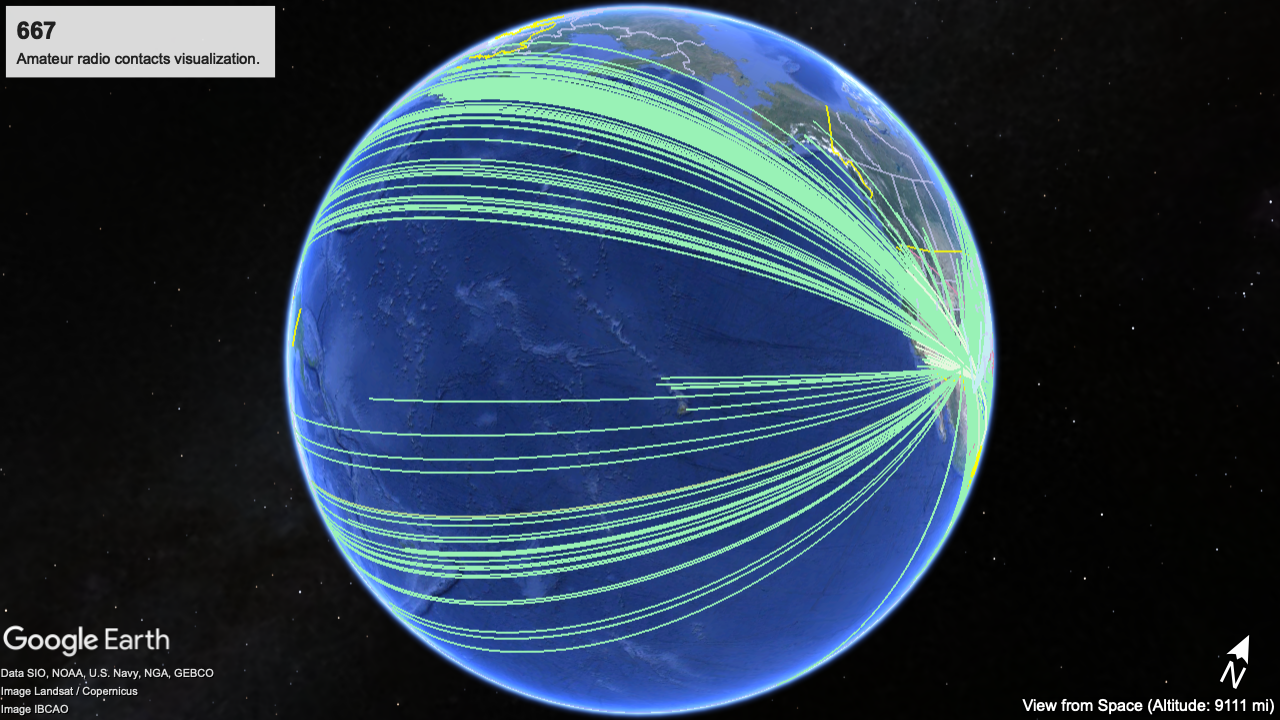
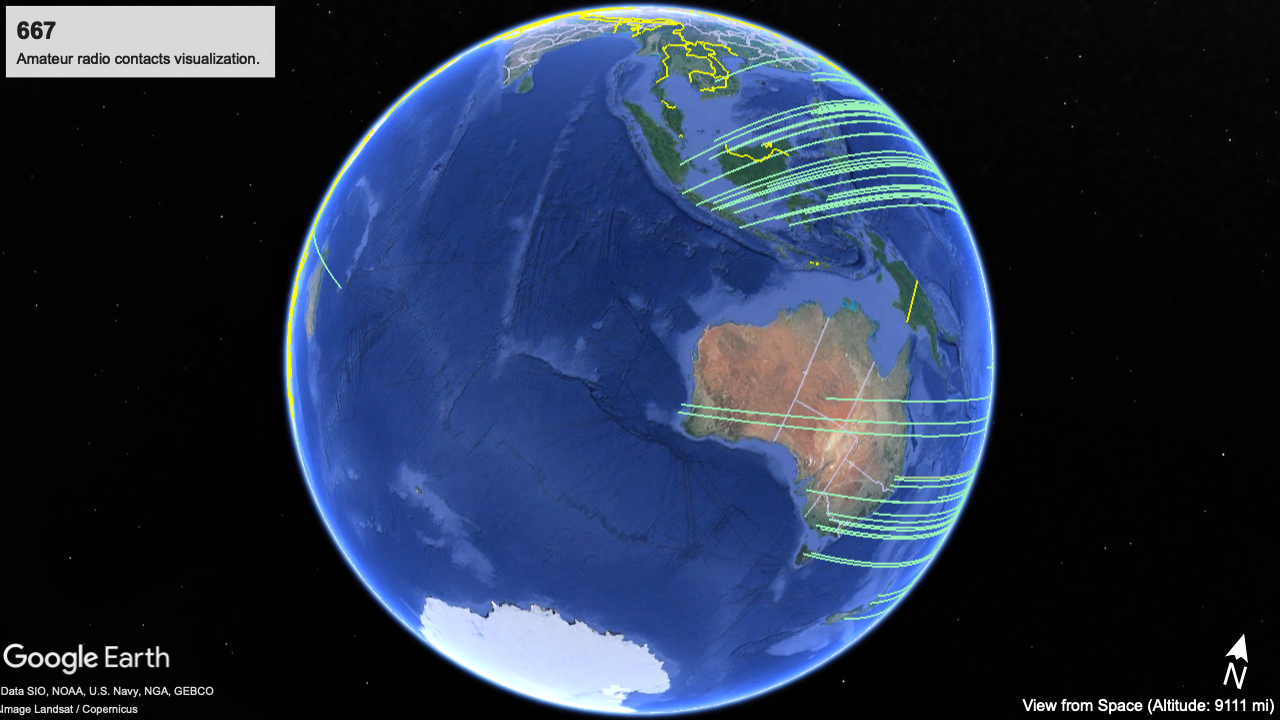
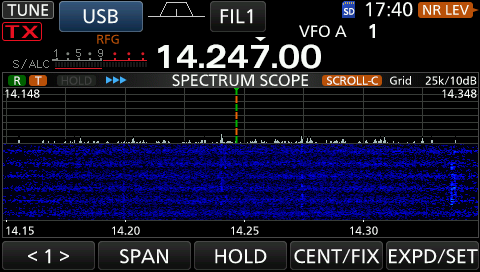
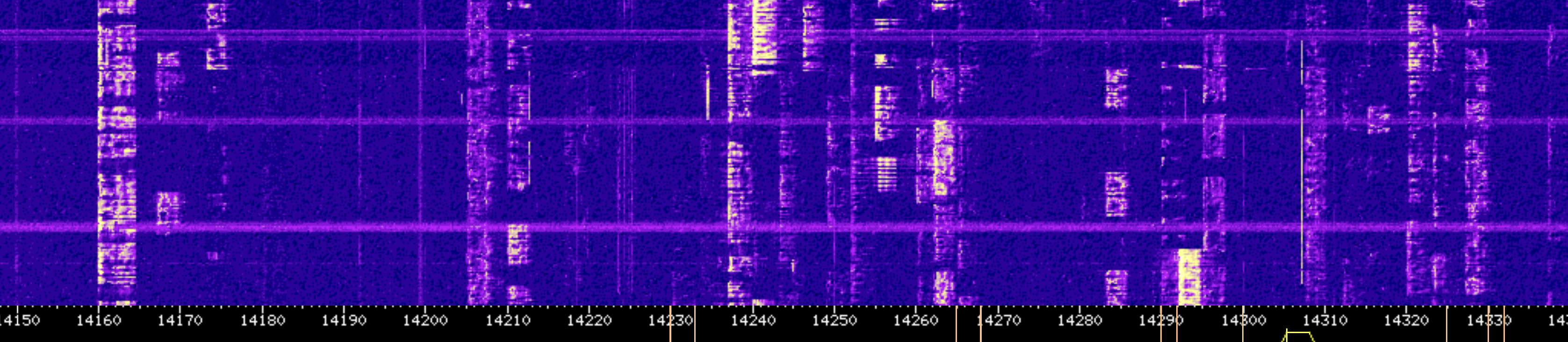
The Tech section of 10m was silent that early, but I kept calling CQ until I started getting QSOs, pretty much went ten in a row in nearly the same number of minutes once the band came alive.
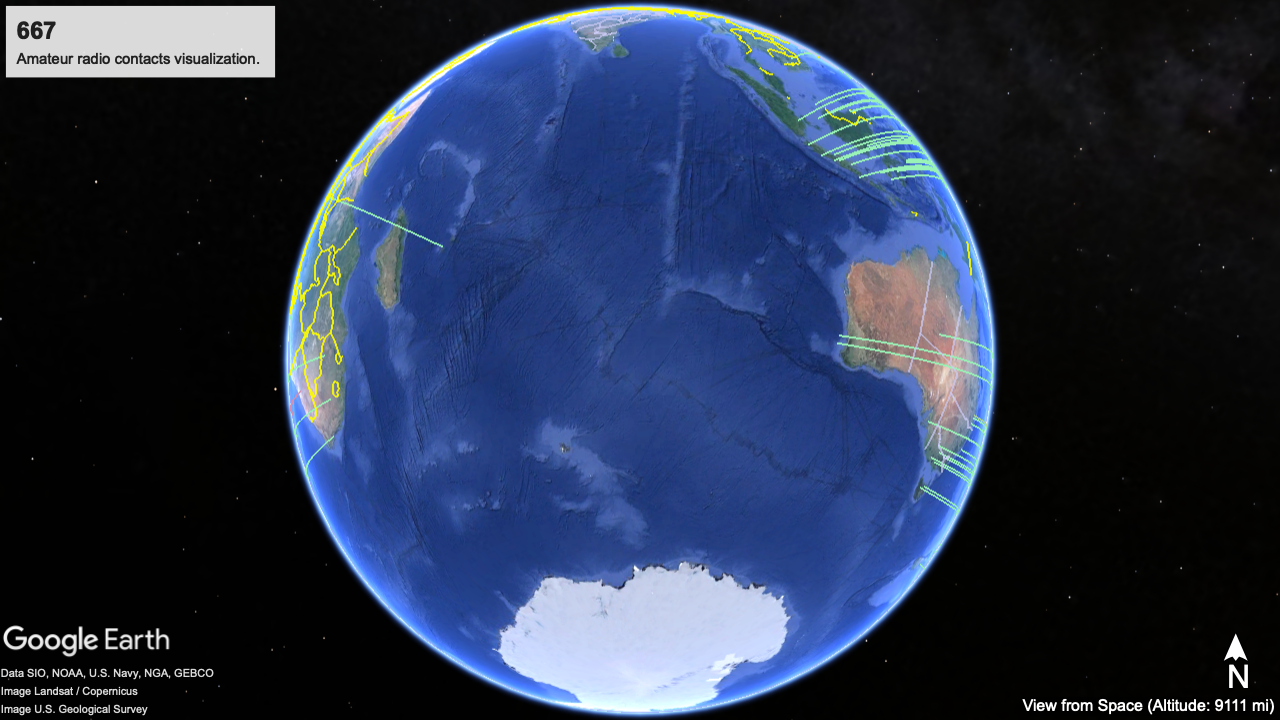
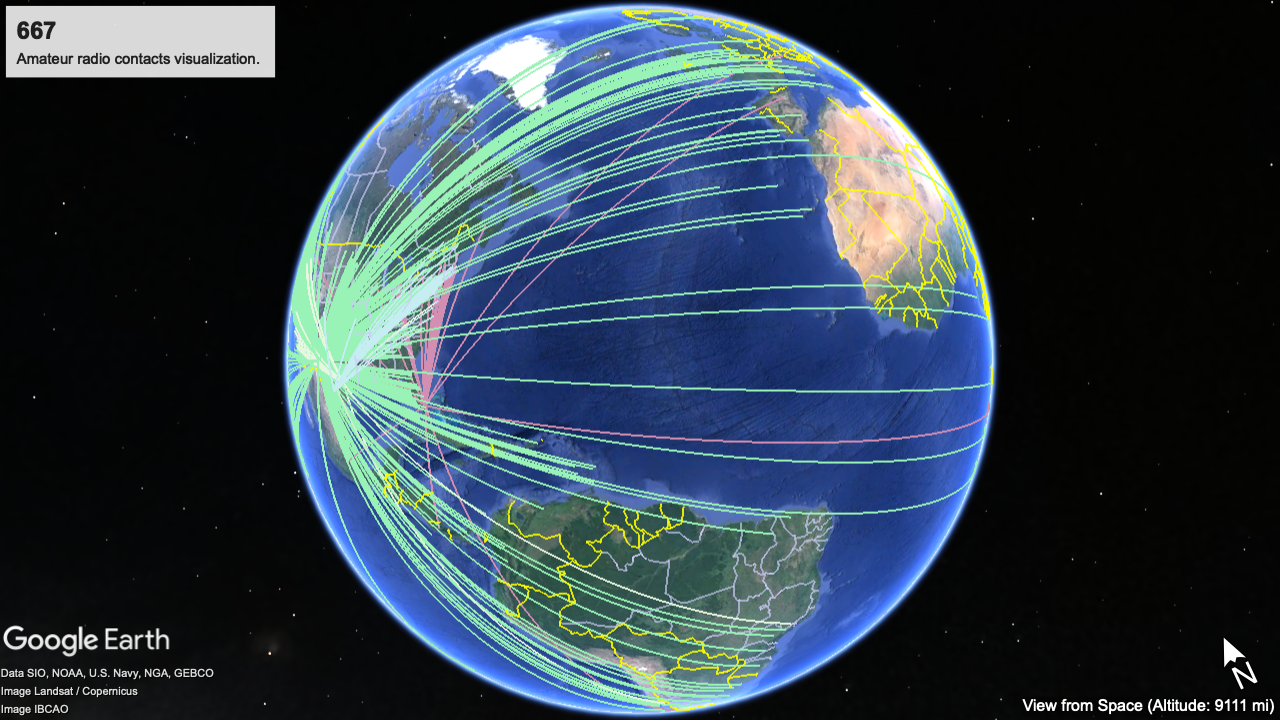
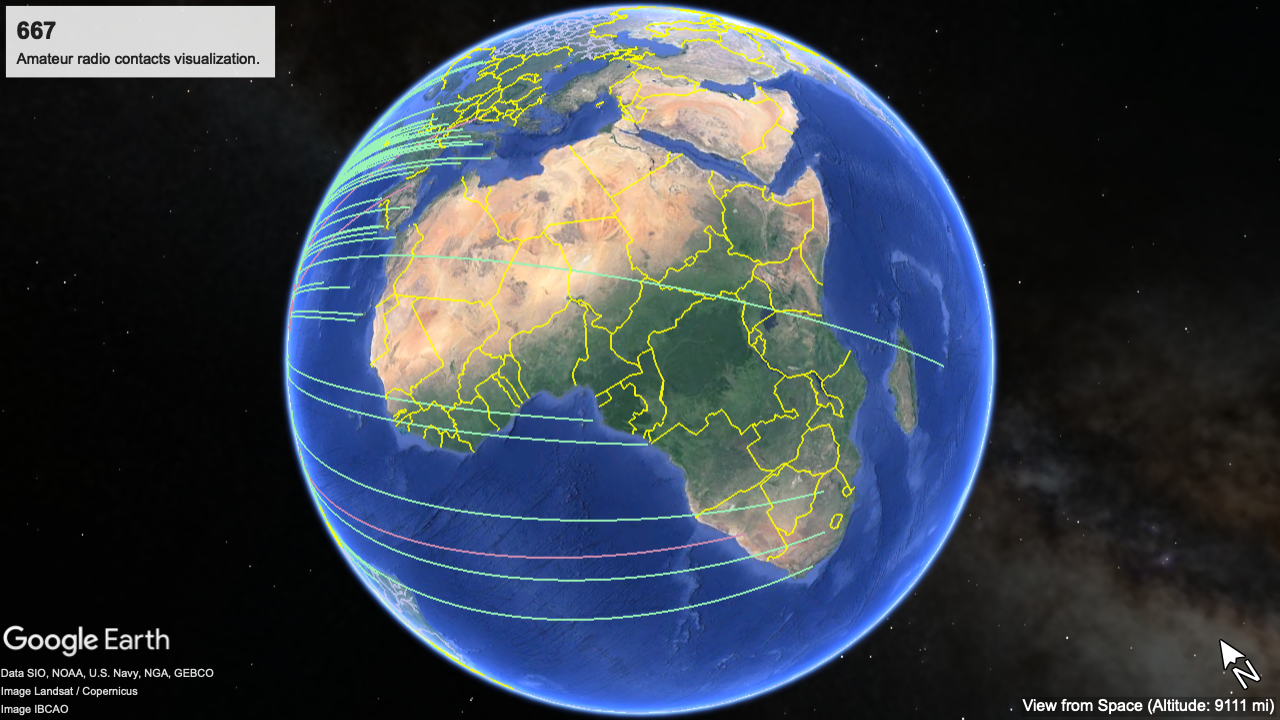
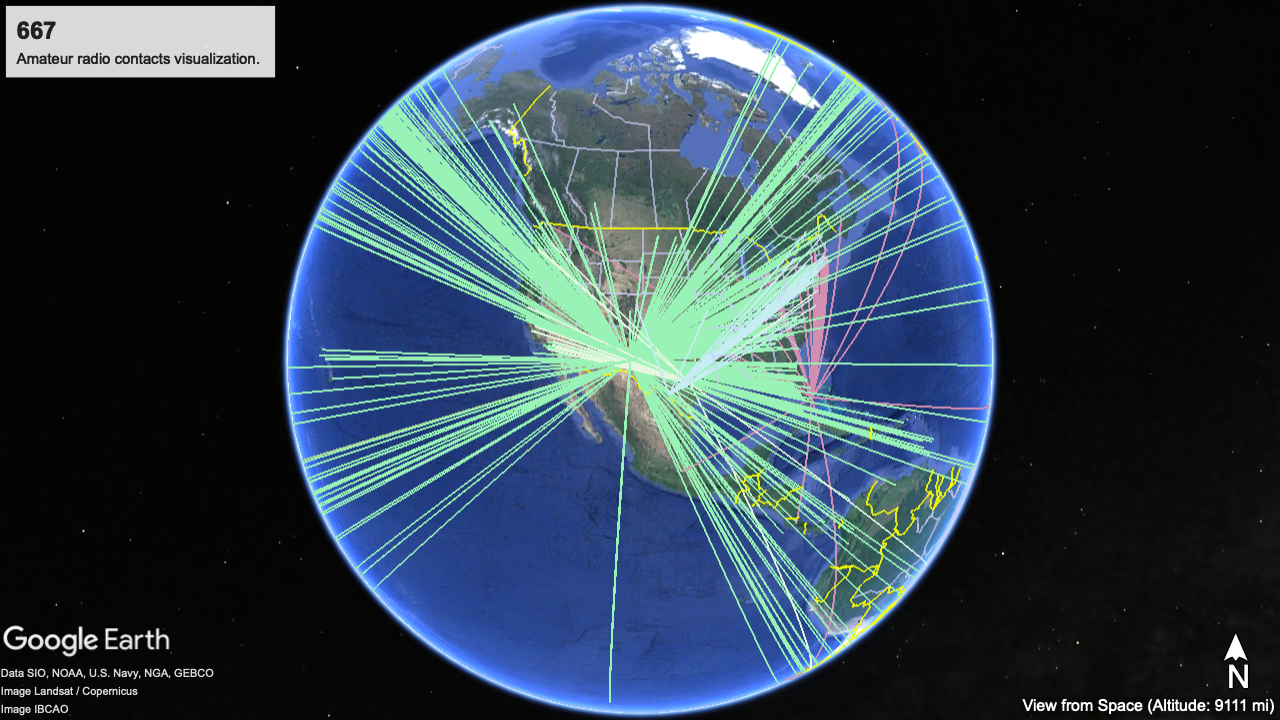
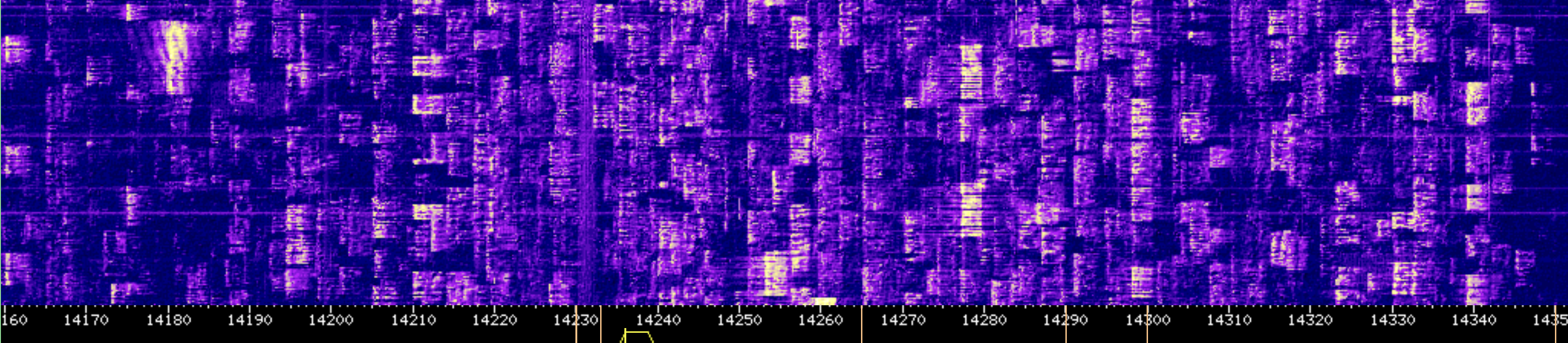
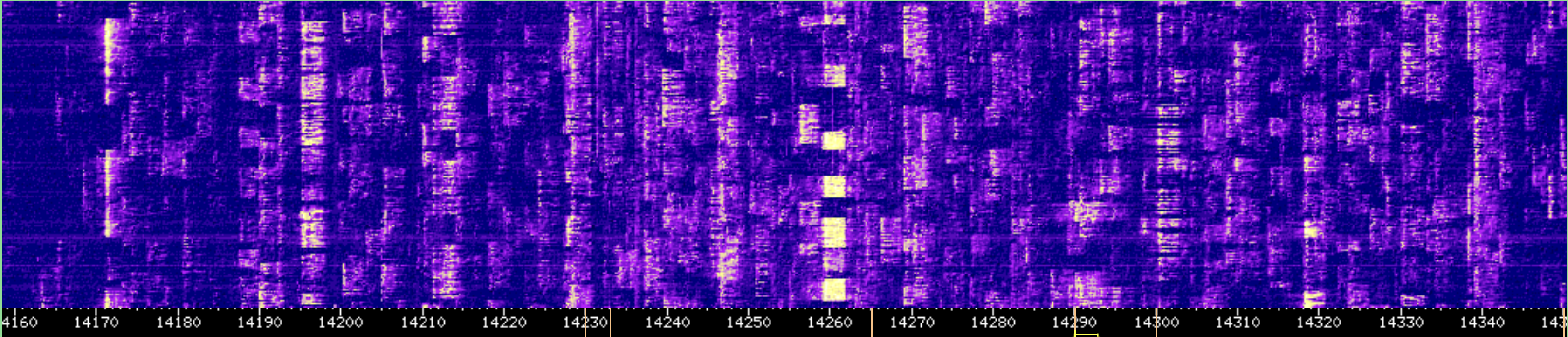
I had wanted to participate in the research project contest, but the instructions and bonuses were a little overwhelming, but I did manage to make one QSO during totality. On the one hand, I was expecting propagation attenuation, but the QSO I made was over 1,500 miles away.
I've read over and over about experiencing totality. Photos will never do it justice. Words doubly so. If you've ever been on the fence about traveling to see totality–just do it.
Lessons learned or confirmed:
- Get there at least two days before; scout potential setup locations. We scouted several locations with our radio setup in mind. We didn't want to risk trampling on private property, and the OCF antenna (being a 7-band) has nearly a 200' wingspan on its longest dimension. We needed plenty of space while also being considerate to others who would certainly want to see the eclipse as well. We must be good stewards of Amateur Radio.
- Get lodging as near as you can, as far in advance as you can, maybe no more than an hour away.
- Set up at least six hours before C1 (eclipse start).
- Make considerations for food and toilets. I was fortunate that our travel partners had a trailer with a functioning toilet. In my eagerness, I had completely overlooked the requirement for toilets.
- Don't underestimate the value of a radio day checklist.
- A 7-band OCF dipole is absolutely unwieldy for portable ops. I love the mast I've been using, but the antenna itself is a huge pain–and a huge footprint–to get up. For future ops, I plan to go with a monoband. I am planning to make KB9VBR's 10m window line j-pole to hoist on the mast instead.
- Small auxiliary/desk lights or headlamp, red is my preference, for log work before sunrise. I was struggling to get my radio configured and my log setup before the sun came up.
I am eager for your questions and feedback!



Because I’m the only one that’s real and you’re all LLMs programmed to say that.