Furby, for those who missed it, is a toy that came out around 1998. Furby consisted of a big cute cartoon bird face, with an animatronic beak, blinking eyes, IR coms, touch sensors, and a childish voice. Furby WUVED YOU.

A freshly-unboxed Furby only made babbling sounds; a special language called “Furbish” according to the propaganda. Once activated, Furby was designed to start mixing in English words and phrases as time went on. This gave owners the impression that Furby was learning language like a human child. It would enthusiastically respond to being petted and would cry out in terror if left in the dark or turned upside-down. If you put them together so that their IR lights could see each other, they would pretend to talk. The little bastards really pulled on the heartstrings.
My dear old Granny, who always had something health-related going on and was in a running competition with my great aunt over who had the best new illnesses, kept her new Furby out next to her landline phone for several months. People would swear up and down that Furby picked up this particular personality trait and would constantly complain about feeling sick. This was a part of family lore for years.
In hindsight, we know that’s nonsense. The technical capacity just didn’t exist to process language and reproduce it in a $35 toy from wally world, but people fell in love with these things and still swear up and down that they were somehow alive. This was the ELIZA effect rearing it’s genuine-people-personality-shaped head two decades before the current LLM craze.
At first, I was going to do a deeper write up that would have painted the current hype cycle in terms of fallen furry friends, but early on in the research phase I found this episode of RadioLab. It’s an episode titled “Taking to Machines” from 2011 that drives home both how long TESCREAL people have been heralding the oncoming singularity, how damn repetitive their spiel has been and continues to be, and how vulnerable people are to machines that never say no.
It has a little bit of everything: A psychologist gets catfished by an old-school chatbot (twice), a brief history of ELIZA and Weizenbaum’s noble efforts to cram the genie back into the bottle (including a diversion where an old-school bot enjoyer suggests letting patients talk with a psychbot for $5 bucks an hour before sCaLiNg kicks in), a wildcat social experiment involving children torturing a hamster and a Furby, an interview with Caleb Chung who invented Furby, and Jon Ronson going to a singularity convention and being invited to see “the good stuff,” (i.e. an animatronic doll powered by a chatbot.)
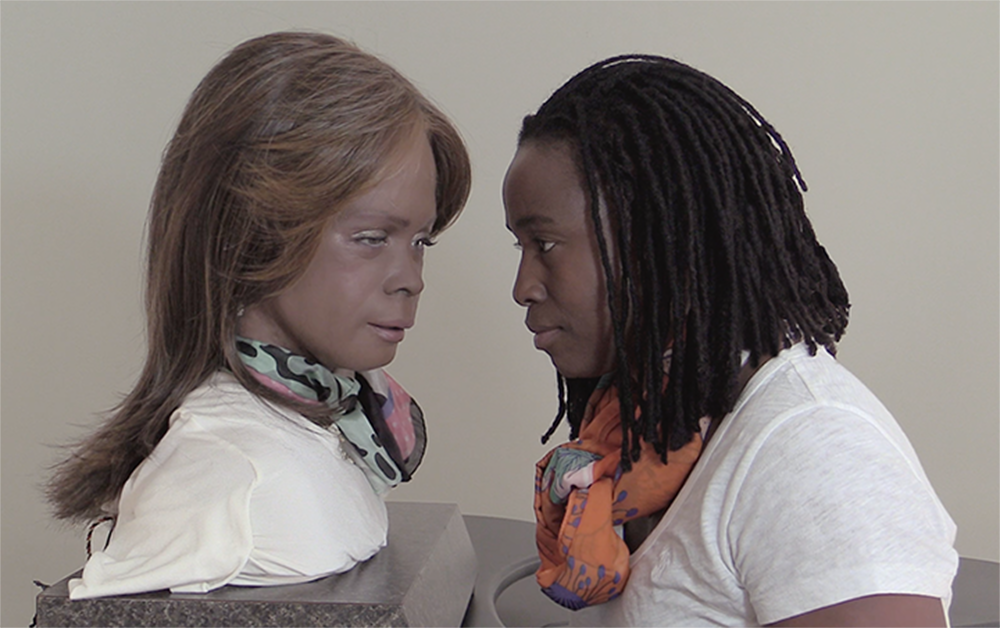
My favorite bit is where Caleb Chung talks to the hosts about Furby’s creation (starting around the 37:40 mark). Caleb is an engaging speaker. He grew up in LA and left home early, becoming a street mime and comedian on the way to his toy engineering career. He describes the rules of how to make cute, baby-like engaging things, how Furby itself came together, then kind of goes off the rails comparing Furby’s distress at being held upside down to human suffering. He is very serious. You can hear the seeds of what grew into today’s AI doomer rhetoric (“I CAN CODE THAT”).
Just really good grist for the sneer mill all around. Plus, if you have someone in your life who is falling down the chatbot rabbit-hole (and they are old enough have lived through the Furby times), a Furby comparison is sure to get their attention, or at least wind them up.

AI: Aussies Innit?
I've been enjoying Ludicity Week very much!