this post was submitted on 22 May 2026
97 points (100.0% liked)
Woodworking
8678 readers
18 users here now
A handmade home for woodworkers and admirers of woodworkers. Our community icon is submitted by @inquanto@lemmy.world, winner of the Christmas 2025 gift contest with a lovely series of hardwood cutting boards.
founded 3 years ago
MODERATORS
you are viewing a single comment's thread
view the rest of the comments
view the rest of the comments
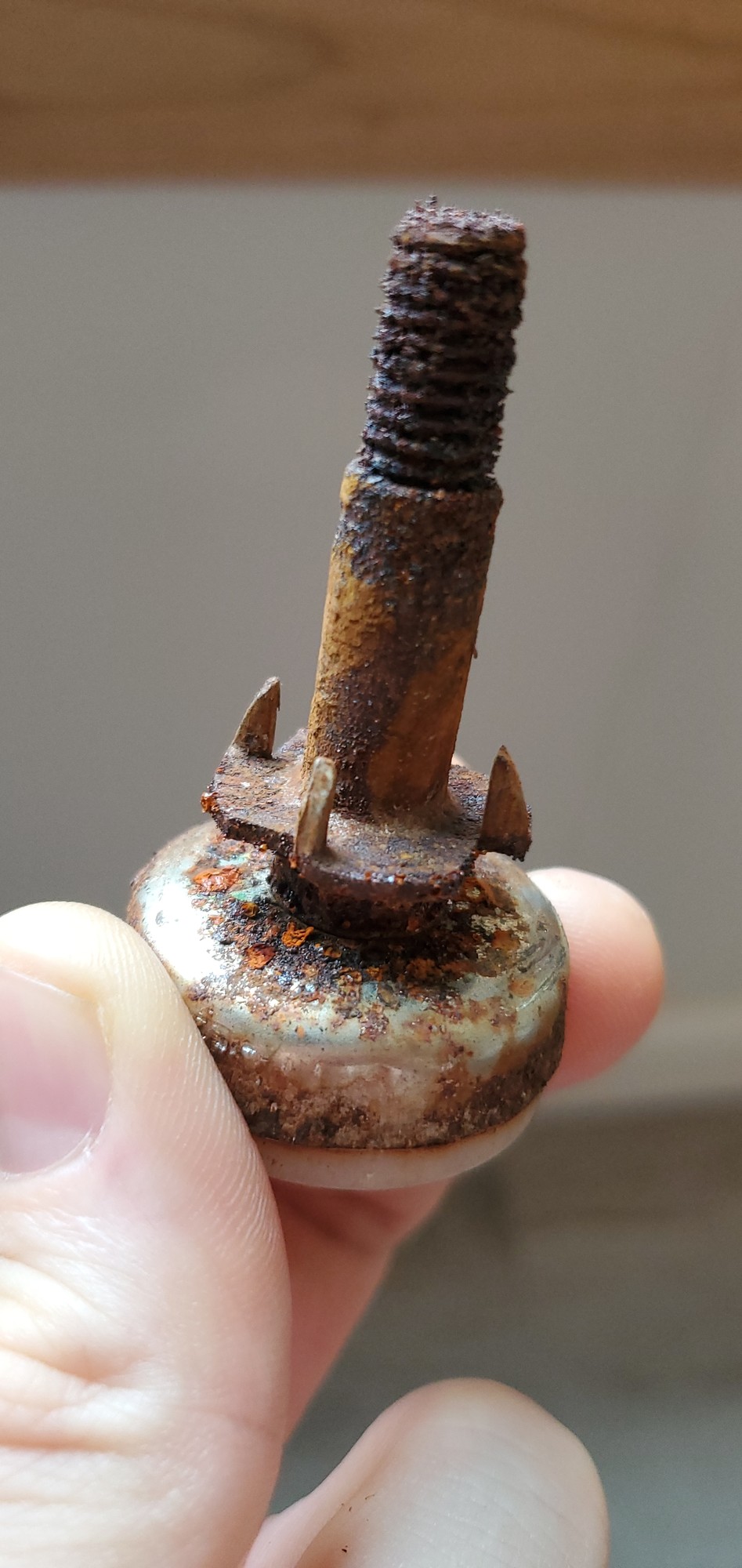
I'm confused - it seems like thats what would happen here? The foot would push the T nut into the wood from below?
Think about what would happen if you just pulled on the foot. The T-nut would come right out.
Compare that to how you would typically use a normal nut and bolt to secure two pieces of material, with the bolt head and nut on opposite sides of the material being secured.
Sure, but wouldnt the normal pressure of the floor pressing into the foot then immediately pop the t nut out of the top of the wood you nailed it into?
Well yeah, but you wouldn't use it that way for an adjustable foot -- that's a weird special case where the bolt is in compression. Normally the bolt is in tension, and that's when you'd want the T-nut on the opposite side of the wood.
Oooh. I thought we were talking exclusively about adjustable feet, since that was the OP. Wasnt even thinking about other applications.