this post was submitted on 19 Jan 2026
50 points (100.0% liked)
HistoryArt
636 readers
31 users here now
This magazine is for sharing artwork of historical events, places, personages, etc. Scale models and the like also welcome!
MORE COMMS ON THE HISTORYVERSE:
- !historymusic@quokk.au
- !historygallery@quokk.au
- !historymemes@piefed.social
- !historyruins@piefed.social
- !historyartifacts@piefed.social
- !historyphotos@piefed.social
founded 8 months ago
MODERATORS
you are viewing a single comment's thread
view the rest of the comments
view the rest of the comments
But also in subsistence-level lifestyles, very little is wasted. In the Old World, for example, even human dung was used as a binder for walls in rural areas.
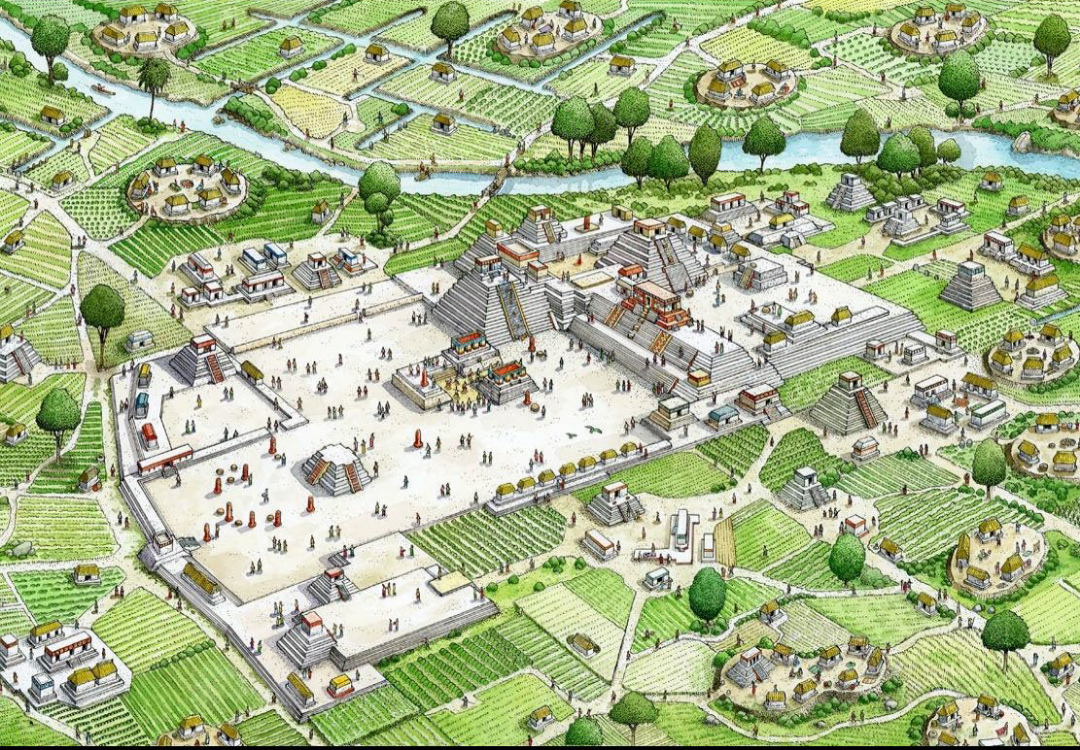
'Neatness', thus, in a low-trash generation environment, is more a function of good design than good living. If everything is dirt and mud, having it arranged in the right way is the difference between looking like a European peasant hovel falling apart, and looking like a half-decent place to live.
My knowledge of the Maya is pretty sparse, but I would imagine that settlements like these were dominated by an elite which wished for the prestige of a nice-looking town to compete with other city-states' elites (and also could provide access to the labor specialization and materials needed for a well-designed town instead of some local hamlet). If you will forgive my obsession with Rome, the Romans did something similar, consciously putting more effort into the residential construction of coloniae (typically established by the elite rather than organically developing) which were built near where rivals could see them.