Shot in August 2024 on UltraMax using a Kodak Ektar H35.

The problem I have with most of these services is that every channel is too hyper-specific, often literally just playing a single show or, at best, 2-3 shows but in multi-hour blocks. Incredibly lazy IMO.
To me, the appeal of linear terrestrial TV is having channels that show a wide variety of things throughout the day. If I wanted to see 24 hours of non-stop Mr. Bean I’d download them and shuffle the folder.
It’s a reference to British road maps. They were ubiquitous before satnav became commonplace - everyone with a car had at least one copy stuffed in their glovebox.
That would still work - asterisk isn’t a letter that can be accented, so the popup wouldn’t appear and the key would repeat as normal.
In typical Apple fashion, ‘that’s the neat part - it doesn’t’. If you want to be able to hold a letter to type it repeatedly, you have to disable the diacritics popup with a console command.
It’s the sort of stubborn ‘getting in my way’ feature that drives some people nuts when using a Mac, but in my experience it’s far more useful to be able to easily type accented characters than it is to be able to save half a second on the rare occasions I want to type ‘ooooooooooooooh’.
And yeah, if the popup is open you either hit the number displayed under the character you want or use the mouse to click on it.
On macOS you either use dead keys (option + backtick and then a letter will add a grave accent, like à) or just press and hold down the letter to get a little pop-up diacritics picker.

There’s a similar incentive to this Windows 11 one, but for macOS. Yikes.
Not sure why that warrants a yikes; macOS is far more usable than Windows 11. I’d go so far as to call it downright pleasant in comparison.
Six-seven is already outdated, too.
I’ve seen a few people recommending Aqara recently, but no personal experience myself.
As others have already mentioned:
Another point to consider is that Japanese is typically read from right-to-left, so the ‘first’ button is O. See also: Nintendo controllers, which still use ABXY in a ‘backwards’ arrangement, with A on the right.
As for why western developers decided to flip the controls? No idea who started it or why, but it’s become the global convention. That said, I remember a lot of PS1 games using triangle as the back button.
Shot in August 2024 on UltraMax using a Kodak Ektar H35.
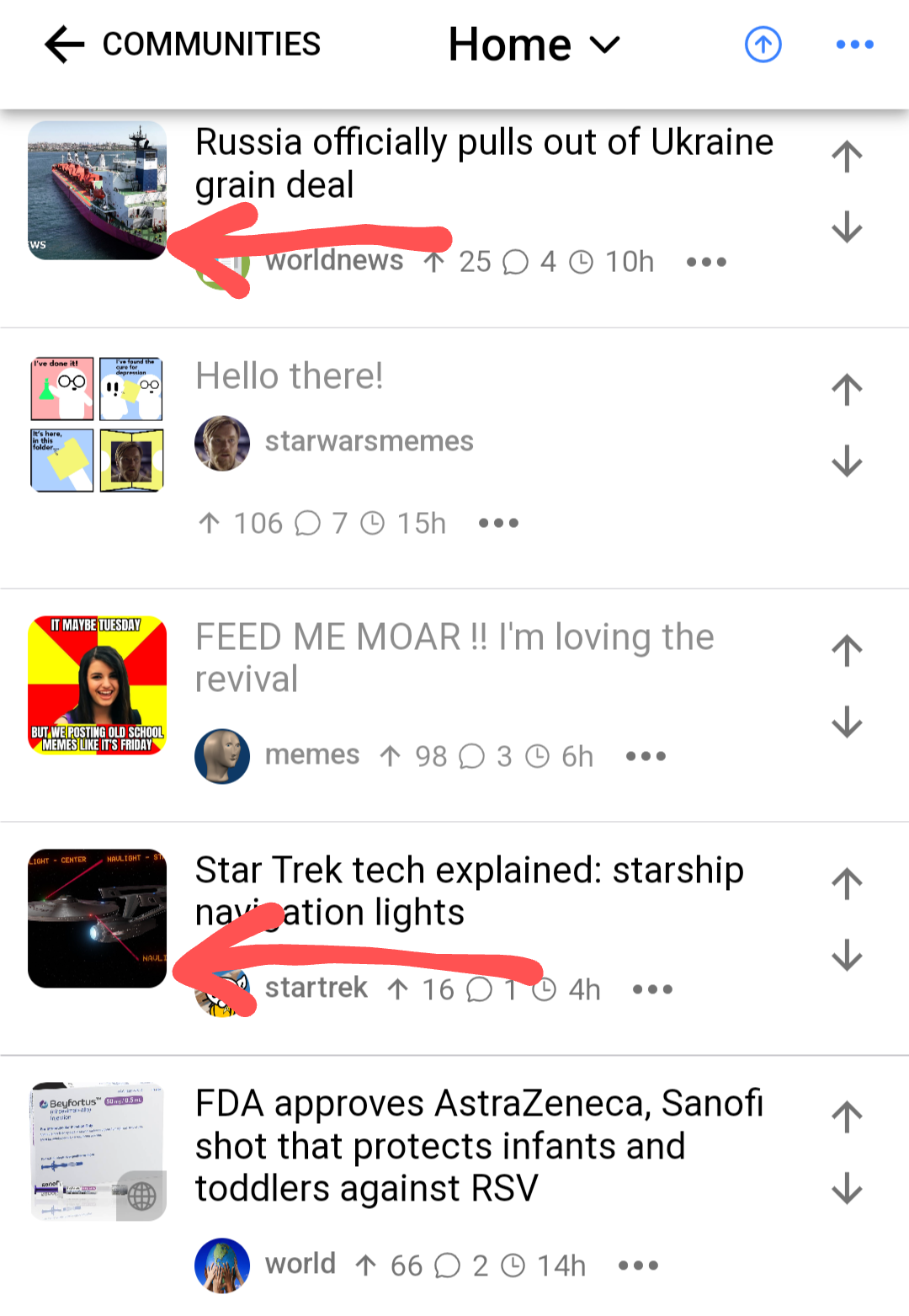
There's a little globe icon added in the bottom-right corner of external links, so you know that tapping the thumbnail will open a link rather than an image preview, but in its current form it's hard to see against darker thumbnails.
The posts I've highlighted with arrows in the image are both links, but it's almost impossible to tell.
Taken at Eynsford Castle, stand developed in Adonal.

It’s all thanks to the Muzak company and studies in the 50s/60s that suggested bland music made people work better.
There’s an article on it here to get started.