Reptiles and Amphibians

1181 readers
3 users here now

founded 4 years ago
MODERATORS
1


cross-posted from: https://lemmy.ml/post/47396508

cross-posted from: https://hexbear.net/post/8501263

Banner image: Poison dart frog of the species Ranitomeya aetherea, described from the Juruá River Basin, western Amazon, in 2023. Image courtesy of Alexander Mônico.

Scientists race to study the Amazon’s frogs before they disappear

  • The Amazon is home to the world’s greatest amphibian diversity, with an estimated 1,525 species, of which only 810 have been formally described by science.
  • This megadiversity is under pressure from climate change and human activity, threatening the risk of species going extinct before scientists even get a chance to describe them.
  • Recent research indicates that the combination of increased temperature and exposure to pesticides can alter tadpoles’ growth and development in the Amazon.
  • Amphibians play a central role in controlling insects, including disease-transmitting mosquitoes, while also contributing to natural control of agricultural pests — a service valued in Brazil at more than a billion dollars annually.

MANAUS, Brazil — Crouched over the leaf litter, where dry leaves accumulate on the forest floor, a researcher tries to capture a distinct croak using a directional microphone. Identifying the sound of a small frog is often one of the conclusive proofs that a new species has been found. It’s nighttime. He wears long clothing as protection against mosquitoes and ants, and boots to keep his feet dry. Finding amphibians in the Amazon doesn’t require high-tech equipment; it actually dates back to explorations by early-20th-century naturalists.

That’s how biologist Igor Kaefer, a professor at the Federal University of Amazonas in Brazil, describes a typical day of fieldwork in search of amphibians in the Amazon. Kaefer was part of a group responsible for describing Amazophrynella bilinguis in 2019. The very description of the little toad gives an idea of ​​how difficult it is to find: females measure about 2 centimeters (less than an inch), and their brown head and back make them “disappear” among the leaves and branches.

Home to an estimated 1,525 species of amphibians, the Amazon Basin is the most diverse ecosystem in the world when it comes to frogs, an order that includes toads and tree frogs. However, occurrence records have been confirmed for only about 810 of those. So going into the field and finding a new-to-science species is not unlikely.

“In almost every inventory conducted in a remote area, you come back with more than one new species for synthesis,” Kaefer says.

But finding a species in the field, analyzing it, and publishing the description takes “at least five,” he adds.

This constant stream of new-to-science discoveries masks another fact: from 2001 to 2010, only 12% of studies on Brazilian amphibians focused on Amazonian species, compared to 60% in the Atlantic Forest. This shows that studies are concentrated in Brazil’s southeast and points out some of the difficulties of conducting research in the world’s largest tropical rainforest, such as limited infrastructure, hard-to-reach areas, and lack of personnel.

“Biologists who know about amphibians are the real threatened species in the Amazon,” Kaefer says.

More than 2,000 amphibian species are threatened worldwide, making them the most vulnerable group of vertebrates on the planet. Of this total, 48% are directly threatened by habitat loss. This adds another layer of complexity to the knowledge gap regarding Amazonian amphibians: we may be losing entire populations before we even know they exist.

Biologist Guilherme Azambuja searches for tadpoles in a puddle in the Amazon. Image courtesy of Guilherme Azambuja.

Why are there so many species of amphibians in the Amazon?

Viewed from above, the Amazon Rainforest looks like a seamless green block, but it’s composed of a mosaic of distinct habitats: dry land, floodplains, streams, and seasonally flooded areas. This heterogeneity is even more pronounced when it comes to amphibians that are just a few centimeters long. Even in a stretch of forest that seems homogeneous to the human eye, some variations regarding moisture, forest height, soil type, and water type are decisive for amphibians.

“Over millions of years, species have diversified and specialized in these many habitats and in different environmental conditions,” Kaefer says. “This means that they have adapted in very distinct ways to different places. Even within a large group of amphibians, we find species with differences that are very subtle but enough for us to recognize a new one.”

The most significant example of these subtle differences is found in species from the genus Synapturanus, called disc frogs because of their round, flat profiles. These species live underground and have short reproductive periods, which makes them difficult to observe. Lineages that used to be seen as a single species are now only distinguished by approaches that combine genetic examination, vocalization monitoring and bone analysis based on 3D models.

Neblinaphryne imeri, a species described only in 2024, from Pico da Neblina. Image courtesy of Taran Grant.

It was precisely this diversity that attracted Kaefer to the Amazon. Originally from the southern state of Rio Grande do Sul, he arrived in Manaus, the capital of Amazonas state, in 2008 to pursue his doctoral studies, accompanied by his friend, Daiani Kochhann, now a professor at the State University of Vale do Acaraú, in Ceará state. While Kochhann’s career was focused on the study of Amazonian fish, she was convinced by her colleague to invest in the little frogs as well — a field where scientists still have much to discover.

Kochhann says Amazonian diversity isn’t defined only by the sheer number of species, but also includes the richness of reproductive behaviors. She cites the case of frogs, which most schoolchildren are taught go through two life stages, first as tadpoles, before metamorphosing into adults.

“In the Amazon, however, some species face very complex variations regarding this pattern, such as parental care, or tadpoles that hatch from the egg and live freely right away,” Kochhann says. “Some lay eggs in water; others in damp soil. And there are species that we only know in their adult phase, whose tadpoles we have never seen.”

These differences also pose a challenge for Kochhann’s research area of physiology: scientists need to know these organisms’ functions and processes, from cells to tissues and organs. Above all, they need to understand how they function in the face of increasing environmental strain, including climate change impacts.

“When we talk about climate change and amphibians, the big questions are which species will survive, which will not, and how this process will occur,” Kochhann says. “In the case of amphibians, the urgency is greater because they have characteristics that make them especially vulnerable to rising temperatures and drier climates, such as cutaneous respiration, which depends on skin moisture. Having little data on the Amazon means not understanding enough about these processes and risks.”

Data from Brazil’s National Council for Scientific and Technological Development (CNPq) indicate that only five groups in the country’s Northern region, which includes much of the Brazilian Amazon, formally study amphibians in their research; three of them are systematically focused on amphibian ecology and physiology.

A search by Mongabay found 9,062 scientific articles on Amazonian amphibians published in the last 10 years, only 3% of which explicitly describe new species. Climate, on the other hand, has been a central topic in the scientific literature: the keyword comes up in 3,411 of the papers, even though a data gap persists regarding amphibians’ tolerance to higher temperatures and their adaptive capacities.

Adult female of the species Ranitomeya aetherea, described from the Juruá River Basin, western Amazon, in 2023. Image courtesy of Alexander Mônico.

Climate change and pesticides: Emerging extinction risks

Climate change scenarios for the Amazon region include not only hotter days but also more severe periods of drought, as already observed in 2023-2024. Studies indicate that the increase in prolonged drought will cause an increase in habitat loss of up to 33% for frogs.

In addition to this risk, climate change interacts with other factors that also affect amphibians, such as water contamination by pesticides and heavy metals. Biologist Guilherme Azambuja investigates precisely these interactions, which are still little explored in the literature on the Amazon.

“One of the biggest challenges I faced was the lack of studies in this field for tropical environments such as the Amazon,” he says. “We end up resorting to results obtained in Europe or North America, which compromises comparisons with our reality.”

The darker colors show the areas of the planet with higher projected risks for frog species due to increased aridity. Image courtesy of Wu et al., 2024.

In a paper published in February this year, Azambuja tested the isolated effects of warming and exposure to the insecticide methomyl — an extremely toxic substance used in crops, with high water solubility — on tadpoles from two species, Osteocephalus taurinus and Scinax ruber. In a second phase, exposure to methomyl was tested at two temperatures: 26.5° and 30° Celsius (79.7° and 86° Fahrenheit).

In both species, the higher temperatures reduced the animals’ final mass. “When the temperature increases, their metabolism accelerates, hindering mass gain,” Azambuja says.

With higher temperatures and faster metabolism, tadpole respiration also increases, which may explain their greater susceptibility to absorbing substances present in water in warmer scenarios. In the case of O. taurinus, the link was clear: heat doubled methomyl’s lethal toxicity.

But the results also showed there are no absolutes in nature, with species responding differently to multiple stress factors. In terms of lethality, the tree frog S. ruber proved to be sensitive to methomyl regardless of temperature.

For Azambuja, this variation between species is the central point. It is precisely because species diversity is so high that responses to the same conditions also vary. Therefore, the lack of knowledge about these animals and their lifestyles means we can’t fully understand the impacts of these challenges or which species may be at greater risk.

In any case, Azambuja says, adaptation to temperature or substances takes a toll on amphibians, even the most resistant ones. “Body size decreases, resulting in thinner and smaller animals. While they are resistant, they may have lower sexual fitness and face reproductive challenges. Sometimes an animal tolerates warmer environments but remains at a level of stress that may not be sustainable in the long run, leading to organism collapse,” he says.

Harlequin toads of the species Atelopus spumarius, endemic to the Amazon. Image courtesy of Jaime Culebras/ASI.

What are we about to lose?

Making the case for amphibian conservation can be difficult: considered “disgusting” by society, these little frogs face invisible threats, and their contribution to ecosystems is rarely appreciated. At the Federal University of Ceará, Karoline Ceron is trying to change this reality with a powerful argument: money.

“By proposing research to assign economic value to amphibians in Brazil, we want to work alongside those who influence decision-making in the country, considering agribusiness’s major role in policymaking,” she says. “We want to establish a dialogue between two worlds: that of conservation and that of production.”

Still in progress, her research estimates that amphibians help prevent $1.18 billion in agricultural losses in Brazil, simply by consuming insects that attack crops. In soy plantations in the Cerrado biome, for example, amphibians likely save around half a million dollars a year in pesticides, by eating approximately 300 million invertebrates in those areas.

They also play a role in public health, especially in the tropics. With amphibians’ decline, part of the natural control of disease vectors like mosquitoes, which can transmit malaria and dengue fever, becomes lost. Research conducted across Central America found an increase in malaria cases related to the loss of amphibian populations.

“There is a synergistic risk, therefore,” Ceron says. “Loss of amphibian populations can lead to increased use of pesticides and insecticides in both rural and urban areas, which in turn would create new contamination and environmental poisoning.”

This story was first published here in Portuguese on April 13, 2026.

2


Lovely image of a Chachi treefrog (Boana picturata) featured in the cover of the latest Nature magazine!

The cover image is by Timo Metz. The article he contributed to in this issue is Open access too:

Metz, Timo, et al. "Biodiversity resilience in a tropical rainforest." Nature (2026): 1-8.

About the cover image (from nature):

The way back

With around 60% of tropical forests already lost or severely degraded, restoring this type of habitat has become a key strategy for conservation efforts. Although tree recovery has been studied, a comprehensive view of biodiversity recovery in restored tropical forests has been lacking. In this week’s issue, Timo Metz, Nico Blüthgen and colleagues aim to bridge that gap with an analysis of recovery across a range of species covering 16 taxonomic groups. Working at Jocotoco’s Río Canandé Reserve in Ecuador, the researchers compared naturally regenerated forest with untouched areas across multiple study sites. They found that although it takes several decades for full recovery to occur, abundance and diversity within a restored forest showed 75% similarity to an original forest within 30 years. The team notes that many species, such as the Chachi treefrog (Boana picturata) shown on the cover, are very sensitive to changes in their habitat and so can be used as an indicator for forest recovery.

Cover image: Timo Metz.

3
1
submitted 2 weeks ago* (last edited 2 weeks ago) by Tempus_Fugit@lemmy.world to c/herpetology@mander.xyz


Great Lakes region, USA. April 2026.

I was paddling around a local river and coasted into a nice little turtle cove. There were hundreds of painteds all sun bathing. Some of them scattered when I got near, while others let me get really close. If you looked at the river close enough you'd see dozens of little turtle heads poking out watching me intently.

4


Great Lakes region, USA. April 2026.

I was out for a walk when I stumbled on this guy trying to cross a busy road. I made sure to save him before he was roadkill. They have such beautiful eyes.

5


cross-posted from: https://lemmy.world/post/45582321

Great Lakes region, USA. April 2026.

While out birding today I spotted this snapper laying still on the side of the river. I assume it's nesting, but it could be waiting for a snack. Last week we had snow, and already the turtles are active.

Bonus painted turtle looking for a snack.

6
12
submitted 8 months ago* (last edited 8 months ago) by lover_of_life@mander.xyz to c/herpetology@mander.xyz


Hey guys! I'm not a regular on Lemmy, in fact this is my first post. But i wanted to share that I made a Reptile/Bug/Amphibian Discord server, for people like us who are absolute nerds about them. I figure that the best place to find like minded people would be here, so yeah I hope you'll all join, and have a Blast! https://discord.gg/EfFTdzd9ft

7


9 month old beardie - our first. She enjoys spending time outside with us.

8
 
 
9


From what I've heard, African House Snakes are becoming a more popular pet. Does anyone have any experience with them?

10


cross-posted from: https://lemmy.world/post/32976483

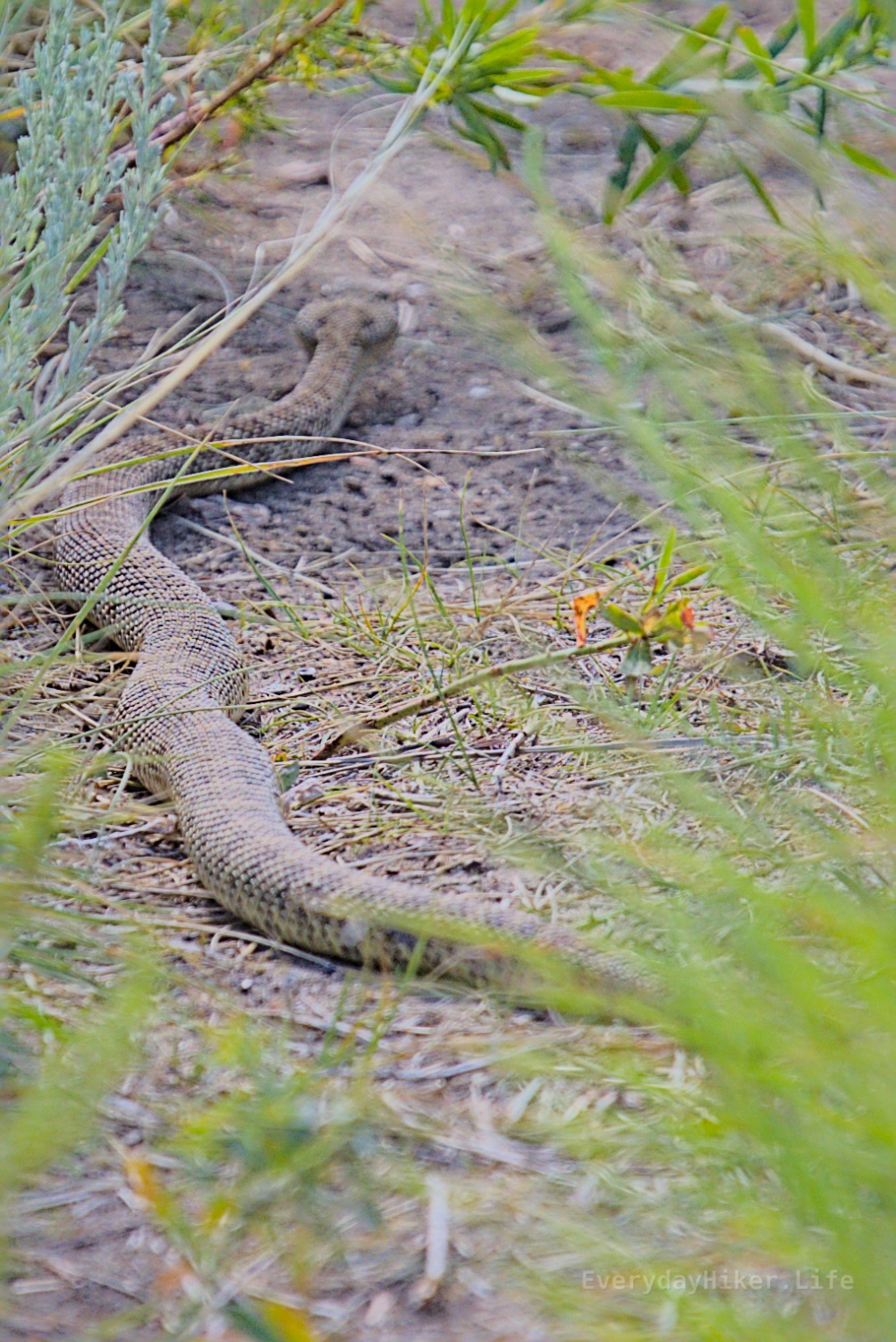
This one is from today, was pretty stoked to see it, after being pretty spooked to see it. Seen on the Petrified Forest Loop trail at Teddy Roosevelt NP. Was watching a bird that had taken iff and the next thing I knew it was giving me the heads up.

Another shot of the Prairie Rattlesnake still raised up but calming down.

Got a little to the side of the Rattlesnake as it calmed even more but remained partially raised up.

Another shot of the Prarie Rattlesnake moving along the trail. shortly thereafter it went to setup just off the trail and I moved along well off trail on the other side.

Couple videos on the Bluesky post of it slithering away along the trail.

11


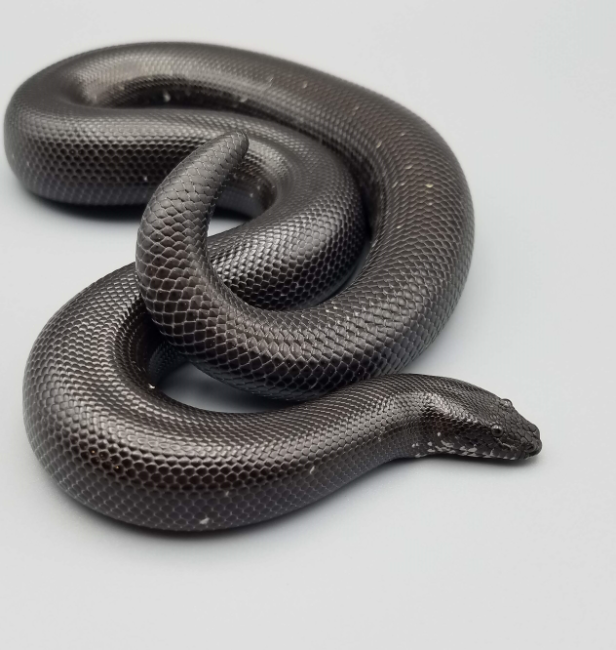
Does anyone have any experience dealing with Russian Sand Boas? I've heard that they are much more active than Kenyan Sand Boas and that Russian Sand Boas spend much less burrowing compared to Kenyans

12


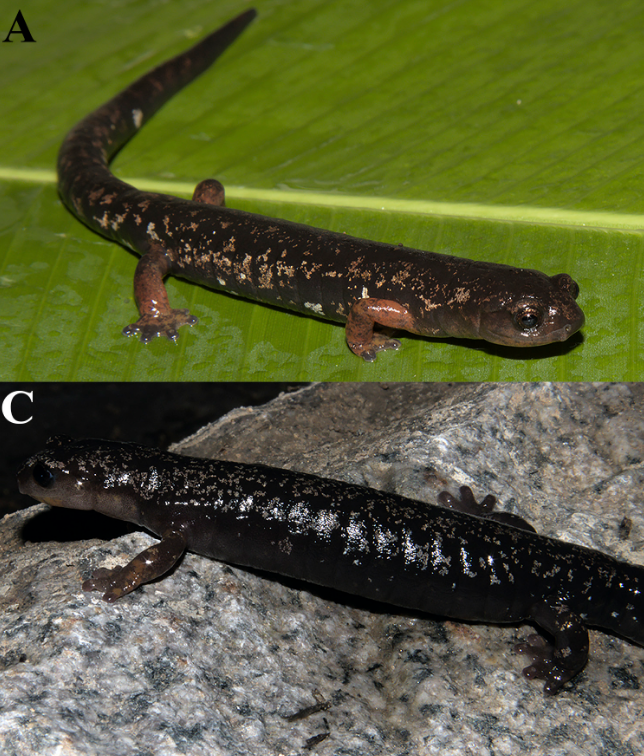
A new species of salamander from Costa Rica, Bolitoglossa chirripoensis, has been described!

Two photos of the newly described salamander, Bolitoglossa chirripoensis

KLANK, JEREMY, et al. "A new species of salamander of the genus Bolitoglossa (Caudata: Plethodontidae) from the highest massif of the Cordillera de Talamanca, Costa Rica." Zootaxa 5642.5 (2025): 427-450.

Research Gate Link

13


Rana pyrenaica is considered as endangered because of its small habitat in the pyrenees. Additionally the known populations are seperated from each other due to loss of habitat. We searched for this little fellow around Ordesa and found it next to the hiking trail. There is a little stream, and they love the moving and oxygen rich water. The end of the hike was a big waterfall where we found egg clutches! Really happy about that as this was the first evidence of reproduction at this locality 🐸

14


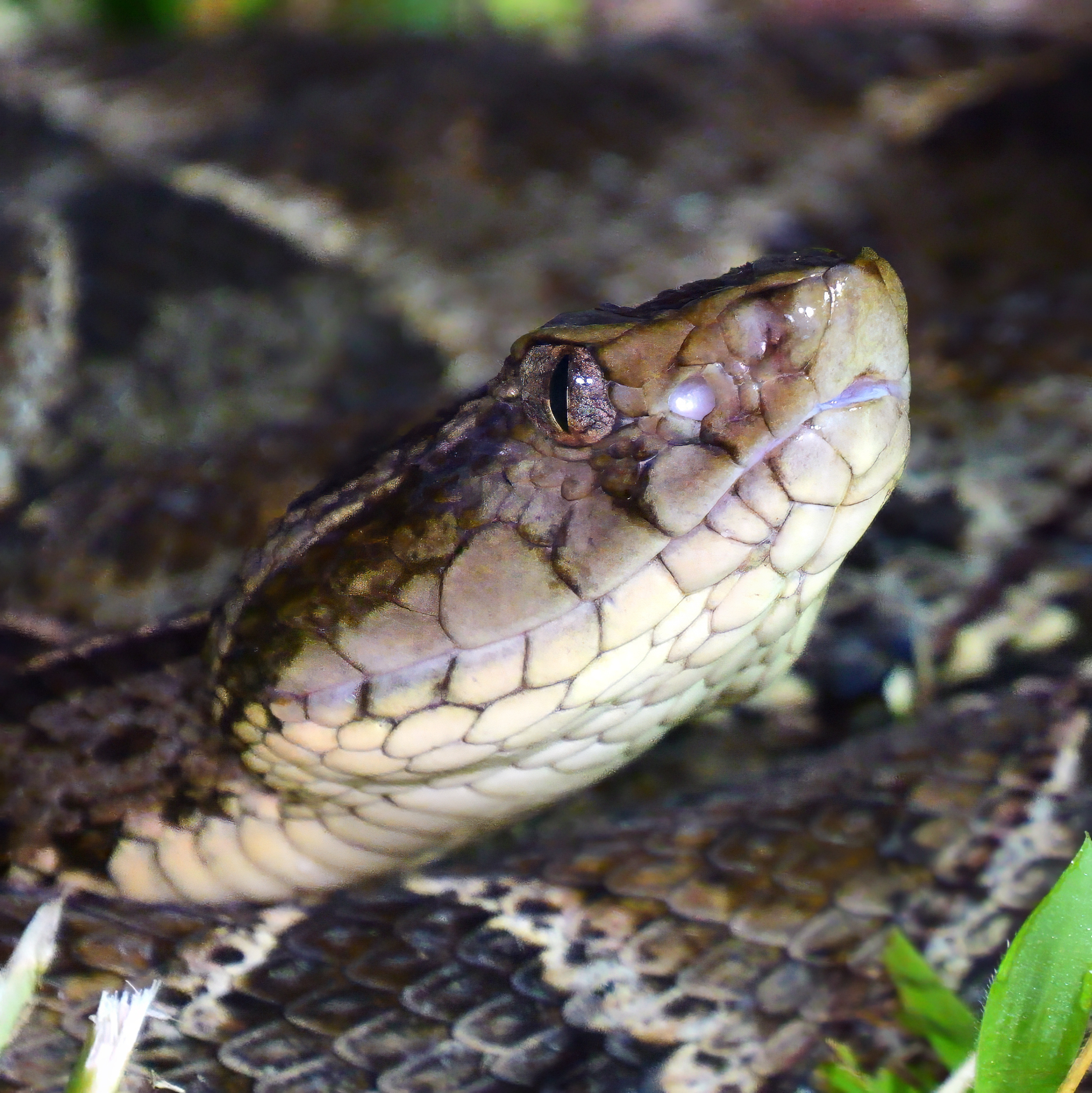
During hiking to the Refugio Respomuso we found 7 of these venomous snakes directly on trail.

15


More pictures in the comments

16


There are a few people out there self-dosing with snake venom. The posted article is based on a study on the blood of one of these guys, Tim Friede, who has developed very effective antivenom in his blood after 20 years of self-dosing with a diverse array of snake venoms.

Vice did a few documentaries on Steve Ludwin, who is also self-immunizing. In one of these he answers questions about how he began and his motivation for doing what he does. In addition to producing anti-bodies he also believes that snake venoms have medicinal and anti-ageing properties - but these beliefs do not appear to be supported by any animal-based data as far as I can tell: https://www.youtube.com/watch?v=AcbqB0pFRPA

Self-dosing with snake venom is not something I would recommend. Generally a bad idea. But it is interesting to see the results and to learn about what motivates someone to do something like this.

17
 
 
18


In the northern hemisphere, at least. This little guy was kind enough to let me take a picture.

19
30
submitted 1 year ago* (last edited 1 year ago) by Kokolores@lemmy.world to c/herpetology@mander.xyz


Male Moor frogs turn blue during mating season. The one in the back is also a male, that is yet to get the blue colour.

Himmelmoor, Germany, April

Canon R7 + RF 100-400

20
8
submitted 1 year ago* (last edited 1 year ago) by Kokolores@lemmy.world to c/herpetology@mander.xyz


Lower Saxony, Germany, April

Canon R7 + RF 100-400

21


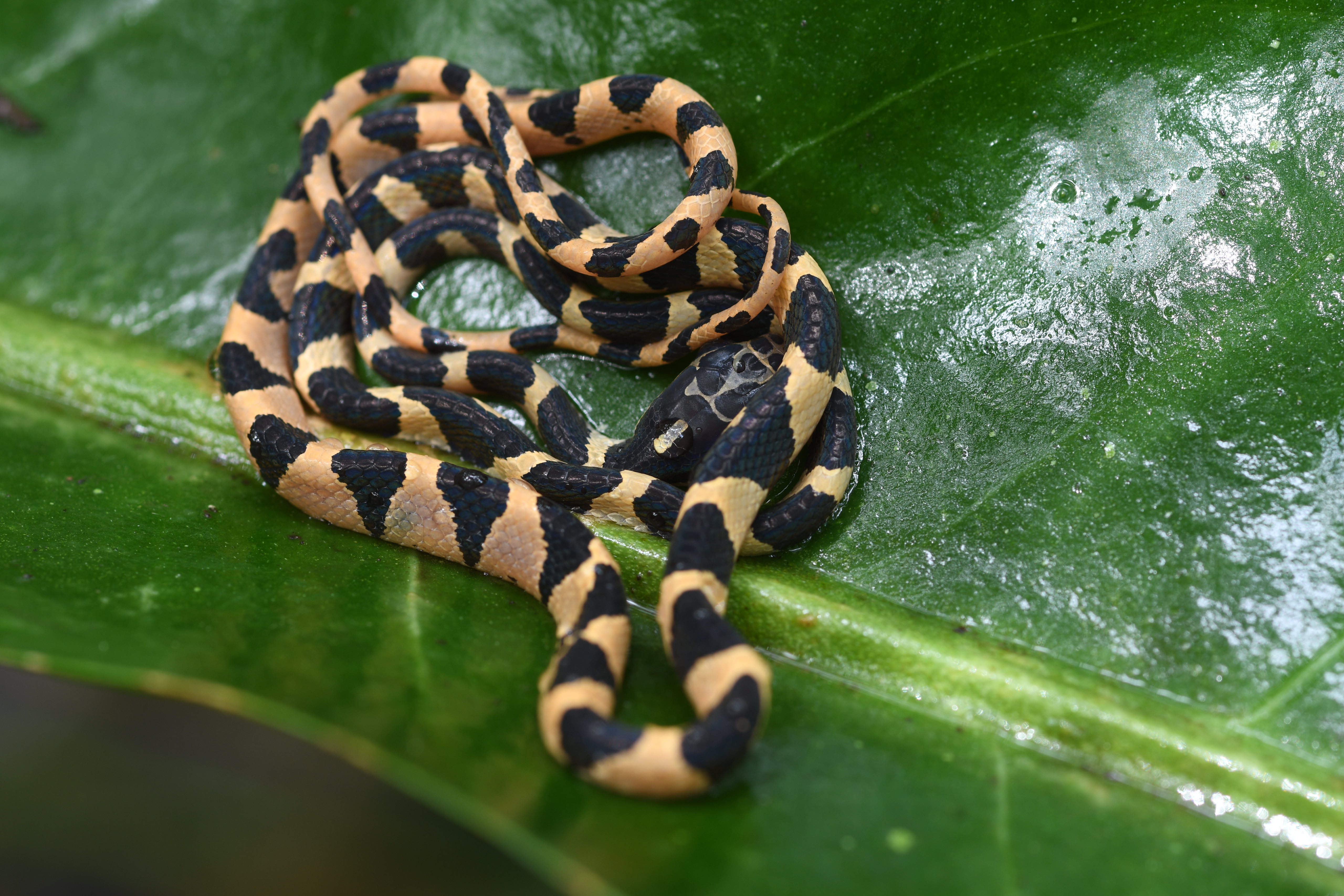
A fun species of snake at the reserve.

22


Abstract

Bolitoglossa digitigrada Wake, Brame and Thomas, 1982 was described from a few kilometers upstream from the Rio Santa Rosa, Ayacucho Region, Peru, at 1000 m a.s.l. in the Eastern Amazonian Montane Forest. Besides the type specimens, no additional collections or sightings of B. digitigrada had been reported for 43 years, and there is no information about its phylogenetic position inside its group. During a field expedition conducted in October 2022, we found four individuals of B. digitigrada in a corn and banana field near the community of San Jose, approximately 2.7 km from the type locality. Here, we provide information about living specimens, update description of coloration in life, elevation, and evaluate the phylogenetic relationships of B. digitigrada with a molecular phylogeny based on a 16S rRNA sequence.

23


Grumpy, dumpy, and gorgeous! I'm so lucky to have these nearby. They spend most of their lives underground but when it rains in October-November you can hear them call as they start to emerge.

24


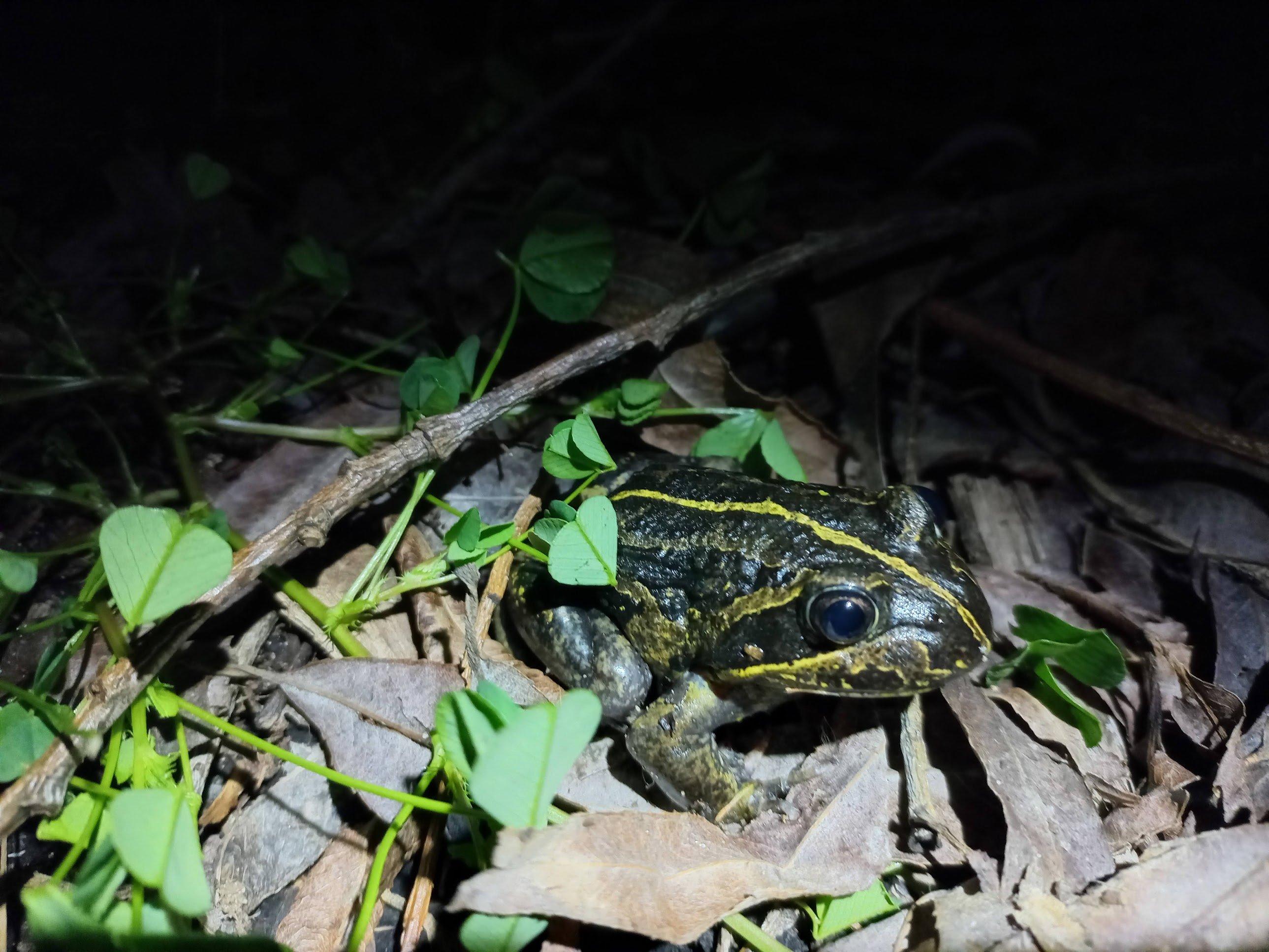
They get their name because their call sounds like a banjo! A commonly heard, but not often seen frog native to Southwest Australia. They spend a lot of their lives burrowed underground or under leaf litter.

25
view more: next ›