Key thing is this map, which shows that summer temperatures have increased significantly in some parts of the country, but not others.

Discussion of climate, how it is changing, activism around that, the politics, and the energy systems change we need in order to stabilize things.
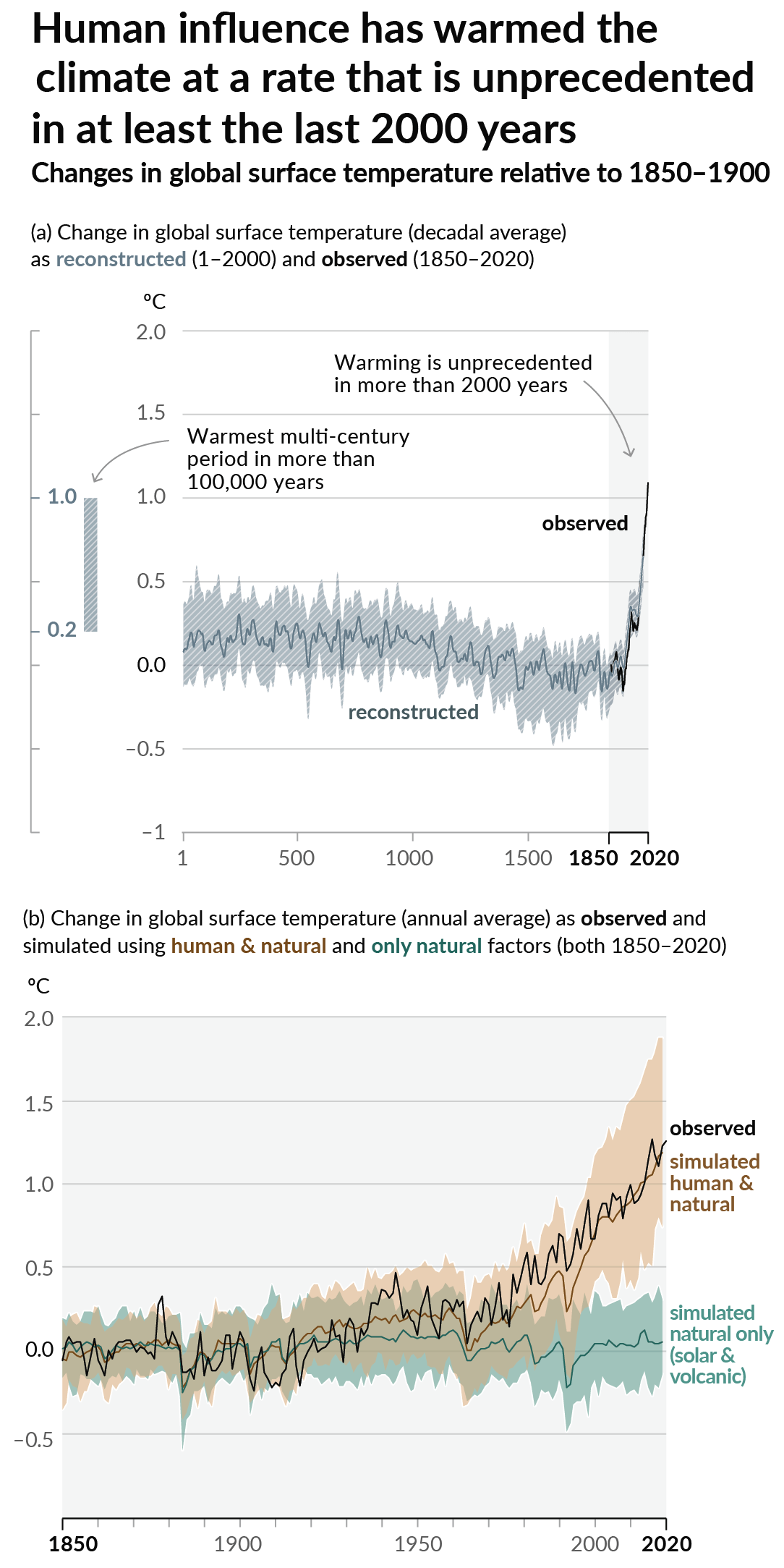
As a starting point, the burning of fossil fuels, and to a lesser extent deforestation and release of methane are responsible for the warming in recent decades:
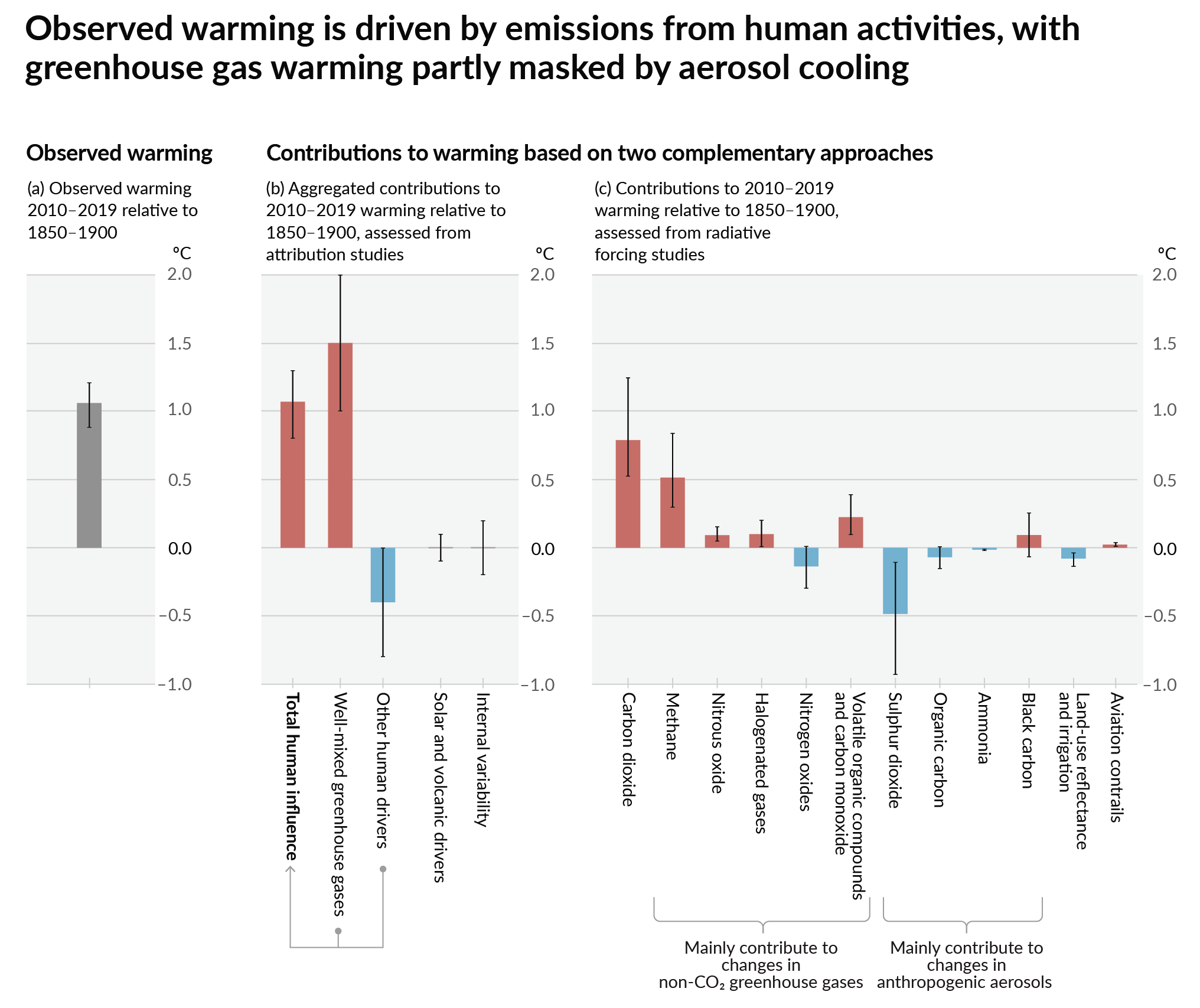
How much each change to the atmosphere has warmed the world:
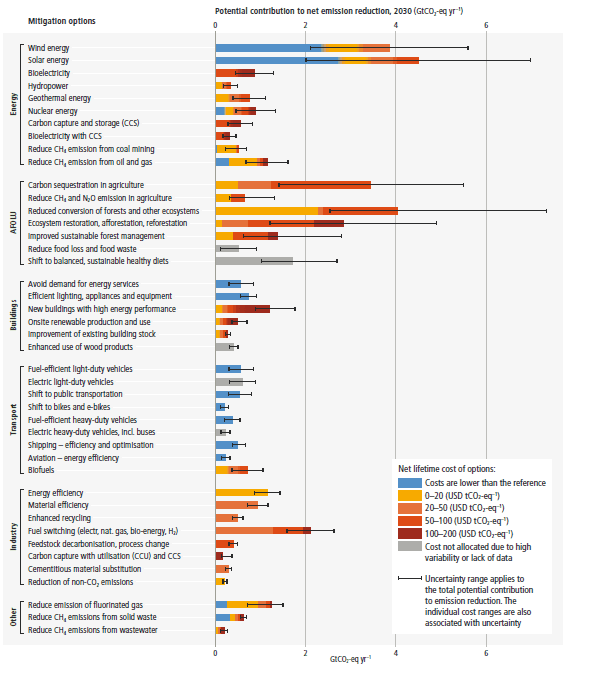
Recommended actions to cut greenhouse gas emissions in the near future:
Anti-science, inactivism, and unsupported conspiracy theories are not ok here.
Key thing is this map, which shows that summer temperatures have increased significantly in some parts of the country, but not others.
It's worth nothing that these regions are continental and already generally hot during the summer.
"Global warming" is not an accurate name and has been latched onto by some on the right to dismiss whats going on. It is "Climate change". The overall average global temperature is certainly getting hotter but it's not universal to every point on the earth.
However there are lots of other major impacts beyond average temperature such as changes in the lengths of summer, wetter or dryer summers, wetter or dryer winters, warmer winters, more unstable weather such as hurricanes, storms etc and more.
So while the average temperature in parts of continental North America may seemingly be stable, it's extremely unlikely there haven't been other changes. Earth is a single connected climate and biosphere; lines drawn on maps are irrelevant. This is only "strange" if you take a simplistic view that temperatures should be going up everwhere.
My friend calls the whole thing Global Weirding, which I feel is much more accurate. Warming is the cause, weird and increasingly messy weather is the effect.
Indeed. It is somewhat similar to when man messes up an ecosystem either by introducing an invasive species, or decimating a species in an area. It doesn't affect everything, everywhere, but can severely change a local ecosystem in ways that may not be obvious.
A great example of this is how the wolves in Yellowstone changed the whole ecosystem of the park, both with the wolves removal, and again with their reintroduction.