this post was submitted on 21 May 2026
56 points (100.0% liked)
Climate
8753 readers
291 users here now
Discussion of climate, how it is changing, activism around that, the politics, and the energy systems change we need in order to stabilize things.
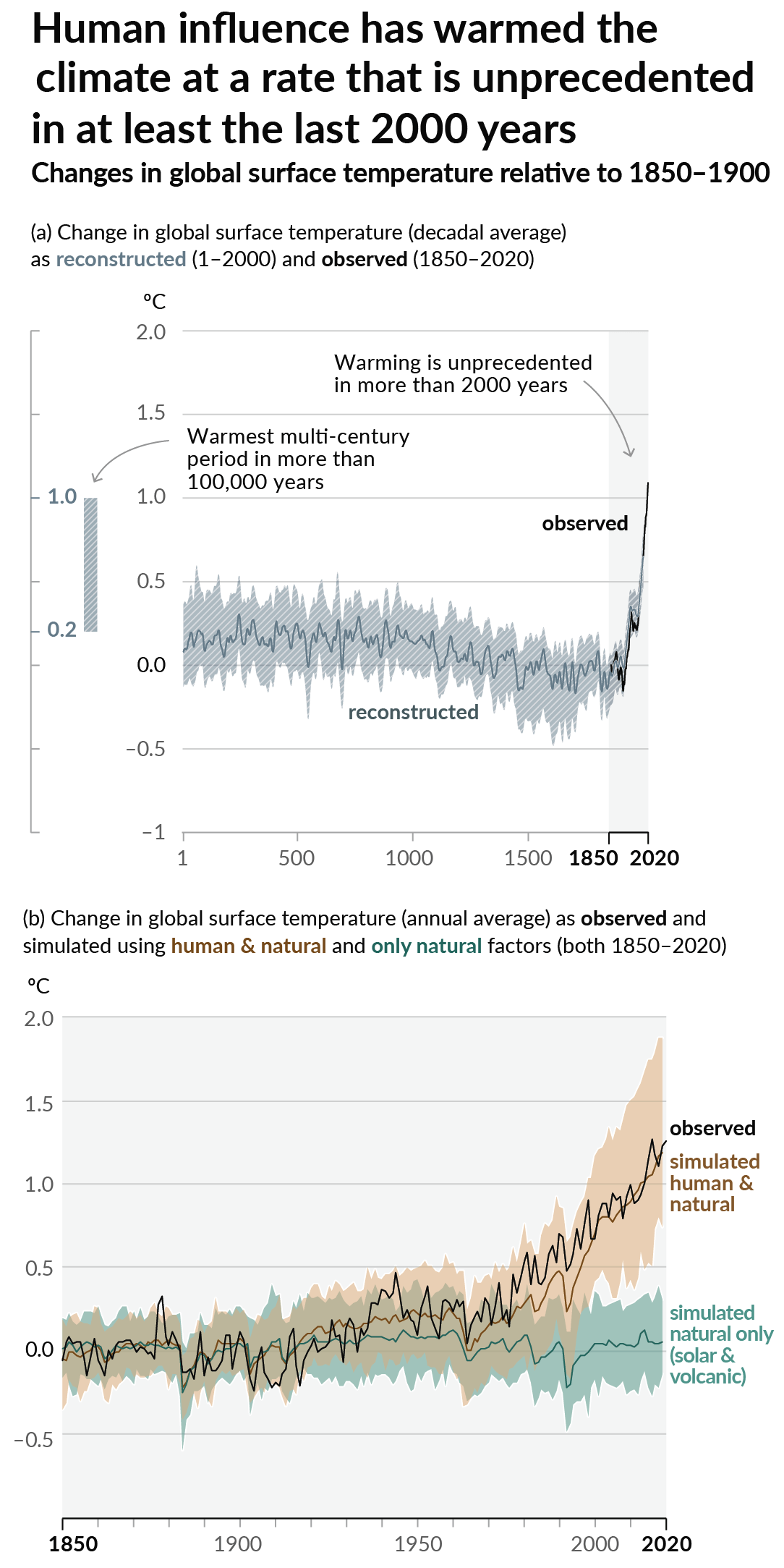
As a starting point, the burning of fossil fuels, and to a lesser extent deforestation and release of methane are responsible for the warming in recent decades:
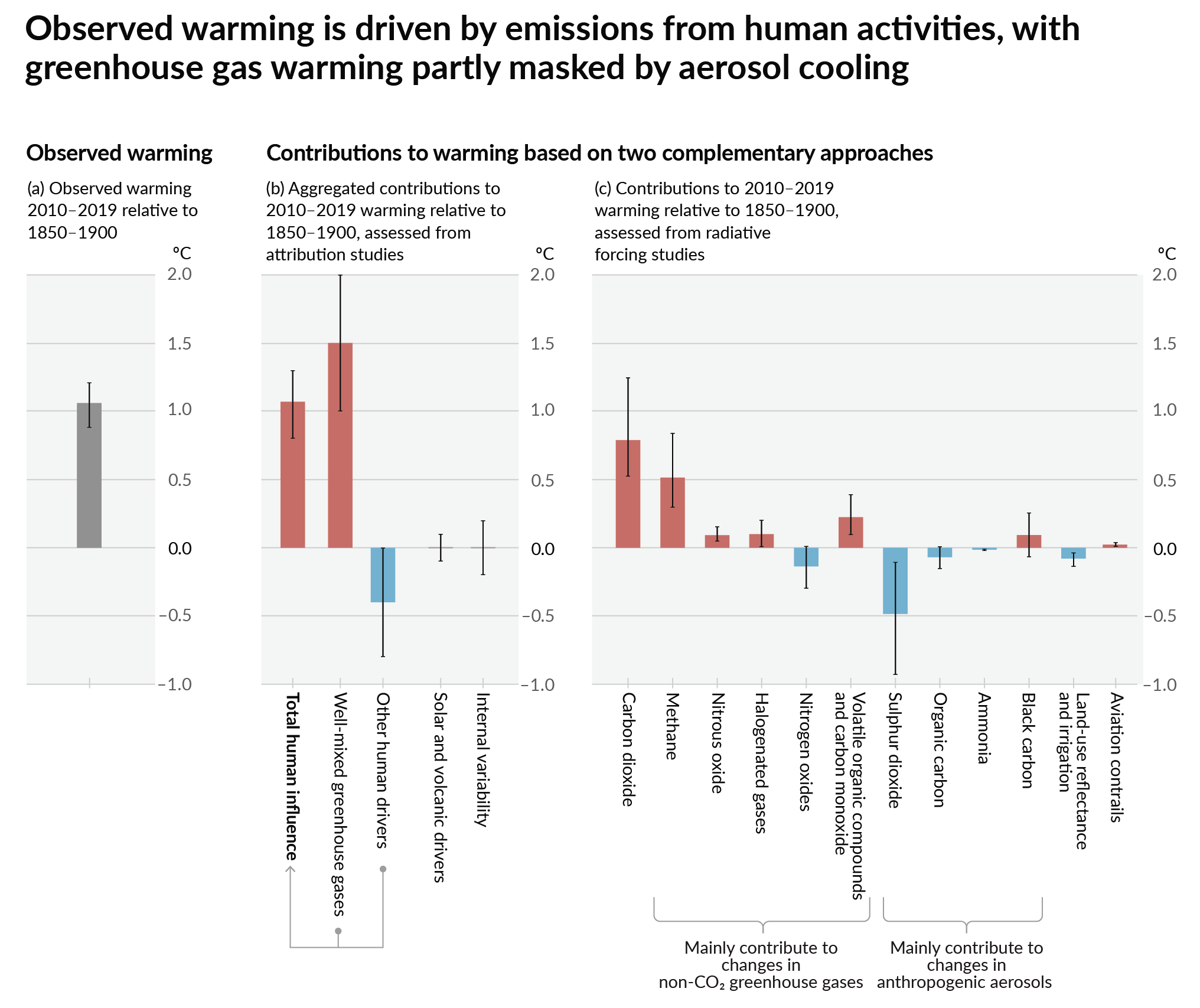
How much each change to the atmosphere has warmed the world:
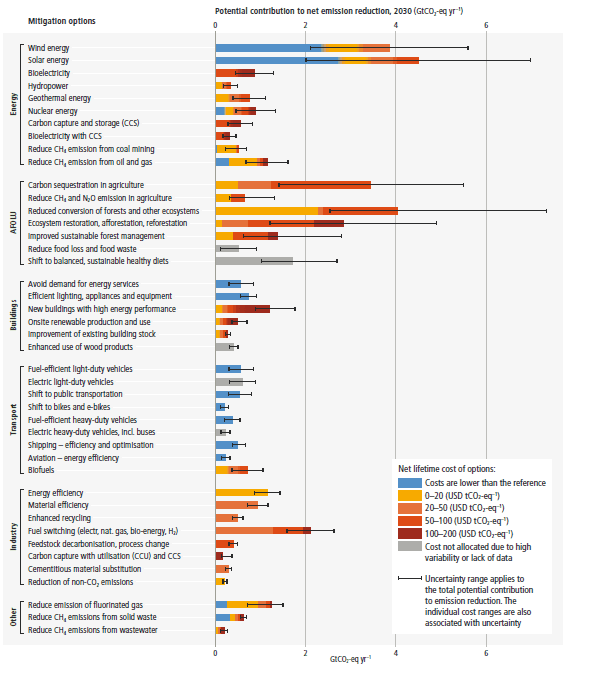
Recommended actions to cut greenhouse gas emissions in the near future:
Anti-science, inactivism, and unsupported conspiracy theories are not ok here.
founded 3 years ago
MODERATORS
you are viewing a single comment's thread
view the rest of the comments
view the rest of the comments
US annual natgas use is some 9 PWh. Grid scale storage in the US cost 219 USD/kWh. 1 PWh = 10^12 kWh. So some 2000 trillion USD, if my math is right. And that's just one country, just natgas.
I'm not understanding your math. What would we need enough battery storage to cover annual use? The sun isn't going to stop shining for an entire year, is it?
The number gives you a ballpark of what natural gas is used for in the US, which is not just for generation. As the fossils are going away right now (look at fossil energy cost of energy going up exponentially), we need to substitute everything by electrification, stat. This means mostly photovoltaics, since it's the only source that can scale. Due to night, clouds and snow cover the capacity factor of solar is some 10% of nameplate over the year, where I sit. So for full natgas substitution you need to multiply the natgas consumption by 10 to obtain the necessary photovoltaics nameplate. Apart from night which gives you zero you'd be generating a massive surplus during the summer and very little during the winter. So for seasonal buffering you need a lot, several months to half a year of nameplate capacity. Which is why many talk about hydrogen here, not batteries.
These are still bogglingly large numbers, but we shouldn't forget substituting for coal and oil, and also nuke. Plus added demand for all the additional renewable infrastructure construction, while we're running out of mineral resources.
What I meant to show that the numbers show you that it's impossible at scale. Nevermind that all but biofuel harvesting infra can't be build without fossil energy and chemical equivalents.
So the scale will self-adjust nolens volens. With all the nasty consequences for the human primate, and the rest of the poor ecosystem.