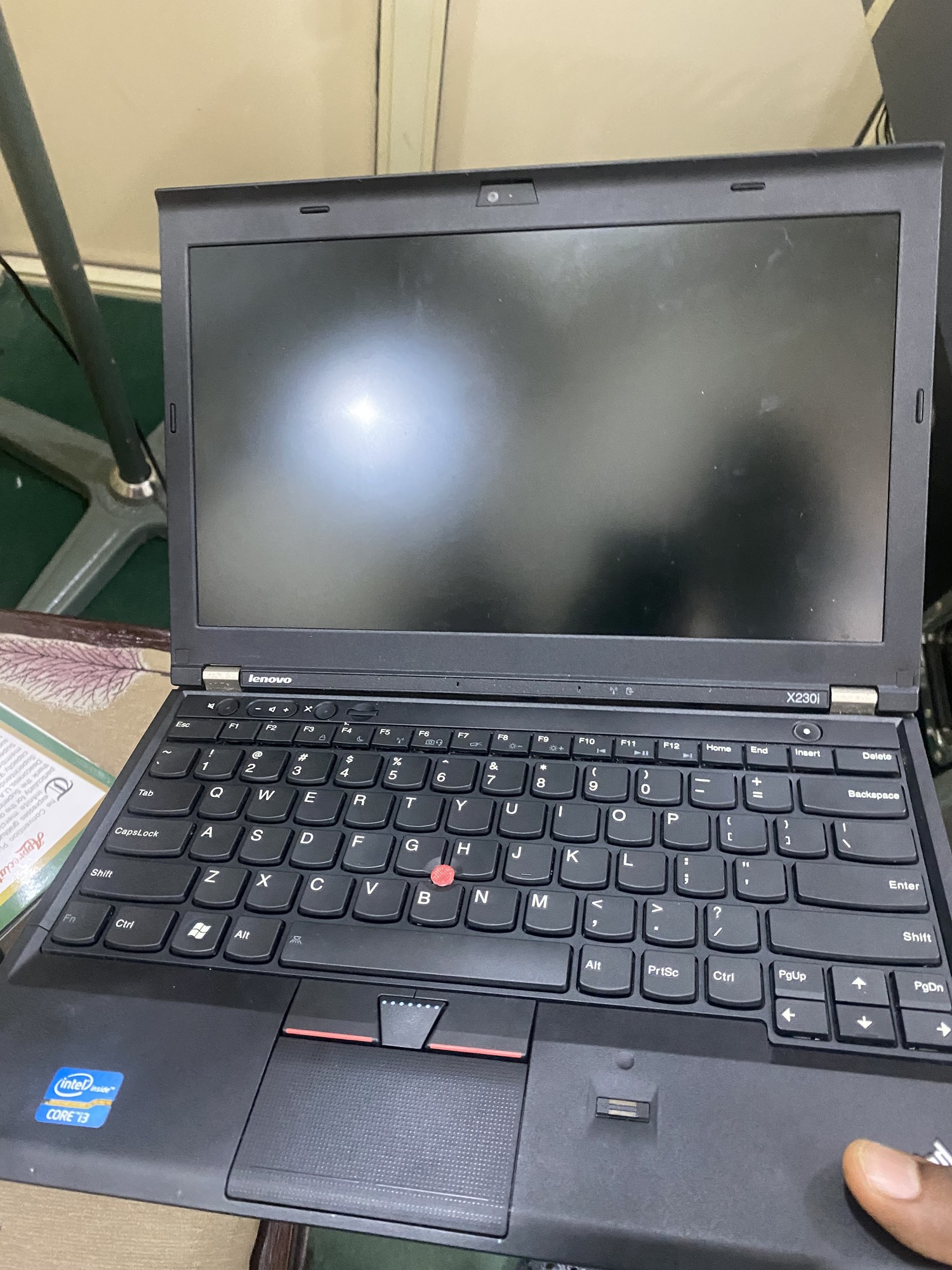
Here’s the PC:
From Wikipedia, the free encyclopedia
Linux is a family of open source Unix-like operating systems based on the Linux kernel, an operating system kernel first released on September 17, 1991 by Linus Torvalds. Linux is typically packaged in a Linux distribution (or distro for short).
Distributions include the Linux kernel and supporting system software and libraries, many of which are provided by the GNU Project. Many Linux distributions use the word "Linux" in their name, but the Free Software Foundation uses the name GNU/Linux to emphasize the importance of GNU software, causing some controversy.
Community icon by Alpár-Etele Méder, licensed under CC BY 3.0
Here’s the PC:
With a machine like that, you're firmly in the mainstream of linux. Almost any distro will run well on it, so selection is a matter of taste.
Debian is a solid, conservative option, though they have a reputation of lagging behind other distros in terms of software versions. I do like arch, their wiki is first rate. It has the reputation of being finicky but I've always found it pretty straightforward. Great for the extensive docs and not trying to insulate you from the system.
I personally would avoid ubuntu these days, they seem to be leaning into the Ubuntu Way for things like installing software. A bit lock-in ish for me.
FWIW I'm running nixos on my thinkpads, works great. Nixos is not to be undertaken lightly, there's a lot to learn and docs are meh. Stability is second to none, and the declarative configuration management makes it great for easing into devops.