One could even hypothesize that this was the goal.
this post was submitted on 30 Mar 2026
14 points (100.0% liked)
Climate
8481 readers
254 users here now
Discussion of climate, how it is changing, activism around that, the politics, and the energy systems change we need in order to stabilize things.
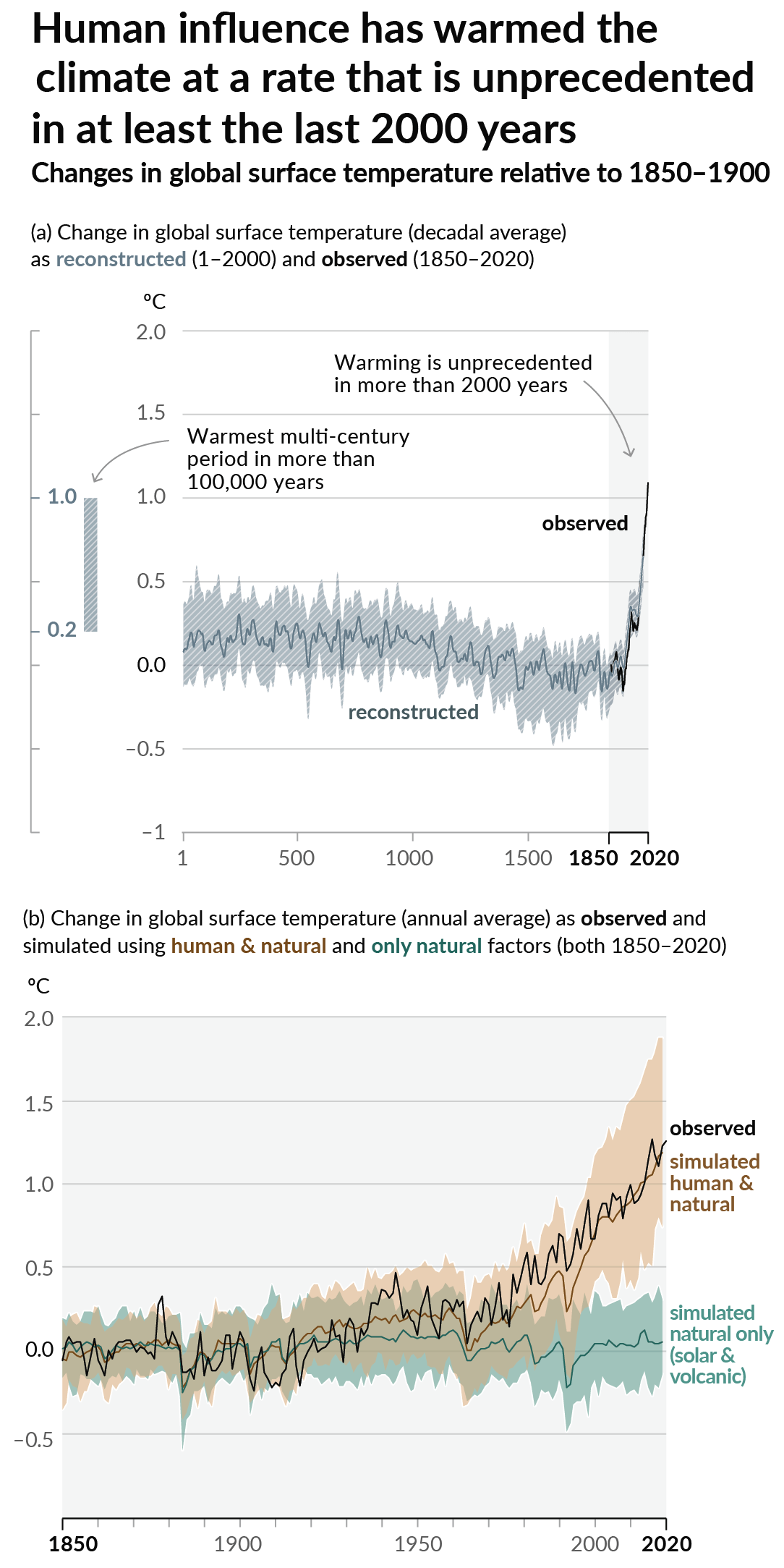
As a starting point, the burning of fossil fuels, and to a lesser extent deforestation and release of methane are responsible for the warming in recent decades:
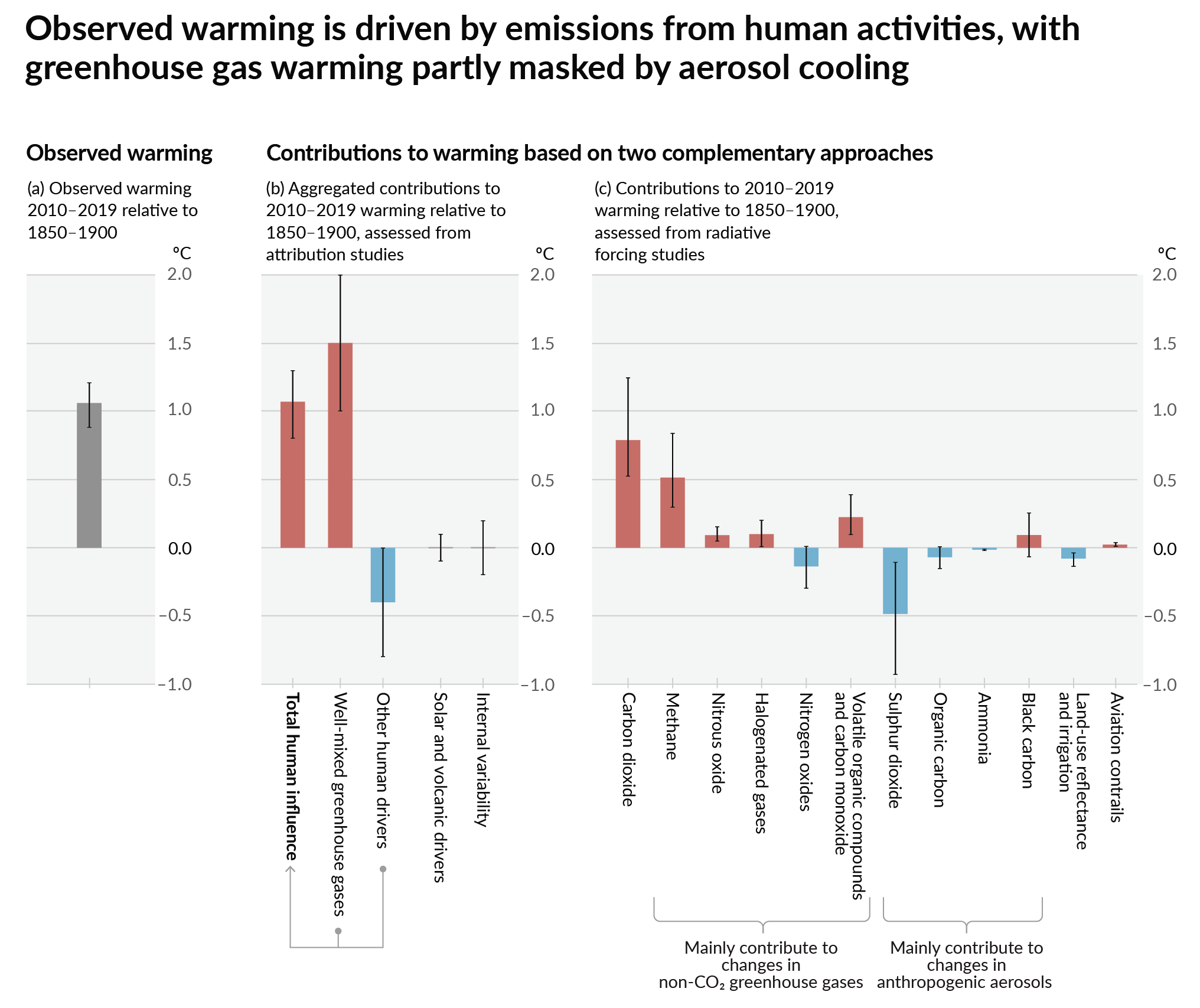
How much each change to the atmosphere has warmed the world:
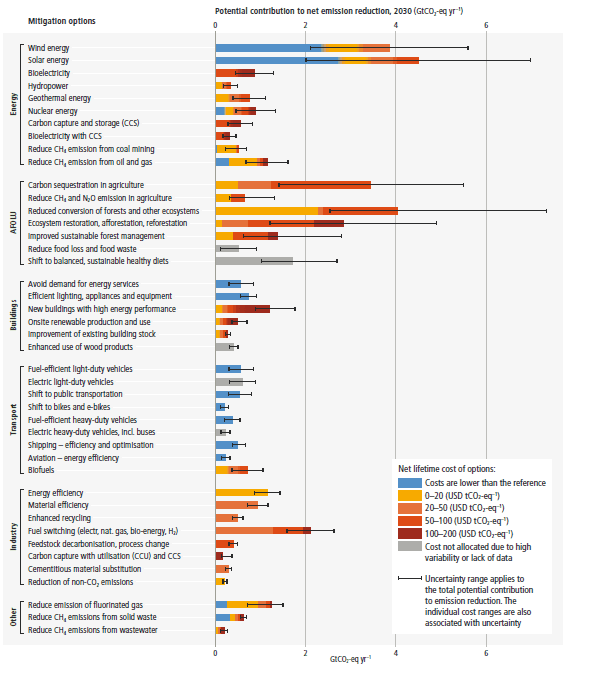
Recommended actions to cut greenhouse gas emissions in the near future:
Anti-science, inactivism, and unsupported conspiracy theories are not ok here.
founded 2 years ago
MODERATORS
Japan, one of the world’s largest gas importers, on Friday said it would expand the use of less-efficient coal power plants, as it tries to diversify its generation capabilities. In Bangladesh and India, coal plants are already shouldering the burden of shortfalls elsewhere.
Even in Europe, where plenty of dirty power has been phased out, the Netherlands, Poland and the Czech Republic could all see more coal use if gas prices remain high. Germany is considering reactivating mothballed coal-fired plants as a way to curb electricity prices.
Coal is one of the most expensive per-kwh sources of energy in the modern day. It's primary appeals are density and reliability - you can generate an enormous amount of electricity for a relatively small geographic footprint and regulate it based on fossil fuel inputs more easily than solar/wind.
Even then, we've phased out a lot of the old coal mining operations, thanks to the post-COVID price crash. This is a distressing turn as a stopgap measure, but it is also an economic shock that's going to force people away from fossil fuels in the aggregate that much sooner over the long term.
After all, the Straight of Hormuz isn't the only international energy choke point. And coal supply trains can run as long as their LNG/petroleum peers.