Formula 1
11040 readers
183 users here now
Welcome to Formula1 @ lemmy.world Lemmy's largest community for Formula 1 and related racing series
📆 F1 Calendar
🏁 FIA Documents
📊 F1 Pace
2026 Calendar
| Location | Date |
|---|---|
| 🇨🇳 China | 13-15 Mar |
| 🇯🇵 Japan | 27-29 Mar |
| 🇧🇭 Bahrain | 10-12 Apr |
| 🇸🇦 Saudi Arabia | 17-19 Apr |
| 🇺🇸 USA (Miami) | 01-03 May |
| 🇨🇦 Canada | 22-24 May |
| 🇲🇨 Monaco | 05-07 Jun |
| 🇪🇸 Spain | 12-14 Jun |
| 🇦🇹 Austria | 26-28 Jun |
| 🇬🇧 Great Britain | 03-05 Jul |
| 🇧🇪 Belgium | 17-19 Jul |
| 🇭🇺 Hungary | 24-26 Jul |
| 🇳🇱 Netherlands | 21-23 Aug |
| 🇮🇹 Italy (Monza) | 04-06 Sep |
| 🇪🇸 Barcelona-Catalunya | 11-13 Sep |
| 🇦🇿 Azerbaijan | 24-26 Sep |
| 🇸🇬 Singapore | 09-11 Oct |
| 🇺🇸 USA (Austin) | 23-25 Oct |
| 🇲🇽 Mexico | 30 Oct-01 Nov |
| 🇧🇷 Brazil | 06-08 Nov |
| 🇺🇸 USA (Las Vegas) | 19-21 Nov |
| 🇶🇦 Qatar | 27-29 Nov |
| 🇦🇪 Abu Dhabi | 04-06 Dec |
Rules
1. Be respectful.
Treat drivers, teams, and fellow Lemmings with respect. Healthy debate is encouraged, but keep it civil and constructive.
2. No duplicate news.
Please check the feed before posting. Multiple posts from different news companies reporting the exact same thing will be removed to keep the feed clean.
3. Spoilers.
This is a live sports community. We discuss sessions in real-time, so browse at your own risk during race weekends!
4. Make content accessible.
• Non-English articles: Include a translated summary (e.g., DeepL).
• Paywalled articles: Provide a brief summary in the comments.
5. Social media.
Post social media updates as screenshots so everyone can view them without needing an account. Always include the original source link.
6. Zero tolerance for spam. Strictly no gambling, crypto, or NFT-related content.
founded 2 years ago
MODERATORS
1
ROUND 2: 🇨🇳 China
FORMULA 1 HEINEKEN CHINESE GRAND PRIX 2026
Weekend Schedule
Click here to view the schedule in your local timezone
- Practice 1: Friday, 04:30 CET | 03:30 UTC
- Sprint Qualifying: Friday, 08:30 CET | 07:30 UTC
- Sprint: Saturday, 04:00 CET | 03:00 UTC
- Qualifying: Saturday, 08:00 CET | 07:00 UTC
- Race: Sunday, 08:00 CEST | 07:00 UTC
Circuit stats & Tyres
- First Grand Prix: 2004
- Number of laps: 56
- Circuit Length: 5.451 km
- Race Distance: 305.066 km
- Lap record: 1:32.238 Michael Schumacher (2004)
- 2025 Pole: Oscar Piastri (1:30.641)
- 2025 Fastest Lap: Lando Norris (1:35.454)
- 2025 winner: Oscar Piastri
- Pirelli Tyres: C2 (Hard) ⚪, C3 (Medium) 🟡, C4 (Soft) 🔴
Track Map
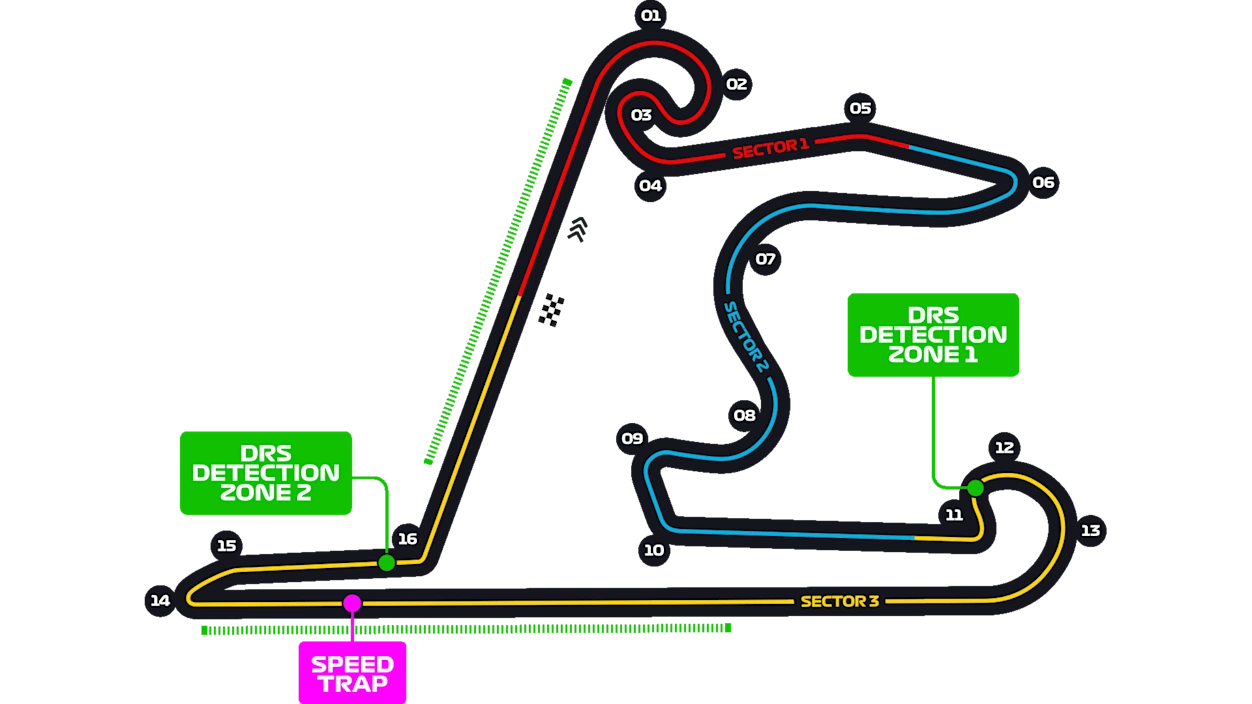
2


4
5
6
7
ROUND 2: 🇨🇳 China
FORMULA 1 HEINEKEN CHINESE GRAND PRIX 2026
Weekend Schedule
Click here to view the schedule in your local timezone
- Practice 1: Friday, 04:30 CET | 03:30 UTC
- Sprint Qualifying: Friday, 08:30 CET | 07:30 UTC
- Sprint: Saturday, 04:00 CET | 03:00 UTC
- Qualifying: Saturday, 08:00 CET | 07:00 UTC
- Race: Sunday, 08:00 CEST | 07:00 UTC
Circuit stats & Tyres
- First Grand Prix: 2004
- Number of laps: 56
- Circuit Length: 5.451 km
- Race Distance: 305.066 km
- Lap record: 1:32.238 Michael Schumacher (2004)
- 2025 Pole: Oscar Piastri (1:30.641)
- 2025 Fastest Lap: Lando Norris (1:35.454)
- 2025 winner: Oscar Piastri
- Pirelli Tyres: C2 (Hard) ⚪, C3 (Medium) 🟡, C4 (Soft) 🔴
Track Map
8
9
Top 3 displayed in image.
Link to join the fantasy league: https://fantasy.formula1.com/en/leagues/join/P7T91QU0C01
Round 1 Australia leader: Must Be The Sweat
Overall leader: Must Be The Sweat

10
11
12
13
ROUND 2: 🇨🇳 China
FORMULA 1 HEINEKEN CHINESE GRAND PRIX 2026
Weekend Schedule
Click here to view the schedule in your local timezone
- Practice 1: Friday, 05:30 CET | 04:30 UTC
- Sprint Qualifying: Friday, 09:30 CET | 08:30 UTC
- Sprint: Saturday, 05:00 CET | 04:00 UTC
- Qualifying: Saturday, 09:00 CET | 08:00 UTC
- Race: Sunday, 09:00 CEST | 07:00 UTC (Note: Daylight saving time starts)
Circuit stats & Tyres
- First Grand Prix: 2004
- Number of laps: 56
- Circuit Length: 5.451 km
- Race Distance: 305.066 km
- Lap record: 1:32.238 Michael Schumacher (2004)
- 2025 Pole: Oscar Piastri (1:30.641)
- 2025 Fastest Lap: Lando Norris (1:35.454)
- 2025 winner: Oscar Piastri
- Pirelli Tyres: C2 (Hard) ⚪, C3 (Medium) 🟡, C4 (Soft) 🔴
Track Map
14
ROUND 2: 🇨🇳 China
FORMULA 1 HEINEKEN CHINESE GRAND PRIX 2026
Weekend Schedule
Click here to view the schedule in your local timezone
- Practice 1: Friday, 05:30 CET | 04:30 UTC
- Sprint Qualifying: Friday, 09:30 CET | 08:30 UTC
- Sprint: Saturday, 05:00 CET | 04:00 UTC
- Qualifying: Saturday, 09:00 CET | 08:00 UTC
- Race: Sunday, 09:00 CEST | 07:00 UTC (Note: Daylight saving time starts)
Circuit stats & Tyres
- First Grand Prix: 2004
- Number of laps: 56
- Circuit Length: 5.451 km
- Race Distance: 305.066 km
- Lap record: 1:32.238 Michael Schumacher (2004)
- 2025 Pole: Oscar Piastri (1:30.641)
- 2025 Fastest Lap: Lando Norris (1:35.454)
- 2025 winner: Oscar Piastri
- Pirelli Tyres: C2 (Hard) ⚪, C3 (Medium) 🟡, C4 (Soft) 🔴
Track Map
15


22
19
Ferrari to run innovative ‘flip-flop’ (Macarena) wing in FP1 at the Chinese Grand Prix
(www.formula1.com)
23


view more: next ›