this post was submitted on 17 Jun 2026
24 points (87.5% liked)
Climate
8737 readers
47 users here now
Discussion of climate, how it is changing, activism around that, the politics, and the energy systems change we need in order to stabilize things.
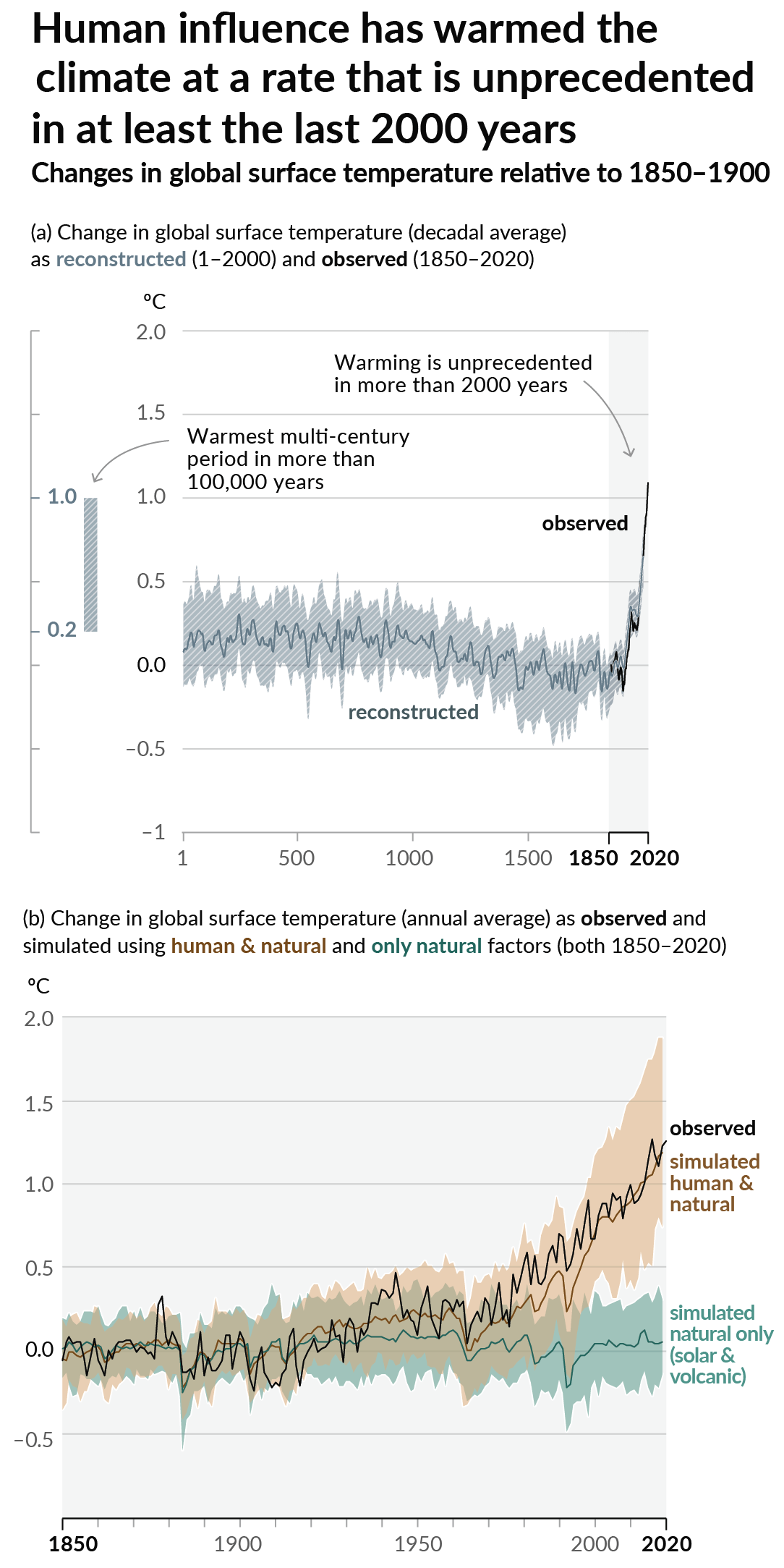
As a starting point, the burning of fossil fuels, and to a lesser extent deforestation and release of methane are responsible for the warming in recent decades:
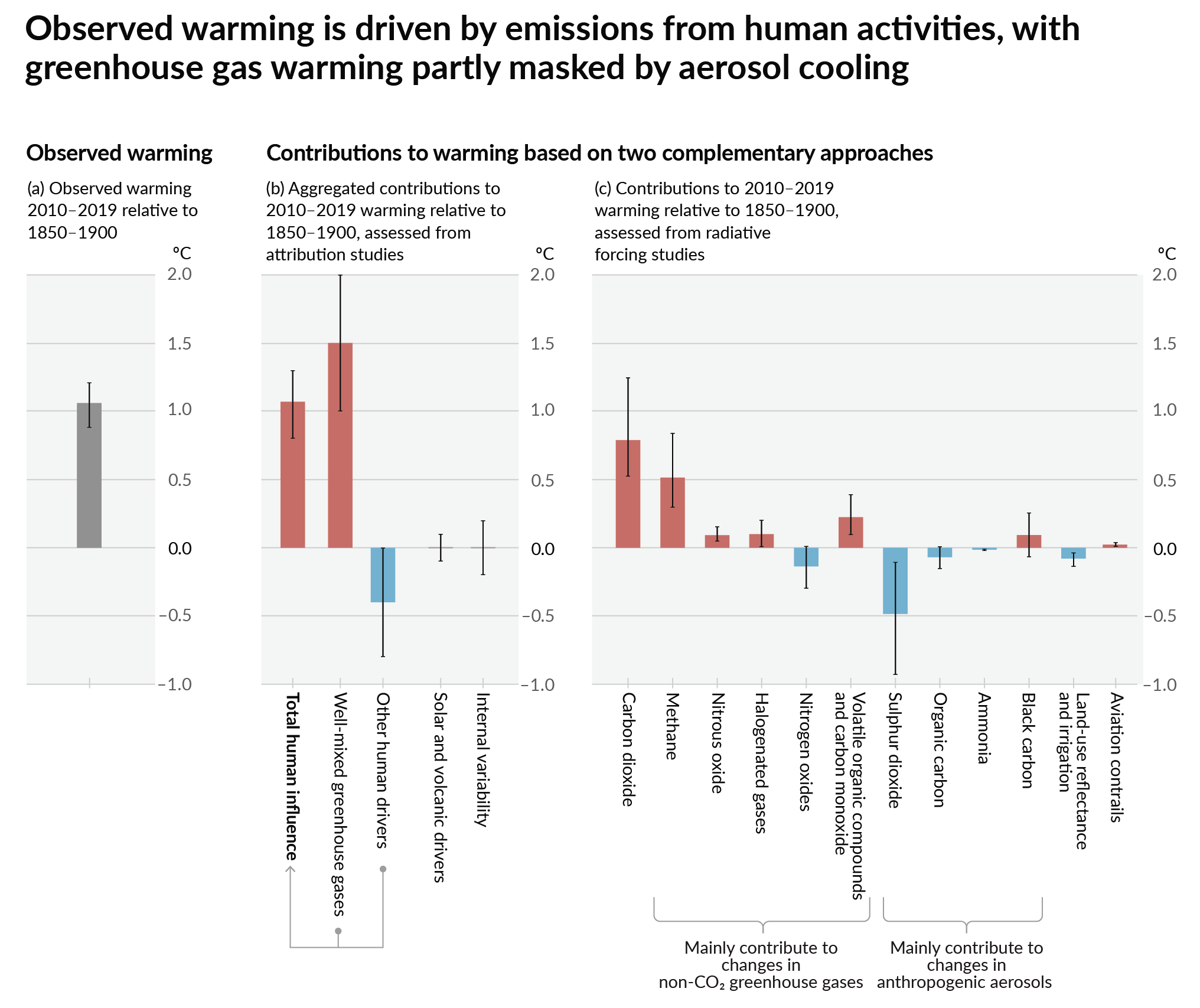
How much each change to the atmosphere has warmed the world:
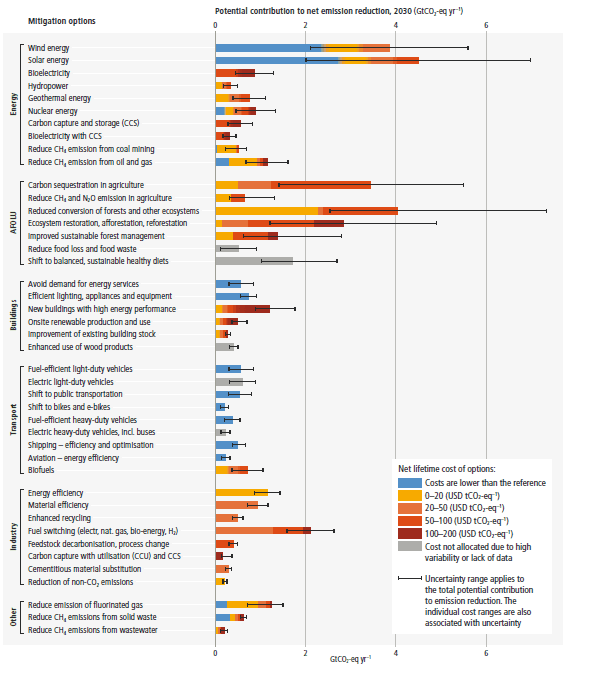
Recommended actions to cut greenhouse gas emissions in the near future:
Anti-science, inactivism, and unsupported conspiracy theories are not ok here.
founded 3 years ago
MODERATORS
you are viewing a single comment's thread
view the rest of the comments
view the rest of the comments
@silence7 no, no we don’t.
We know it can have localized impacts that move the problem around and make it worse for others, which makes trying to implement it in an uncoordinated manner, particularly without a computer model driving the plan, a dick move
Volcano sulfur emissions are well known and the same thing from shipping emissions.
@Einskjaldi @silence7 sulfate aerosols cause acid rain, respiratory irritation, and can even cause severe cardiopulmonary diseases leading to premature deaths.
But even if we could find some reflective aerosol that isn't toxic, computer models of SRM/geoengineering have shown frightening negative side effects including slowed global circulation leading to an uneven temperature gradient that would disrupt the jetstream, leading to increased atmospheric blocking in the form of stagnant high-pressure systems that lock in hot air for extended periods a.k.a. "heat domes" and effectively exacerbating some of the worst problems the climate crisis is already causing
https://news.mit.edu/2020/reflecting-sunlight-cool-planet-storm-0602
It looks like the article you linked discussing the potential effect aerosols have on storms and the heat gradients don't really change in the northern hemisphere with or without the aerosols. The southern there is a slight change but I'm not sure what conclusions can be made from that. They also are assuming either quadrupling or doubling of current CO2 levels which doesn't sound realistic considering renewables and batteries are either cheaper or at price parity in many situations and only getting cheaper by comparison. With most of transportation, energy generation, industrial heat, and space heating greatly reducing their carbon footprint in the next 5-10 years I don't see us doubling our CO2 concentration. Does SO2 cause problems yeah, but in the low concentrations that it would be at and in the upper atmosphere where it would spend less time raining down to earth it's better than the alternative. Are there possible strategies of releasing aerosols in certain locations to minimize the negative externalities idk but that's why the research needs to be done.