this post was submitted on 07 Feb 2026
125 points (97.7% liked)
Climate
8263 readers
229 users here now
Discussion of climate, how it is changing, activism around that, the politics, and the energy systems change we need in order to stabilize things.
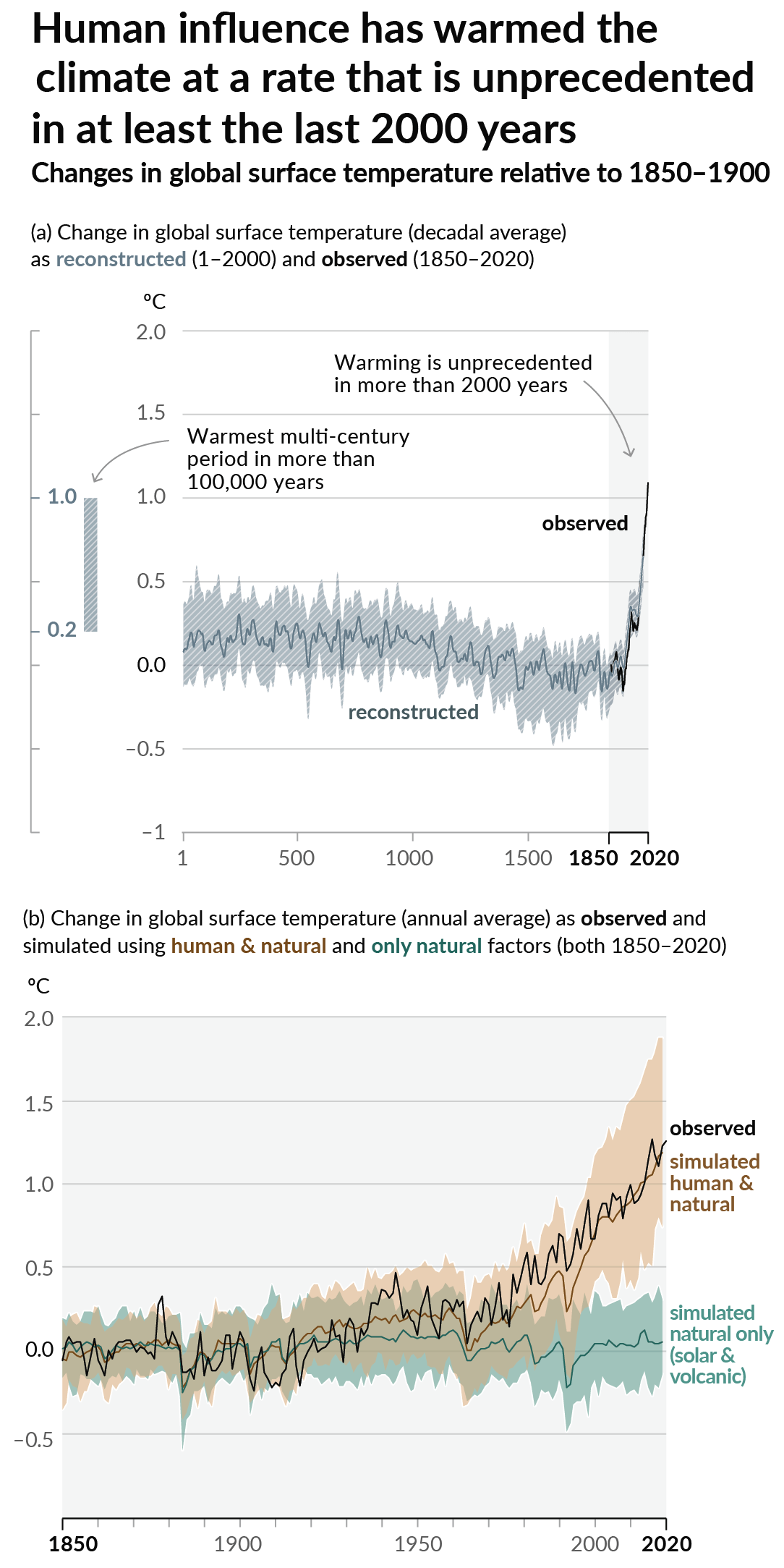
As a starting point, the burning of fossil fuels, and to a lesser extent deforestation and release of methane are responsible for the warming in recent decades:
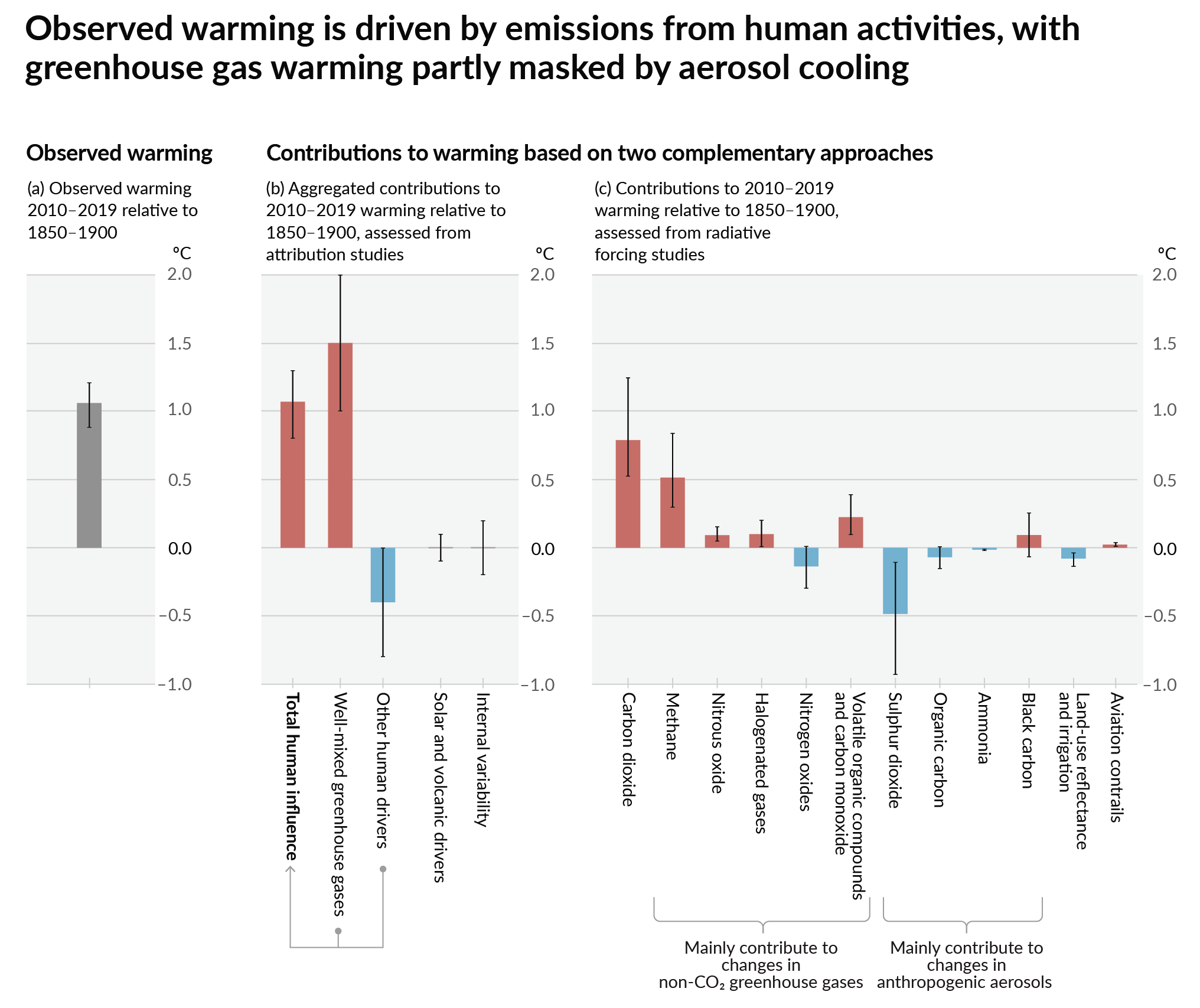
How much each change to the atmosphere has warmed the world:
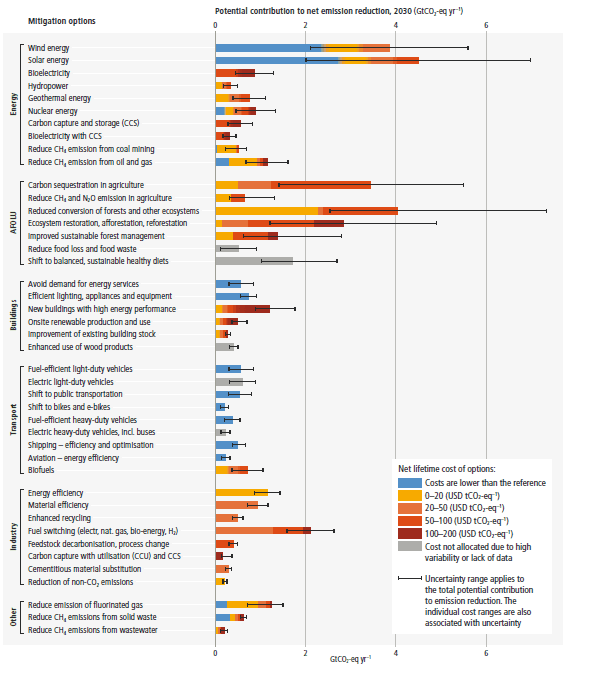
Recommended actions to cut greenhouse gas emissions in the near future:
Anti-science, inactivism, and unsupported conspiracy theories are not ok here.
founded 2 years ago
MODERATORS
you are viewing a single comment's thread
view the rest of the comments
view the rest of the comments
For cost and emissions, I think the nascent field hasn't matured correctly.
The insect farms I see are farms out in rural areas where they truck in feed and truck out protein. A better model would be urban light industrial, where a city can divert grocery store spoiled vegetables to the urban insect farm. Just a few collection points and short distance for big payloads of human food grade waste. Perfect for hungry insects. Easy for an EV truck to do.
Passive house style building with photovoltaics reduces emissions to nearly nil. Insects grown can be processed on site into powders, then further onto food processors with minimal transportation because the entire supply chain is local, and its a waste stream being converted to productive use.
The rural areas are where you run-into the least NIMBY-ism, full-stop. Insect Protein still has a rep in the food and high-brow agriculture world akin to Nuclear Energy or Strip-Mining.
Oh, well if there is nimbyism at play we should just all lie down and accept our fate.
... or just build the stuff where it can be built? Rural≠"Useful for Agriculture", it really doesn't.