this post was submitted on 15 Feb 2026
105 points (97.3% liked)
politics
28867 readers
2197 users here now
Welcome to the discussion of US Politics!
Rules:
- Post only links to articles, Title must fairly describe link contents. If your title differs from the site’s, it should only be to add context or be more descriptive. Do not post entire articles in the body or in the comments.
Links must be to the original source, not an aggregator like Google Amp, MSN, or Yahoo.
Example:
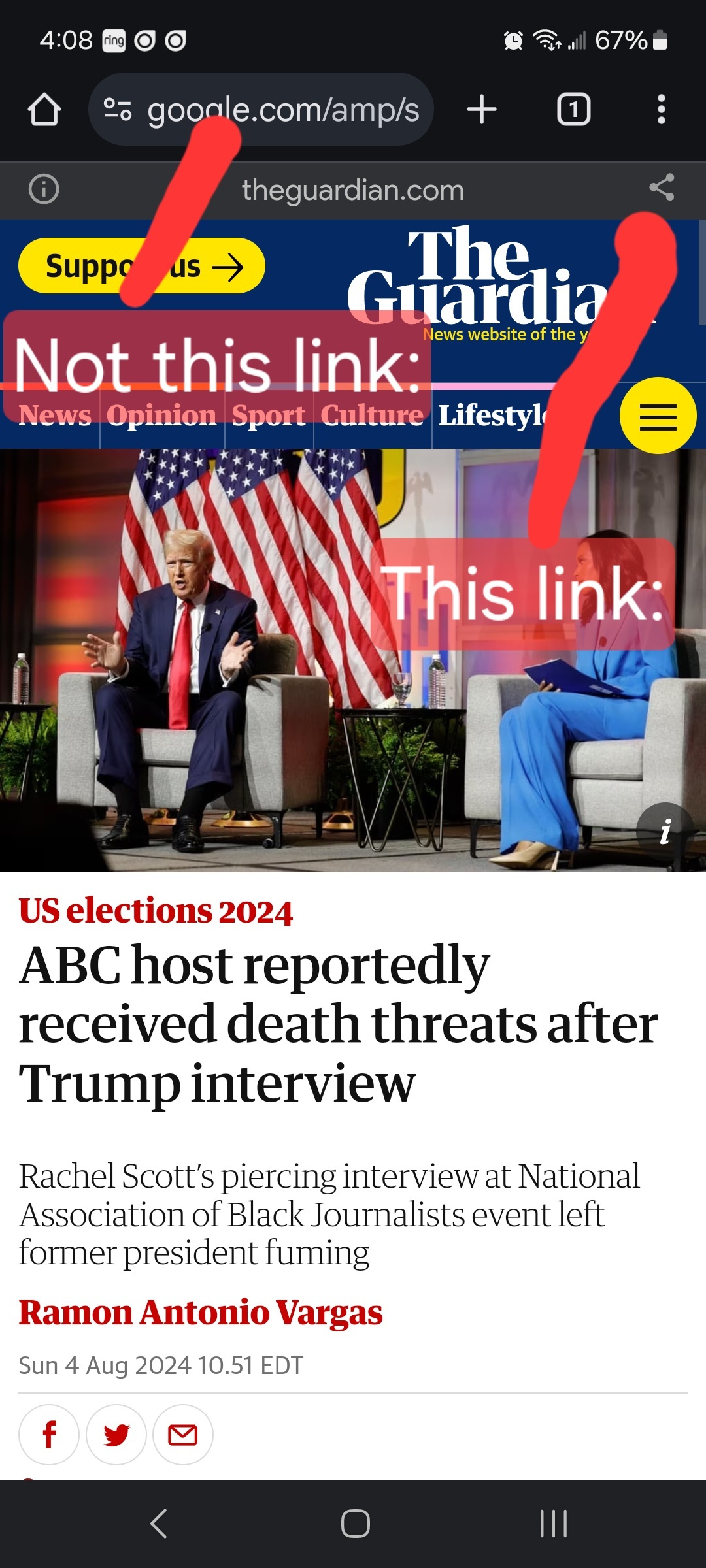
- Articles must be relevant to politics. Links must be to quality and original content. Articles should be worth reading. Clickbait, stub articles, and rehosted or stolen content are not allowed. Check your source for Reliability and Bias here.
- Be civil, No violations of TOS.
It’s OK to say the subject of an article is behaving like a (pejorative, pejorative). It’s NOT OK to say another USER is (pejorative). Strong language is fine, just not directed at other members. Engage in good-faith and with respect! This includes accusing another user of being a bot or paid actor. Trolling is uncivil and is grounds for removal and/or a community ban.
- No memes, trolling, or low-effort comments.
Reposts, misinformation, off-topic, trolling, or offensive. Similarly, if you see posts along these lines, do not engage. Report them, block them, and live a happier life than they do. We see too many slapfights that boil down to "Mom! He's bugging me!" and "I'm not touching you!" Going forward, slapfights will result in removed comments and temp bans to cool off.
- Vote based on comment quality, not agreement. This community aims to foster discussion; please reward people for putting effort into articulating their viewpoint, even if you disagree with it.
- No hate speech, slurs, celebrating death, advocating violence, or abusive language. This will result in a ban. Usernames containing racist, or inappropriate slurs will be banned without warning
We ask that the users report any comment or post that violate the rules, to use critical thinking when reading, posting or commenting. Users that post off-topic spam, advocate violence, have multiple comments or posts removed, weaponize reports or violate the code of conduct will be banned.
All posts and comments will be reviewed on a case-by-case basis. This means that some content that violates the rules may be allowed, while other content that does not violate the rules may be removed. The moderators retain the right to remove any content and ban users.
That's all the rules!
Civic Links
• Register To Vote
• Citizenship Resource Center
• Congressional Awards Program
• Federal Government Agencies
• Library of Congress Legislative Resources
• The White House
• U.S. House of Representatives
• U.S. Senate
Partnered Communities:
• News
• World News
• Business News
• Political Discussion
• Ask Politics
• Military News
• Global Politics
• Moderate Politics
• Progressive Politics
• UK Politics
• Canadian Politics
• Australian Politics
• New Zealand Politics
founded 2 years ago
MODERATORS
I think this way of thinking is massively flawed. I really hate this idea that economic "progress" must necessarily mean making and building fewer things, and instead "delivering services."
One, "delivering services" often means charging rents, meaning you're moving from an economy that creates real value to an economy that extracts rents. A rents and service fee economy isn't really an economy, it's just a machine that creates inflation.
Two, no matter how far your economy moves up the "ladder of success," people are always going to need material goods. Houses can't be built of financial services and food can't be grown on spreadsheets. We need real stuff to have a real economy. So what this means is that the "graduated" economies must become net importers of real, physical stuff, and/or net importers of poor people to do the work here that can't be as easily moved to another country. We must therefore become dependent on other nations to make the stuff we need. How can a nation maintain its independence if it is completely dependent on other nations for all of its vital products? That's not an independent nation, that's a vassal state.
Three, all of this assumes that there will always be countries in the world who never "graduate" to our economic level, otherwise who would make everything? But isn't the idea for every country to strive to reach our level of "success?" If so, who will make all the stuff when most of the world's population is rich, working white collar jobs? Martians? And doesn't this create an incentive for us to try and keep at least some countries poor so they can supply us with the cheap goods and migrant labor we need?
Real economies make things and create real value, they don't just move money around and charge rents. People don't just stop needing material goods once they get rich enough, and someone has to make and build that stuff, it might as well be us. Otherwise, if we come to rely on other people to make our stuff, we lose our independence and our ability to be self sufficient. That's not the road to "economic success," that's the road to economic ruin.
Articles like this are really just propaganda (wishful thinking) trying to soften the blow of Baumol's Cost Disease:
https://en.wikipedia.org/wiki/Baumol_effect
Industries that benefit heavily from automation reduce costs over time. Industries that rely heavily on services (that require people to perform them) increase costs over time.
If you can somehow convert a big chunk of your economy into services from automated production, you can smooth out the difference in that economic curve. In theory, that means the rich (capitalists) can continue to get richer while everyone else's salaries flatten out.
It's total bullshit. The only logical end result of such a situation is the rich getting eaten sooner rather than later.
Smart rich people are (right now) lobbying to get their taxes increased to pay for a better social safety net. Stupid rich people are lobbying for bullshit like converting everything into a subscription economy.