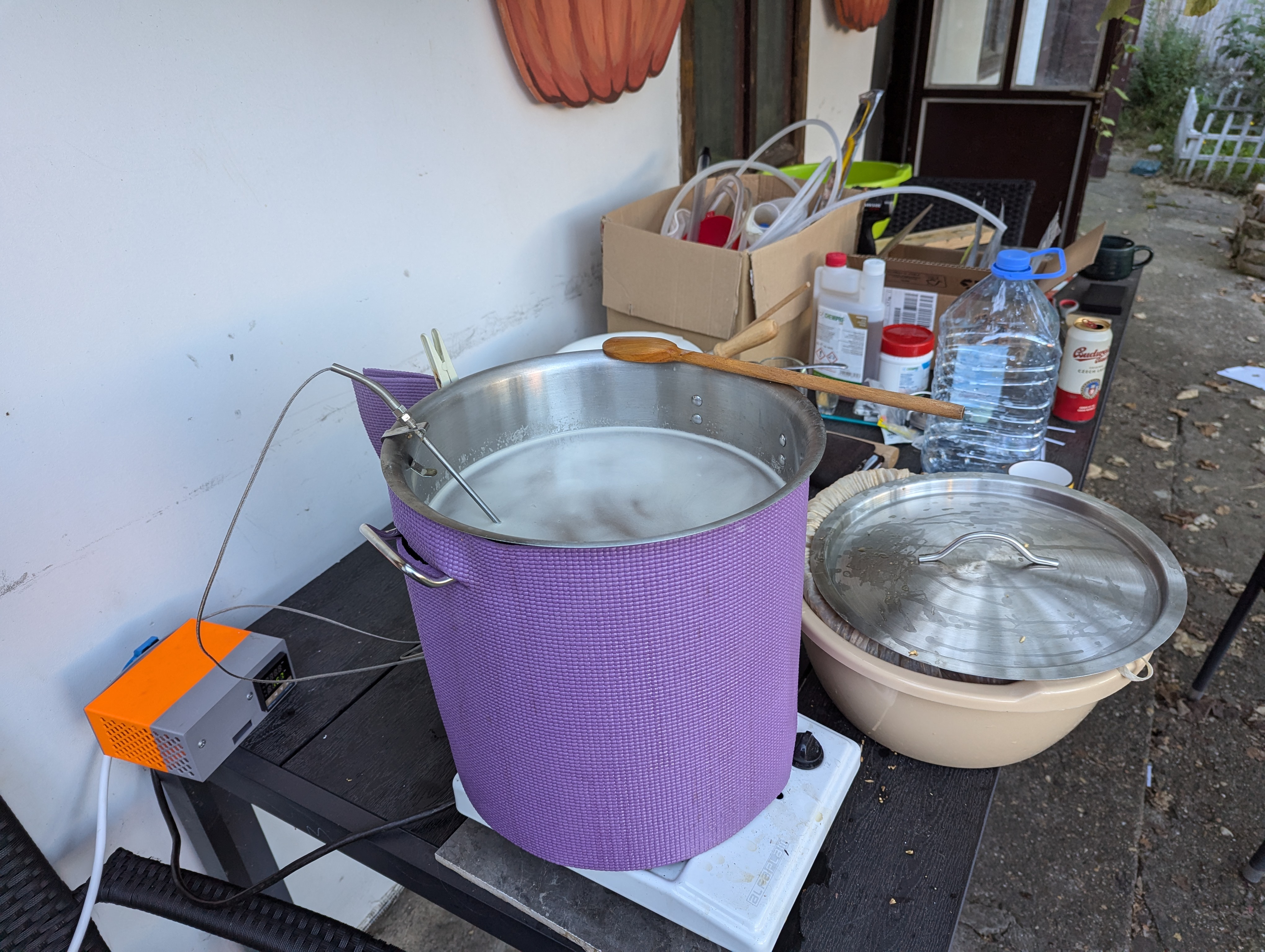
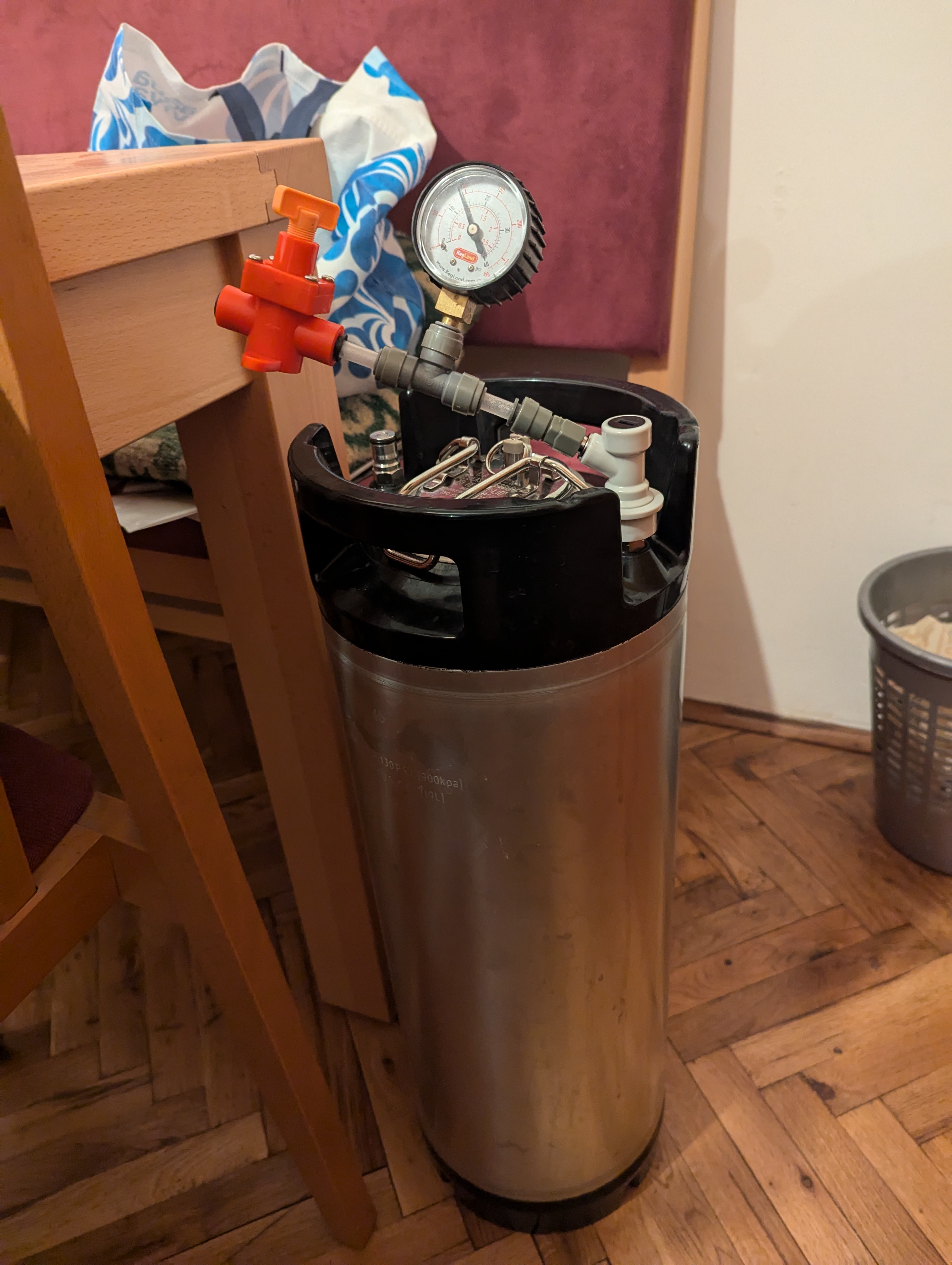
Hi, made this Marzen beer to throw an October party inspired by Oktoberfest. It's a pseudomerzen, since I'm using lutra kveik for speed and less fuss. It's almost done fermenting in less than a week.
Well, everyone knows only main boards have a serial number, so you need a permit for that. But the rest is a spare part, you can get it freely.
/s
Oh, great, my country is in the news again. Oh, wait, it's bad news, again. Here's some better news: the students have blocked all the universities and other people are joining the protests in hopes of overthrowing the authoritarian regime. The corruption has reached peak levels and is actually killing people. The government is doing it's best to stay in power, but no real, mass violence has been applied just yet. People have given up on elections because they are demonstrably fixed and can't change anything. I don't know how this will end.
You don't buy from TSMC, but from Intel. Also, AMD also uses TSMC, they didn't have such problems recently.
Are they any close? Seems like they've been doing it for ages and they aren't close.
In Futurama, they renamed it to Urectum :)
Agree, it didn't do anything to avoid the obstacle. A human could probably see it as an obstacle and try to swerve to the side, albeit not knowing what it is. Not saying it's possible to avoid, but some reaction would be made.
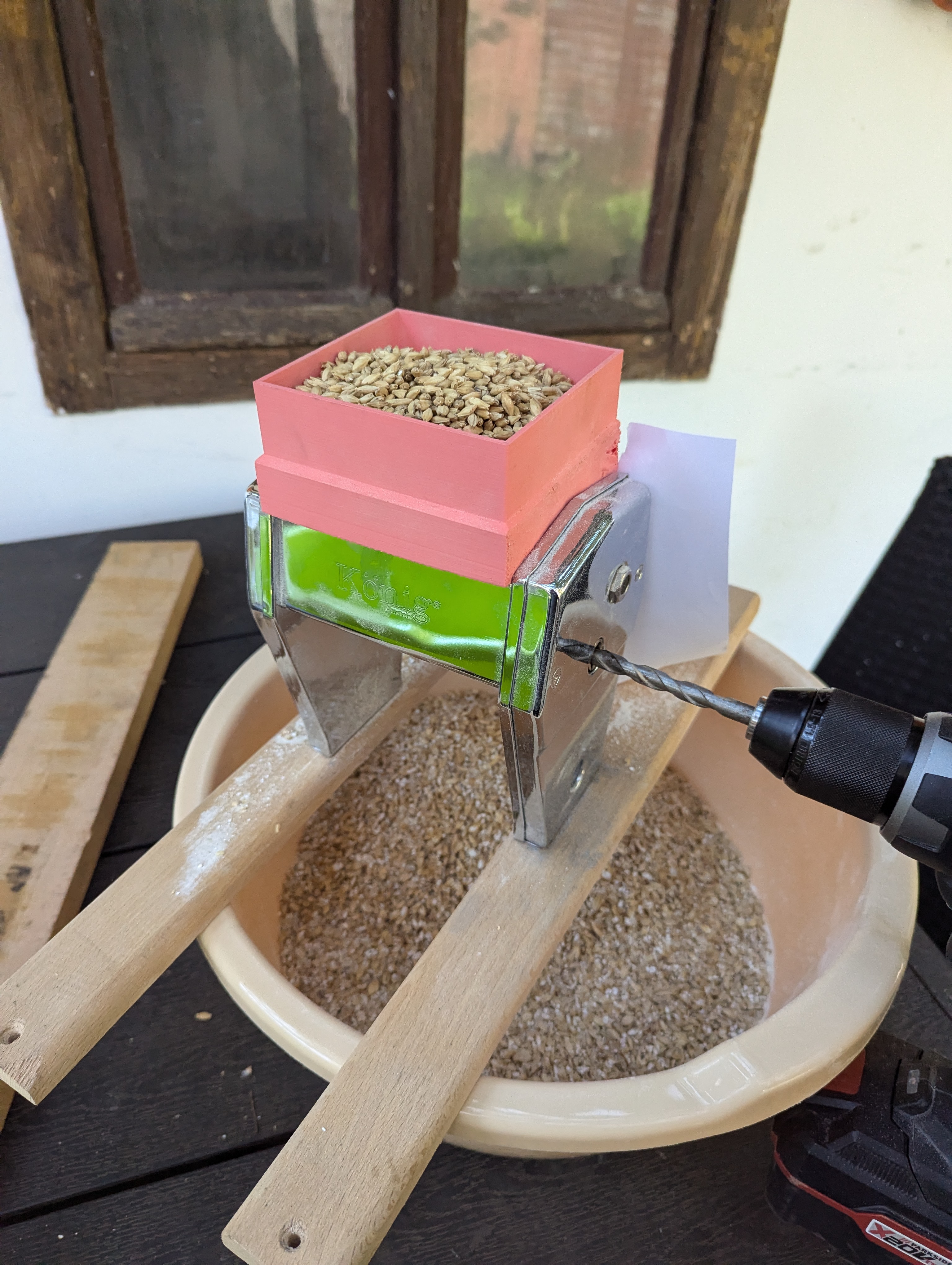
Thanks. The mill is utter trash though, which I modded as much as I could (the pink part is a 3d printed funnel), the wheels are not grippy enough, the knurling isn't deep enough and I end up having to push the grain with my fingers and it's very tedious and slow. I spent an hour milling a 5 kg of grain. It wasn't even finely ground. It's the next thing I'll upgrade, as soon as I find a good brand/model.
Hi, made this Marzen beer to throw an October party inspired by Oktoberfest. It's a pseudomerzen, since I'm using lutra kveik for speed and less fuss. It's almost done fermenting in less than a week.
This looks like heat creep and/or clog. Check the hotend fan (not the part cooling one). If it starts happening after a while, it's either that or the nozzle has cooled too much. But if it happens with lower speed as well, then I wouldn't say it's that it's the latter. Try increasing the temperature. I'm printing mine at 270°C. Also I keep the bed at 70°C but that's not important. I've had issues like that with bad conducting nozzles (hardened/stainless steel) and thermistors not properly seated on the heat block. When this happens, pause the print, try feeding the filament by hand and see if there is any resistance (can you feel the clog). Try increasing the temperature, reduce the retraction distance to try and avoid it. I'm printing exclusively with petg for years now, never had issues like this due to moisture. You get more stringing, yes, but no failures on actual printing.
You're completely right, I forgot about that method. I've used it in the past, it works great and is far more controllable and safe.
True, I've seen many molten rolls of filament because of overly warm ovens. Make sure it doesn't go over 60C and you're good. Mine is good, has a little overshoot when heating up, but if you let it warm up first and then put the filament, it generally stays very close to 60C. I havent had problems. Other ovens - be careful. Food dehydrator is better, but if you don't have it, you may as well buy an actual filament dryer. Desicant beads didn't work for me. They do the trick of maintaining the dryness, but if you have ANY built up moisture in your filament, the beads won't do much.
A little mini torch, similar to a regular gas lighter also can work wonderfully.
I use cura on Ubuntu without issues, the appimage version. I did also try prusa/super slicer not too long ago and it worked without issues as well.