117
Germany's coal exit quietly progressing, likely completed by 2032 – researcher
(www.cleanenergywire.org)
Discussion of climate, how it is changing, activism around that, the politics, and the energy systems change we need in order to stabilize things.
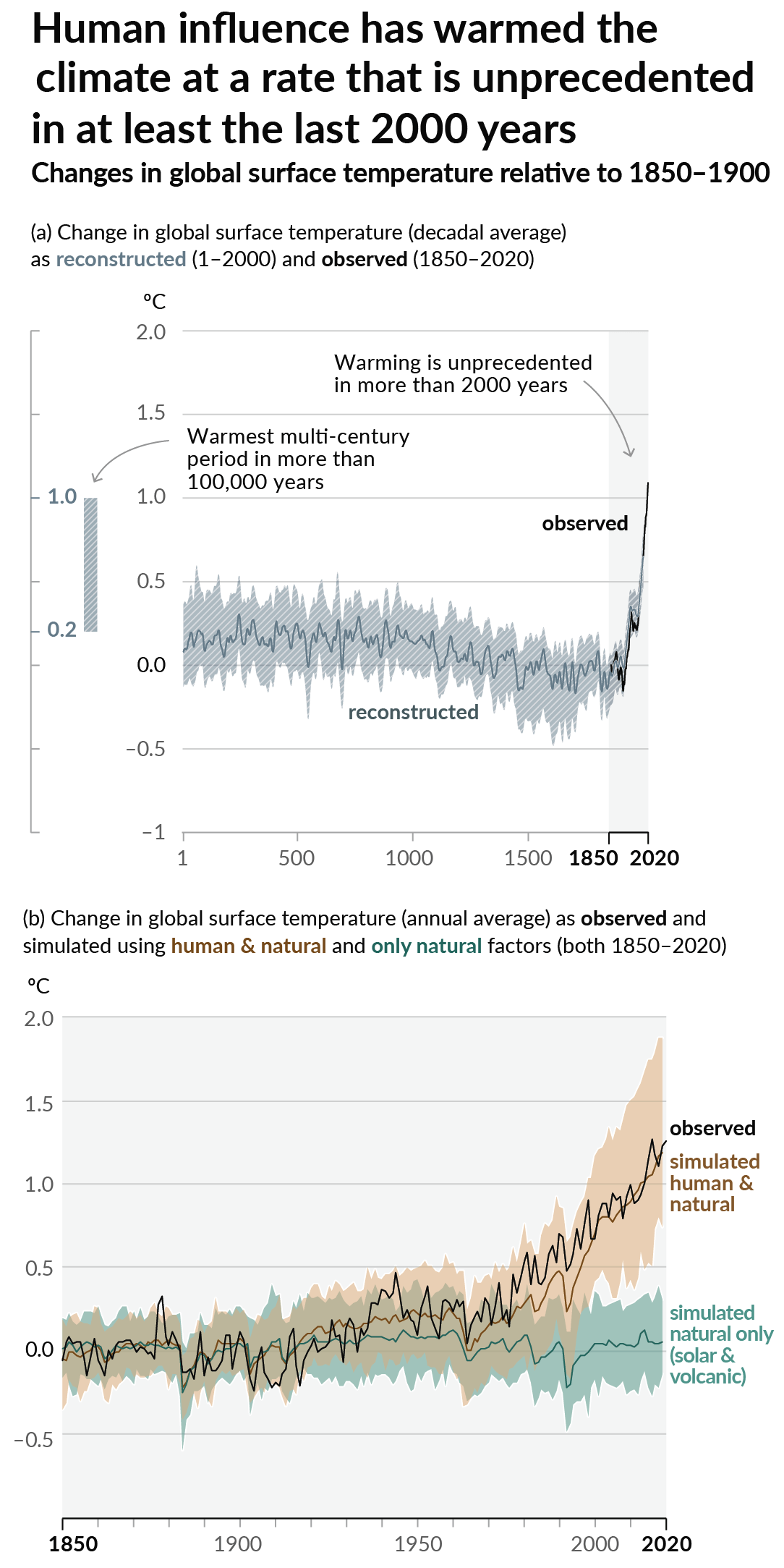
As a starting point, the burning of fossil fuels, and to a lesser extent deforestation and release of methane are responsible for the warming in recent decades:
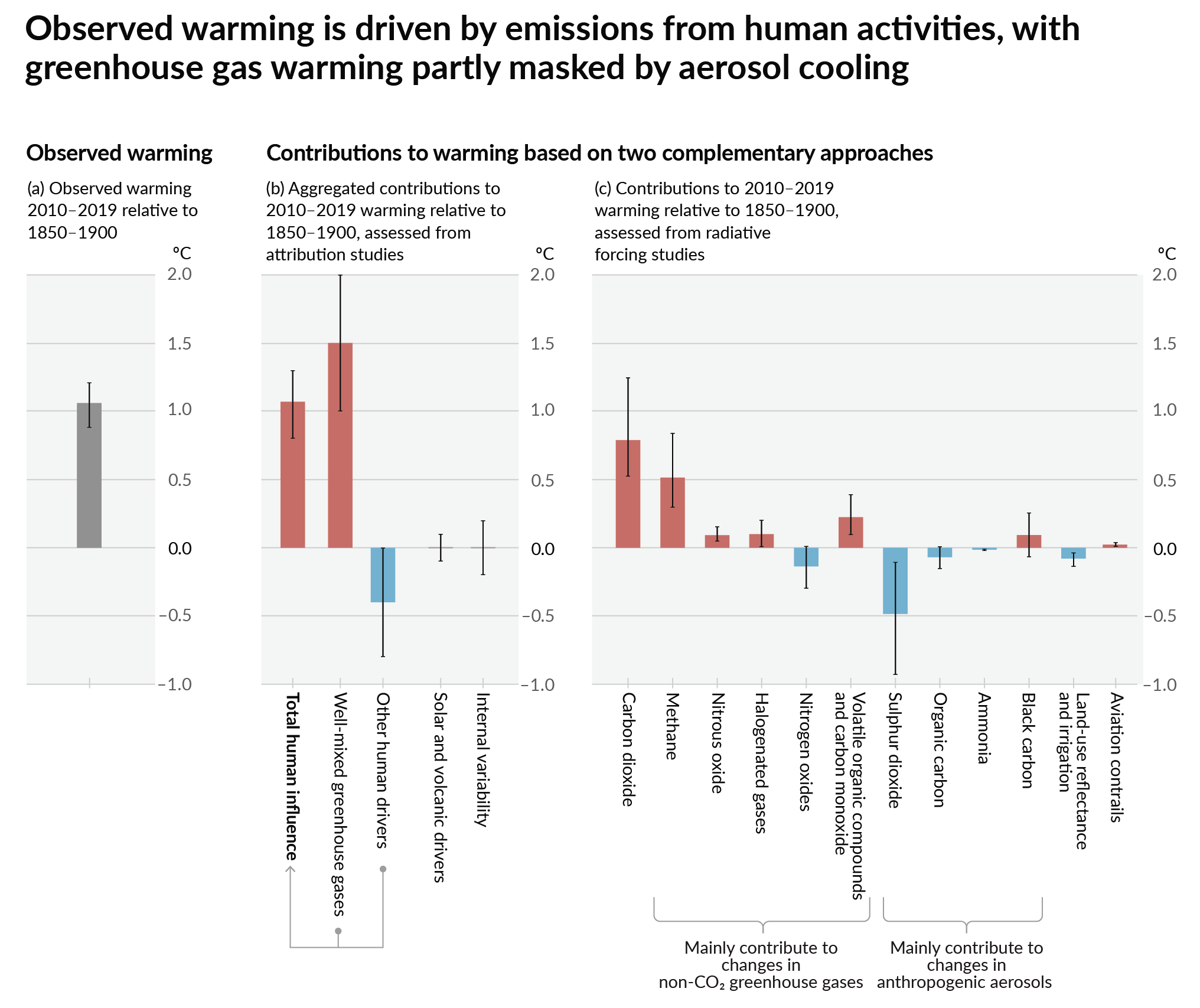
How much each change to the atmosphere has warmed the world:
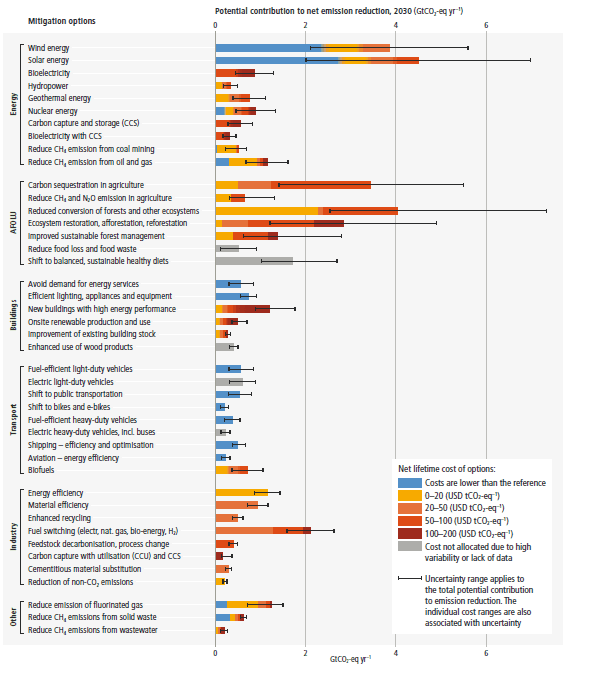
Recommended actions to cut greenhouse gas emissions in the near future:
Anti-science, inactivism, and unsupported conspiracy theories are not ok here.
Nuclear can't be used for that either way. Nuclear power plants are notoriously expensive, so they need to run at a constant 100% output to be remotely economically viable. That means you can't just dial them up to fill a gap in renewables since they already are at max output.
Even if we ignore economic concerns, the old reactors we had weren't build to operate in load following mode, meaning you couldn't just ramp their output up/down if you wanted to. New reactors are often build with that capability in mind, but that would've required pretty much a full rebuild of the reactor chamber and the control system. With the already required maintenance it would've been easier to just build a new reactor at that point.
If the two options are a new nuclear reactor or investment in renewables, than the latter option is faster, more reliable and cheaper. The gaps in renewables could easily be solved with more water reservoirs and battery stations as power storage. The main problem is that germany, like always, introduced so many diplomatic hurdles in the process that no one wants to do it. You can thank our totally not corrupt politicians for that.
Yep, Nuclear is all you listed above. But OTOH they are reliable and predicatable 24/7.
You sure? Nuclear is reliable, renewables aren't because they depend on weather.
"Easily". Besides corruption, the sheer amount of energy storage required is enormous, there are nowhere enough batteries available nor pumped storage hydropower. Perhaps in the future where sodium and other batteries appear in mass production, but not today.
Edit: also you can't look at average consumption but at peak daily consumption which might be quite higher during winter than summer.