this post was submitted on 06 Mar 2026
1336 points (99.3% liked)
Climate
8407 readers
1388 users here now
Discussion of climate, how it is changing, activism around that, the politics, and the energy systems change we need in order to stabilize things.
As a starting point, the burning of fossil fuels, and to a lesser extent deforestation and release of methane are responsible for the warming in recent decades:
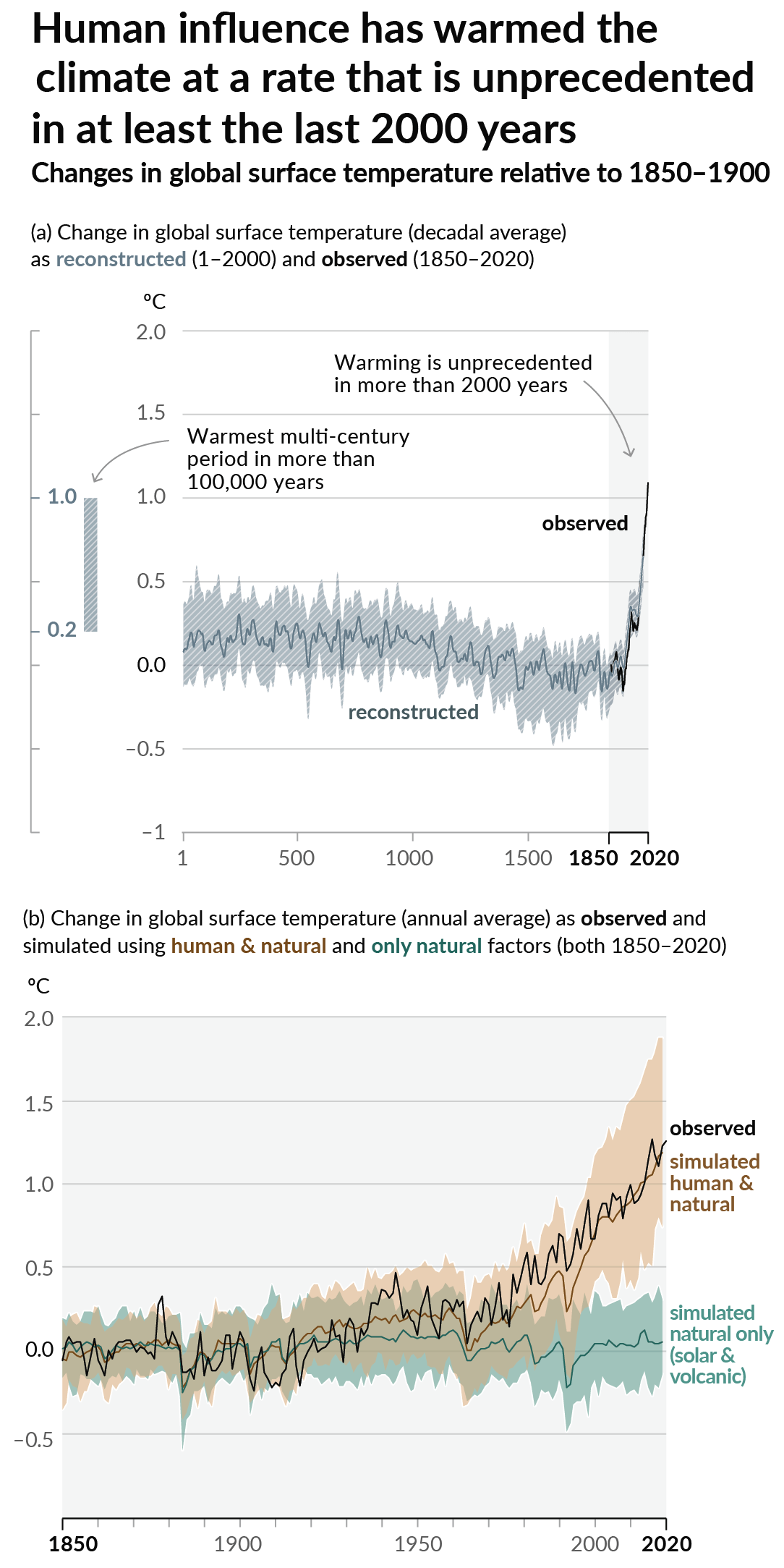
How much each change to the atmosphere has warmed the world:
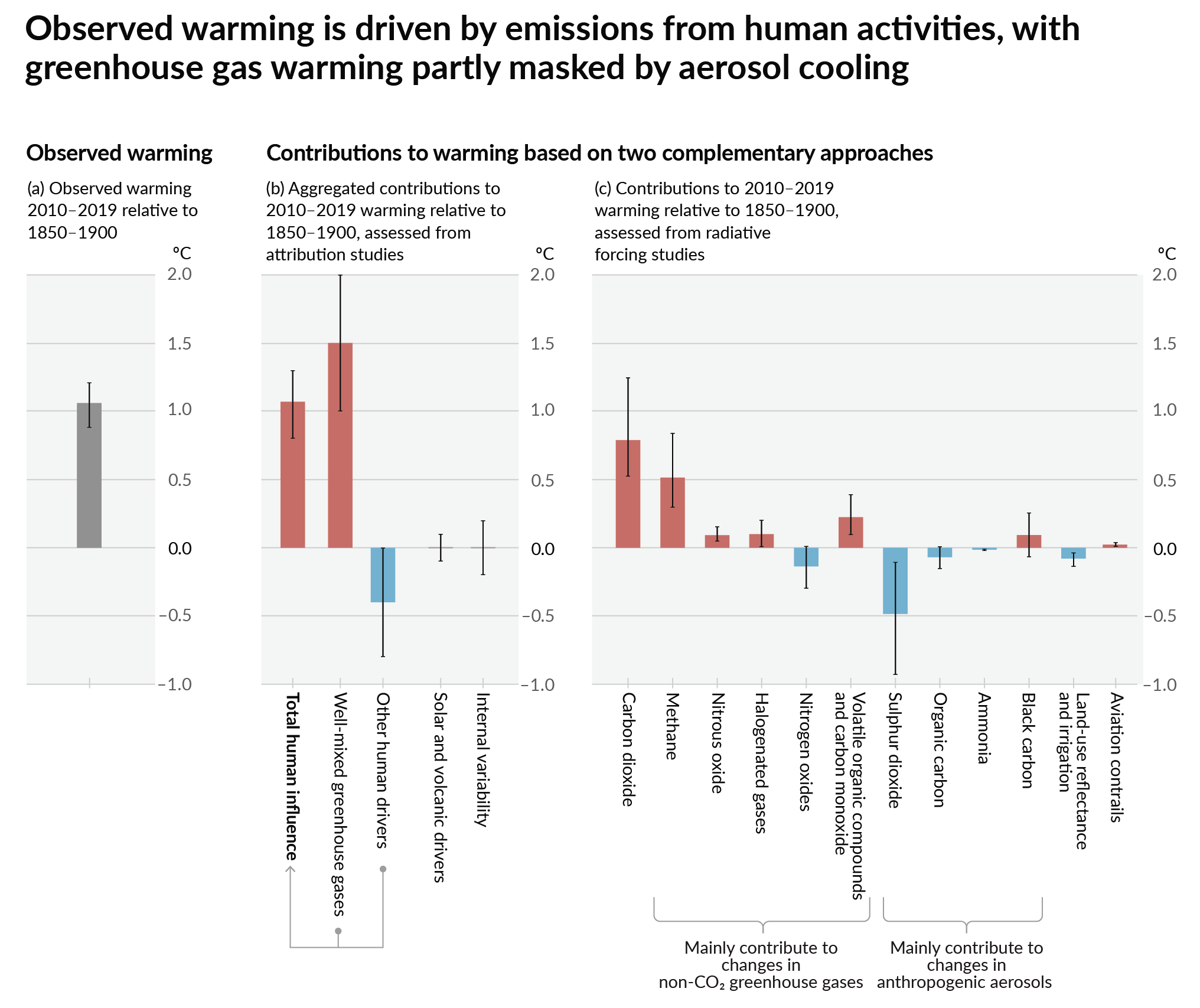
Recommended actions to cut greenhouse gas emissions in the near future:
Anti-science, inactivism, and unsupported conspiracy theories are not ok here.
founded 2 years ago
MODERATORS
you are viewing a single comment's thread
view the rest of the comments
view the rest of the comments
Ok sorry I will be that guy.
At the outset, let me say renewables are the end goal and the best outcome.
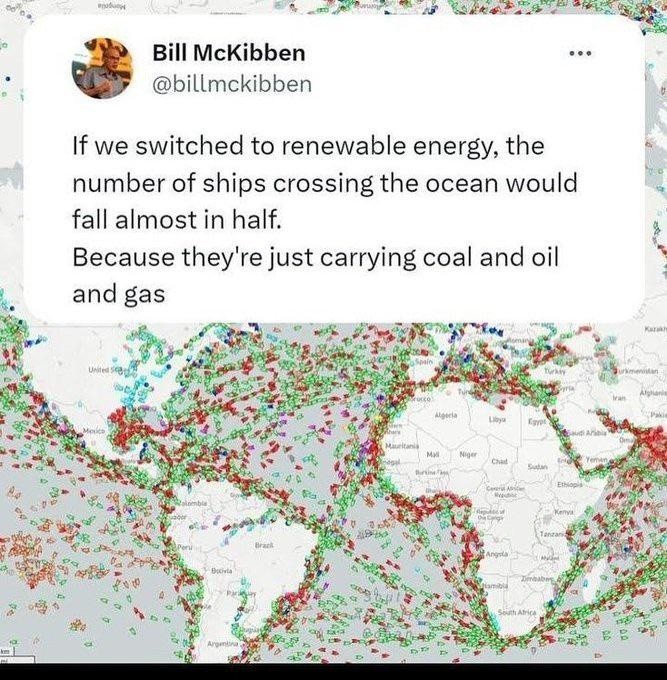
That said there are a number of problems with this approach. This chart doesn't define what 40% it's talking about. Which is actually impossible because metrics in shipping are considered different for different types of ships and trade. I assume this map/post/thing about deadweight tons (DWT), which is the metric you judge liquid and sold bulk goods. For containers it's TEU (twenty foot equivalent units), for offshore vessels it is often but not always bollard pull, for cruise ships its passenger to crew ratio, etc.
Also the original poster may be referring to total tonnage by metric X (dwt, displacement, raw number of ships) or some other unknown metric)
But let's assume this is a good faith argument. In terms of bulk commodities, it is probably true that nearly half the fleet by deadweight is shipping coal, crude, refined products, LNG/LPG. But that is an effect of the size of ships one uses to transport such commodities - they are always very big ships even though there are far more many smaller ships in terms of raw numbers.
And in any case the problem is demand. If people want cheap shit from China and cheap oil from the Gulf, someone is going to ship it. Renewables are the way forward, but if you want to transport a lot of stuff or a lot of people that you cannot transport by rail, planes and ships are the answer. No other source has the energy density of petroleum to ship stuff.
Somewhat ironically, per ton-mile (i.e., how much stuff you can carry per mile), shipping is by FAR the most efficient way in terms of energy consumed. The pollution from ships is horrible, even changing certain weather patterns in the N Pacific, but as long as we have the demand, it will exist.