this post was submitted on 06 Mar 2026
1202 points (99.3% liked)
Climate
8395 readers
1497 users here now
Discussion of climate, how it is changing, activism around that, the politics, and the energy systems change we need in order to stabilize things.
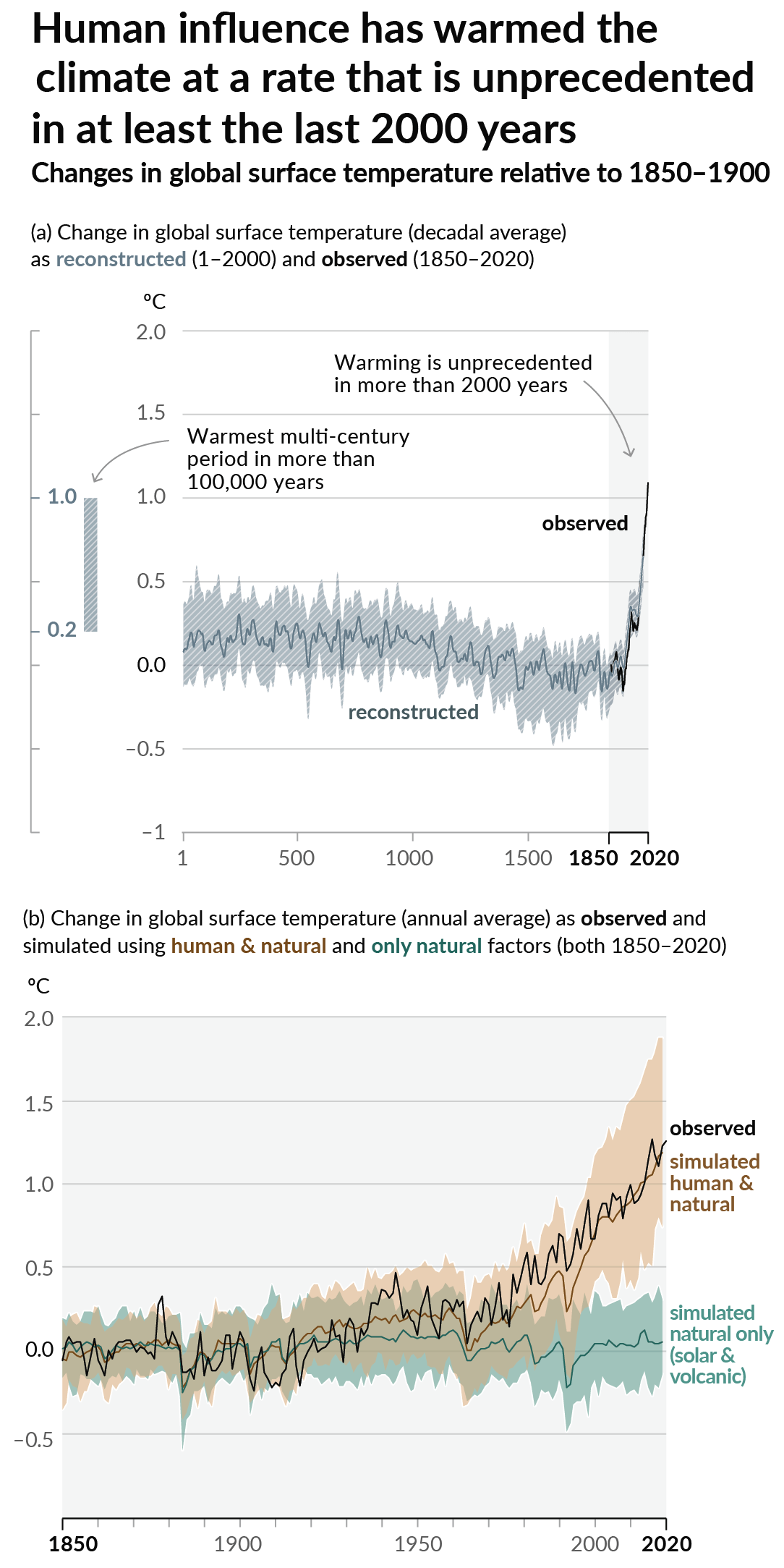
As a starting point, the burning of fossil fuels, and to a lesser extent deforestation and release of methane are responsible for the warming in recent decades:
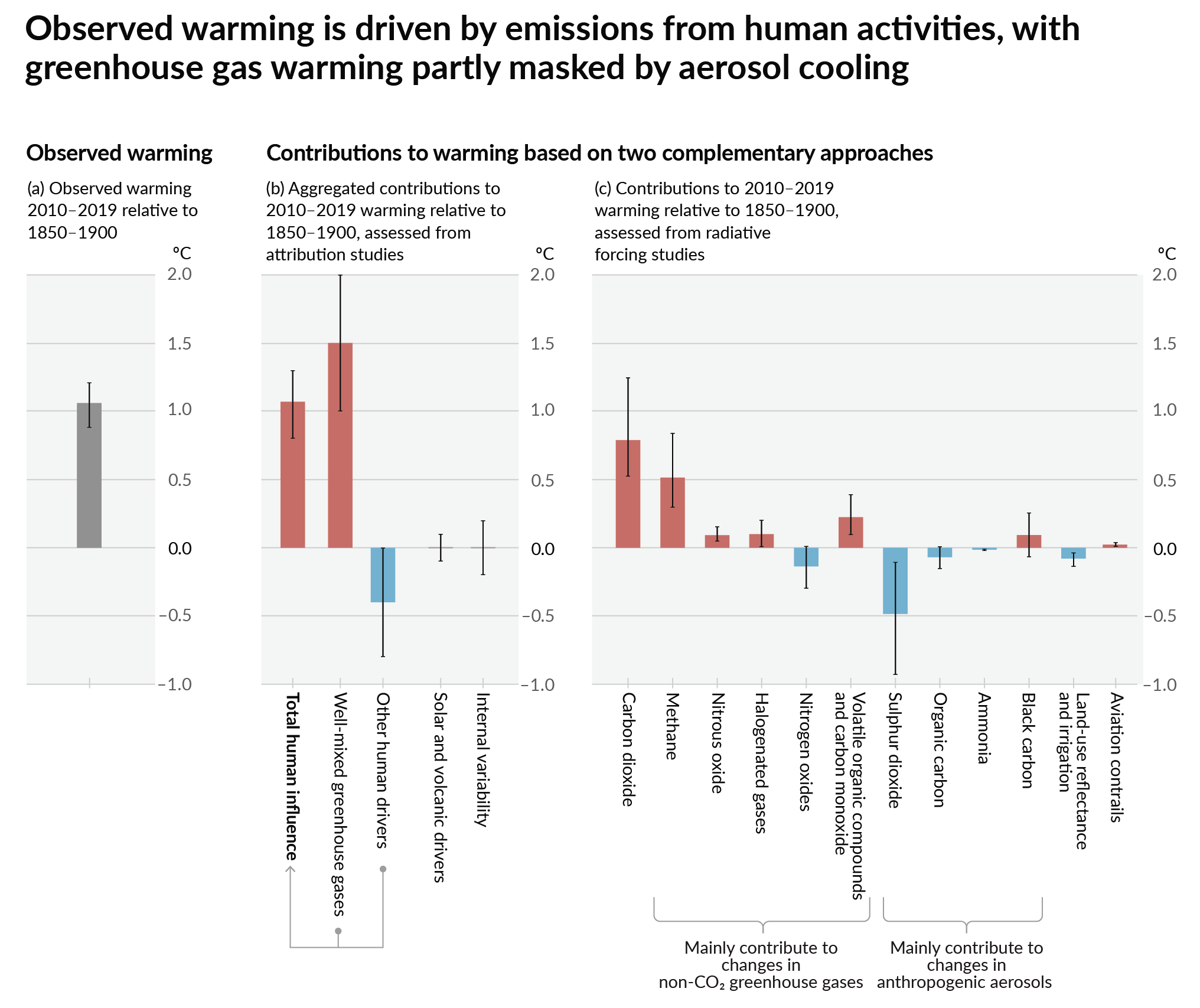
How much each change to the atmosphere has warmed the world:
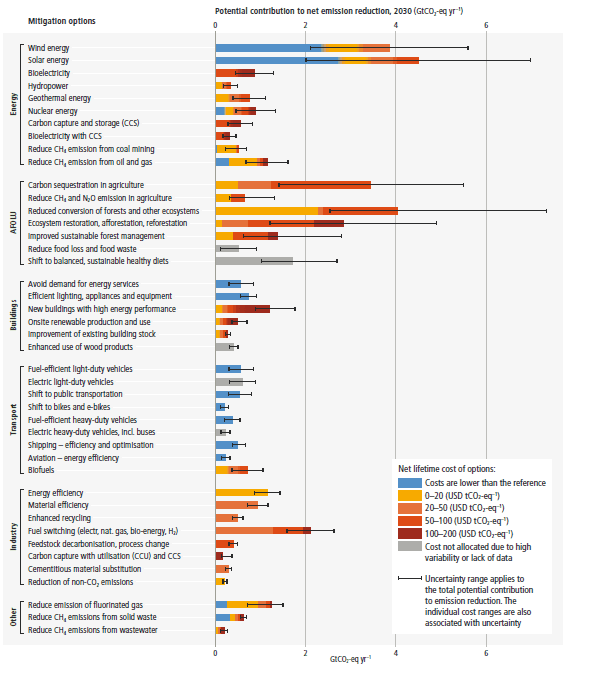
Recommended actions to cut greenhouse gas emissions in the near future:
Anti-science, inactivism, and unsupported conspiracy theories are not ok here.
founded 2 years ago
MODERATORS
you are viewing a single comment's thread
view the rest of the comments
view the rest of the comments
Hydrogen is coal with extra steps. It takes a lot of energy to make hydrogen
Offshore wind and onshore solar excess can be used to produce hydrogen, not coal.
It takes extra steps and introduces inefficiencies, but it is able to store larger amounts of energy than batteries, and can be used in certain industrial processes which do not run on wires and electrons.
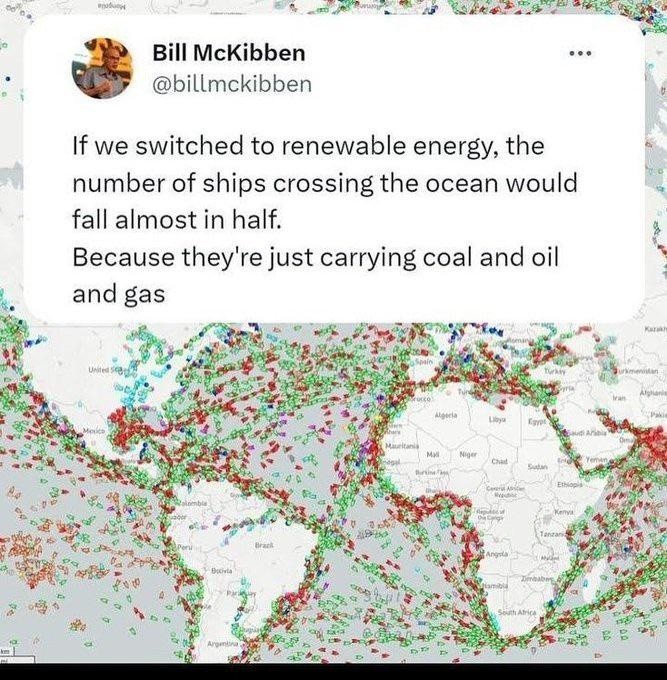
In a succesfully electrified world, it is likely that some ammonia and hydrogen is shipped around the world for such use cases. The main alternative is to keep using fossils.