
dat_math

joined 4 years ago
MODERATOR OF
[–] dat_math@hexbear.net 3 points 1 week ago* (last edited 1 week ago)

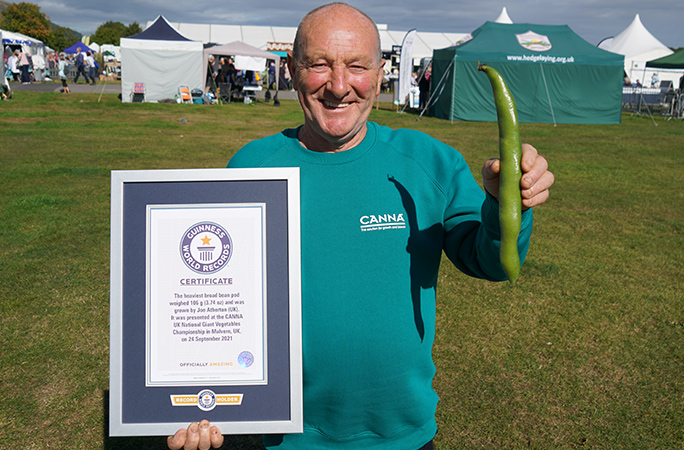
now that's a beanis with girth

[–] dat_math@hexbear.net 10 points 1 week ago (1 children)

LONG BEANIS

long beanis

LONG BEANIS

[–] dat_math@hexbear.net 4 points 1 week ago* (last edited 1 week ago)
[–] dat_math@hexbear.net 7 points 1 week ago

gimme some juice

They built Samaritan

[–] dat_math@hexbear.net 28 points 1 week ago* (last edited 1 week ago)

they just want to enjoy the fading dividends of whiteness without having to think about the growing pile of children's skulls they perch upon

boss-bar-1 boss-bar-2 boss-bar-3

[–] dat_math@hexbear.net 5 points 2 weeks ago

How can anyone look at this and remain a carnist?

[–] dat_math@hexbear.net 11 points 3 weeks ago

our opponents are fucking pakleds

[–] dat_math@hexbear.net 35 points 3 weeks ago (1 children)

. It is baffling to me that whoever plans these attacks could think

Same

[–] dat_math@hexbear.net 5 points 1 month ago

how now brown mao?


N<= 500: ? 500 <= N <= 1000: ?? 1000<= N : ???

This is a bad survey, folks


However, they may have underestimated their foe.

15
submitted 2 months ago* (last edited 2 months ago) by dat_math@hexbear.net to c/badposting@hexbear.net
 

grow :beanisbeanis in the field with your homies image depicts homies out in a field, wearing their labcoats for proper PPE compliance, growing beanis


Highlights

•SARS-CoV-2 causes lasting immune dysregulation for over 20 months.

•The impact of SARS-CoV-2 on lymphocytes was especially severe in patients with CVD.

•Lymphocyte deficiency is related to long COVID pathogenesis.

•Long-term immune dysregulation of long COVID demands tailored treatment.

Abstract

Objectives Growing evidence suggests that lymphocyte subsets are declined in COVID-19 patients, but it is unclear if these alterations persist after widespread exposure to SARS-CoV-2 or how long they last.

Methods We analyzed lymphocyte subset data from 40,537 patients across three phases: pre-COVID, mass infection, and post-COVID. The counts of lymphocyte subsets and CD4+/CD8+ ratios were compared using Mann-Whitney U test or Kruskal-Wallis H test. Monthly post-exposure data were compared with pre-exposure data to assess the persistence of impact on lymphocyte subsets by SARS-CoV-2, and subgroup analyses were performed in patients with cardiovascular disease.

Results During mass infection, T cells, CD4+T cells, CD8+T cells, NK cells, and B cells dropped significantly. Even 20 months post-infection, CD8+ T cells remained 9.9% below baseline. Baseline lymphocyte subsets differed significantly by sex and age. Immune recovery varied by age and sex, with older adults and males showing prolonged lymphopenia. In cardiovascular disease patients, T lymphocytes remained 72.9% below baseline for 20 months post-infection.

Conclusions Our findings redefine SARS-CoV-2 infection as a condition of long-lasting immune compromise. The sustained subnormal lymphocytes—particularly in cardiovascular disease cohorts—highlight a key immunologic feature of long COVID and underscore the need for personalized care.


Does anybody know where I can find some pumpkin spice beanis? pictured: Me, this morning, enjoying the last box of pumpkin spice beanis on my morning commute


has acted in 4 "Star" franchises: Stargate, Star Trek, Starcraft, and Star Wars

unless we can add Stardust Memories to the list, in which case it's 5 franchises.


Abstract

INTRODUCTION AND OBJECTIVE:

Long COVID, a chronic condition following SARS-CoV-2 infection, has raised concerns regarding its effects on the male reproductive system, particularly viral persistence in immune-privileged sites, such as the testis. This study investigates whether SARS-CoV-2 can be detected in the semen of patients recovering from mild and moderate COVID-19, examining viral persistence up to six months post-infection.

METHODS:

This observational, prospective study included 38 male COVID-19 patients, divided into two groups based on symptom severity: mild (n=27) and moderate (n=11). Semen samples were collected between 15 to 45 days, 3 and 6 months after symptom onset. Semen parameters were evaluated according to WHO guidelines. Semen was analyzed to detect viral RNA using RT-qPCR and to observe lymphocyte profiles with flow cytometry. Virus isolation was conducted using Vero cell cultures, immunofluorescence, and transmission electron microscopy (TEM).

RESULTS:

SARS-CoV-2 RNA was detected in the semen of 55% (21/38) of the patients, with a higher detection rate in the moderate group (91%). Positive samples showed high cycle thresholds (Ct=38-39). Viral persistence was confirmed through Vero cell culture in 17 patients, with infectious viral particles detected for up to 8 months after infection. Immunofluorescence and TEM successfully detected viral proteins and particles within the Vero cells. Although sperm quality initially decreased in count, concentration, and motility during early collections, recovery was noted by the 6-month mark. Inflammatory markers (CD3, CD4, CD8, CD45) also peaked at 3 months but returned to baseline levels by 6 months.

CONCLUSIONS:

This study confirms that SARS-CoV-2 can persist in the semen of patients who have recovered from COVID-19, indicating that the male genital tract may be a reservoir for the virus. The virus’s long-term presence highlights the need for further research into the reproductive implications of COVID-19 and its potential role in long COVID.


You can't have any pudding.

spoilerHow can you have any pudding if you don't eat your beanis?!


I have family out in Arizona and seeing/hearing liberals waking up to the ways water and energy development threatens their future, as well as their lack of inclusion in the so-called democracy that enables it gives me some hope. Maybe it's just liberal reaction to the cheeto?

mad props to this yellowshirted fellow with the courage to wear this to a city council meeting


feds infighting when they could be enjoying borderland beanis

SMDB

view more: next ›