this post was submitted on 12 Jul 2026
129 points (99.2% liked)
Climate
8803 readers
230 users here now
Discussion of climate, how it is changing, activism around that, the politics, and the energy systems change we need in order to stabilize things.
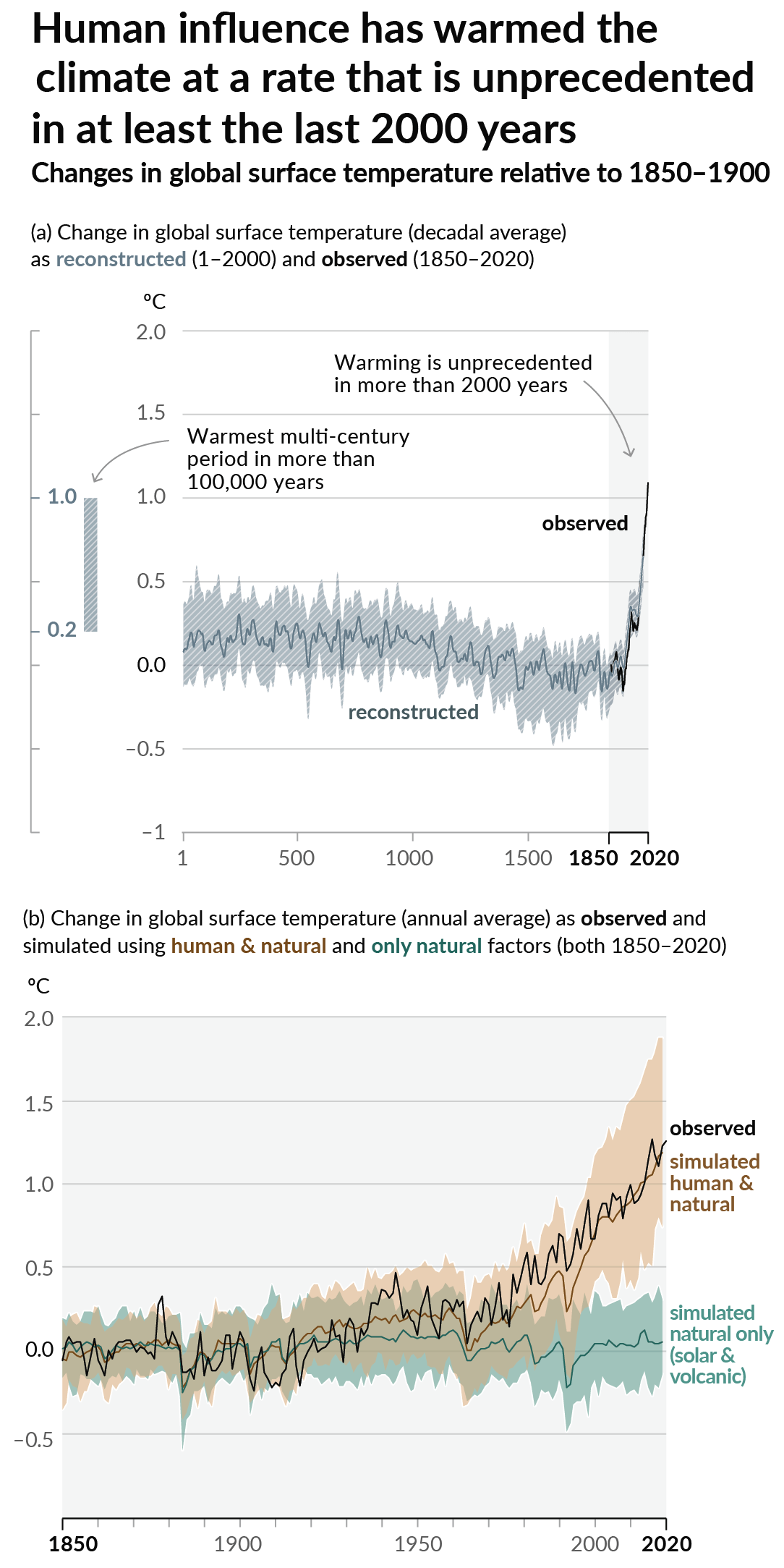
As a starting point, the burning of fossil fuels, and to a lesser extent deforestation and release of methane are responsible for the warming in recent decades:
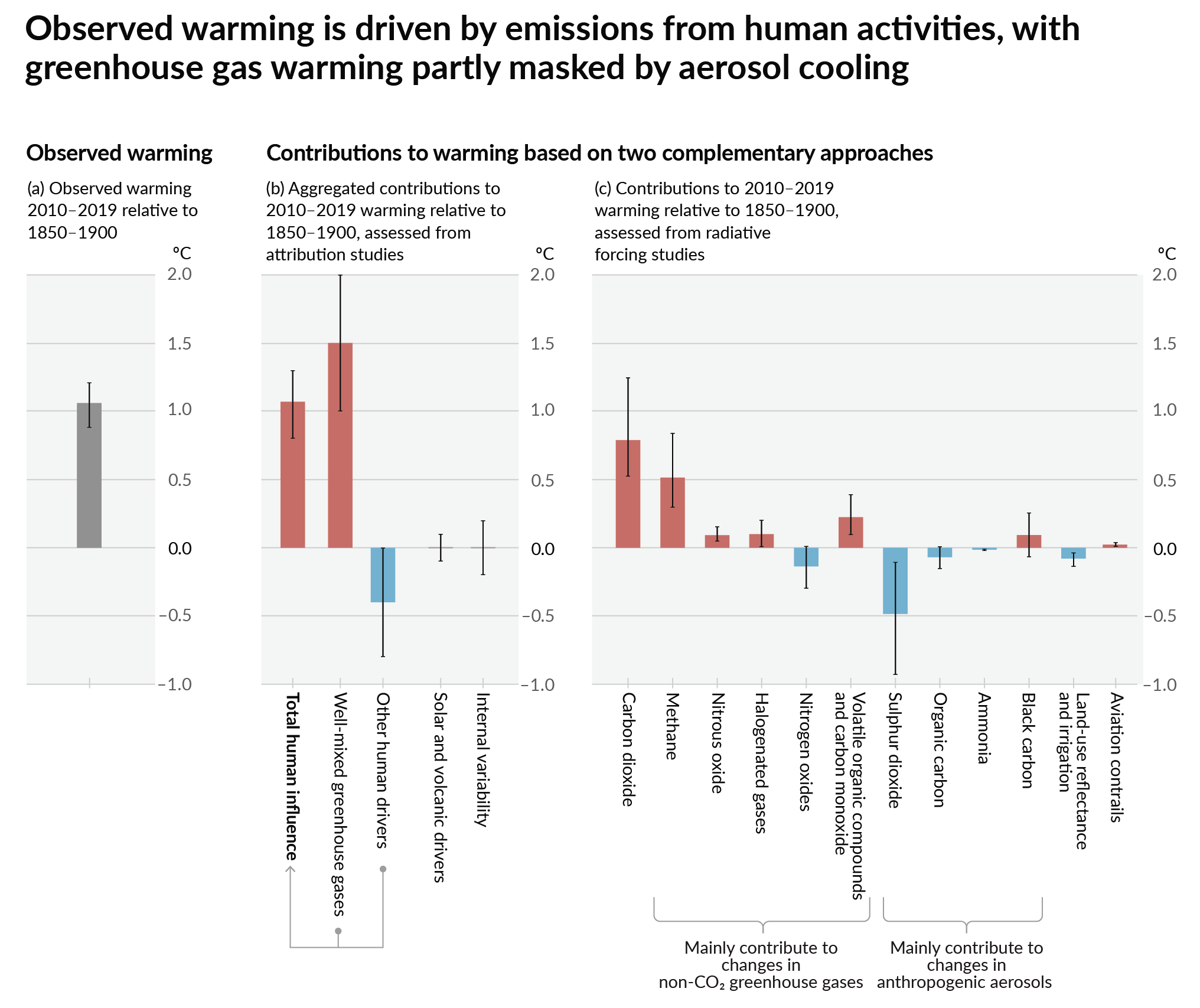
How much each change to the atmosphere has warmed the world:
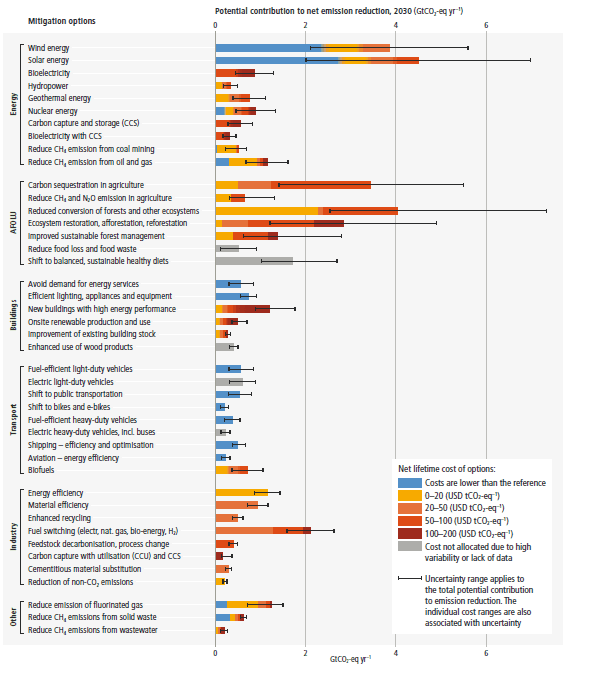
Recommended actions to cut greenhouse gas emissions in the near future:
Anti-science, inactivism, and unsupported conspiracy theories are not ok here.
founded 3 years ago
MODERATORS
you are viewing a single comment's thread
view the rest of the comments
view the rest of the comments
I wonder what the analysis on ground source heat exchangers are. A future dominated by climate change and extreme heat events, this looks lile a strategic liability.
It should be noted that these regulations are there to protect the rivers from overheating, the nuclear power plant doesn't really care that much.
They're still a liability though, not only for the reason of heating up rivers
I'm well aware. Both are important, thus my question.
Europe as in the EU member states don't mine uranium, so it's a strategic dependency anyways. If you're not a nuclear power (i.e. France or the UK, though no longer a Union member), nuclear makes no sense
True, but a reliable supply exists with your friends in Canada. Nuclear has to be secondary to wind and solar, but in a fossil fuel free world it still has a place.
"Surely this time relying on partner nations won't get us in trouble"
What is the EU if not partners you count on? It's not wise to go it alone. Friends and partners are good to have. Also as I stated, nuclear comes after wind and solar.
My point was relying on Canada for Uranium is like relying on the US for, I don't know, weapons or something, you're only one election away from being cut off a resource
I totally get that. But that is really a fact of life. No country can afford to live on only its own resources.
Edit: Canada has always wanted to sell its resources and is not aspiring empire. So one election away isn't accurate. Both major parties will gladly sell. It is vital to us, and makes us just that more reliable a partner.
Ah makes sense, I was really confused why we were protecting a steam turbine from summer heat.
So instead of turning off they could also run it at 50%? If that's even a thing.
Probably cost. Way cheaper to simply intake and output water than too build and maintain a ground loop heat exchange.
I did some shitty mental math and its cost and land and overall feasibility. There is so much consistent heat a power plant would overwhelm the thermal gradient. To offset this you would need increadible land masses and pipe networks. Twas a nice passing thought.
I don't see how that could work. Water cooling is just so much more effective.
A 1 GW reactor operating at 35% thermal efficiency is dumping out ~~650 MW~~ 2 GW of heat (Edit when I realized the nameplate capacity of a reactor is its electrical output, not its total power). It's hard to see how you can put that heat somewhere in the ground at a continuous rate and maintain some kind of equilibrium.
Evaporative cooling can handle roughly 2400 joules/g of water evaporated, so 1 MW (1 MJ/s) of heat could translate into about 416 g of water evaporated each second. That's what those cooling towers are doing in the stereotypical image of a nuclear power plant.
Meanwhile, if you're allowed to dump the waste heat by discharging warmer water than you take in, water can take on 4.184 J / °C g, so 1 MW would raise the temperature of about 240 kg of water by °C per second.
That's a lot of water used to cool these plants, but there's really nothing that can compete with water at these scales. That's why these plants are next to plentiful water, like on riverbanks next to rivers that have 100-10,000 cubic meters of water per second flowing by. Evaporate just 1 cubic meter (1,000 kg) of water per second for cooling 2.4 GW of heat.
Or, even without evaporative cooling, you could dump about 4 MJ of heat into each cubic meter of water that passes by and only raise it by a single 1°C.
So when the rivers are already running hot or with low water levels, there's really nothing else a power plant could do to expel/reject all the heat it's generating.