thats lots, and lots, of steroids for you.
CanadianCorhen
joined 3 years ago
Strongly disagree with what Carney said, but not sure he could say anything other.
Yea, definitely more than I like to see, but guess that's why it's a deluxe edition
oh, i was gonna buy it, got the first two on steam.
amen, Loved Doom/doom eternal, but completly skipping the dark age due to that.
Oh, I can agree with that
Was worried you were gonna say hydrogen!
Phased out in favor of....
I assume 'formulated in canada' is the petro-chem equivalent of 'designed in canada'
Partially, for sure, but continued decarbonization (heat pumps, electric cars, steel and concrete production) will also increase the need for power.
I'm sorry you feel this way, but it's pretty clear my facts can't compete with your feelings. You haven't provided an argument; you've provided drive-by link dropping without actually quoting or understanding the data.
Since you dropped the Lazard LCOE+ report, you should probably read its explicit caveats: Lazard openly states that standard Levelized Cost of Energy does not include grid integration, transmission, or the exponential system costs of full-scale energy storage. When you look at their actual "Firming" metrics (adding storage to intermittent renewables), the cost advantage begins to shrink significantly.

I've consistently argued about the system engineering reality: the bottleneck to mine the massive amounts of copper, aluminum, and materials required to scale that storage to 100% makes the transition to renewables, without a nuclear backbone, a slower prospect, and often more expensive.
If you decide to push a all-renewable future, please don't try to stand in the way of those of us who want a diversified, realistic mix to curtail CO2 emissions in the short term. I have consistently agreed that the continued transition to renewables is needed, something you seem to ignore, but that persuing 100% renewable isn't feasible in the short term.
I'm sorry, but once you devolved to name calling, I really stopped caring about what you said. You've already revealed how you don't care about facts. I've been consistently upvoting your posts during this debate until you reached that point.
I hope you have a good day, and stop standing in the way of a sustainable future before it's too late.
Most of us are working to save the planet I'm an expedited fashion, with a goal of a transition away from carbon emitting sources as soon as possible, you are not.


I had a plan in my head for a custom end table for quite a while, something made of local wood, a book shelf, and integrated wireless charger. This is the result.
Wood is arbutus wood, treated with tung oil just need to add a drawer. Plans are entirely unique, made in Civil3d. I took the raw wood, rough cut it, planed it, sanded and polished. It's as close to scratch as you can get.

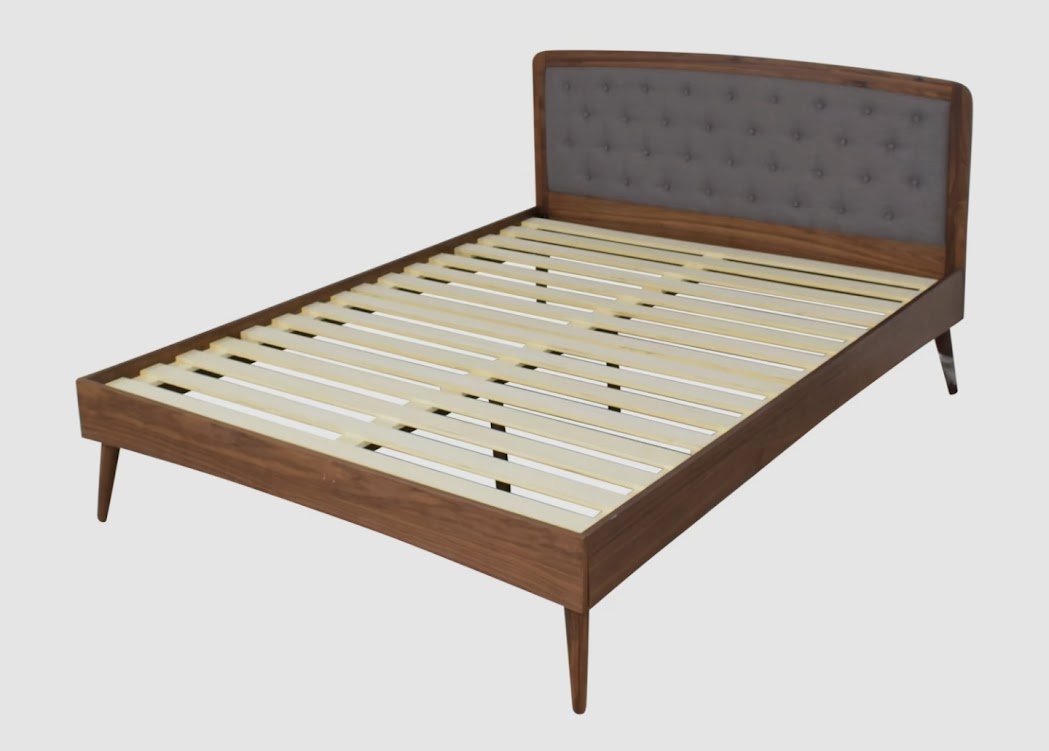
I want to make my own bed, and have several example pictures. Where do people find plans for their furniture?

band is not famous, so a little hint that its a steampunk band.

view more: next ›
Feeling pretty spooned right now, 1 kc and i got Hallowfell.