this post was submitted on 06 Mar 2026
1130 points (99.3% liked)
Climate
8395 readers
1389 users here now
Discussion of climate, how it is changing, activism around that, the politics, and the energy systems change we need in order to stabilize things.
As a starting point, the burning of fossil fuels, and to a lesser extent deforestation and release of methane are responsible for the warming in recent decades:
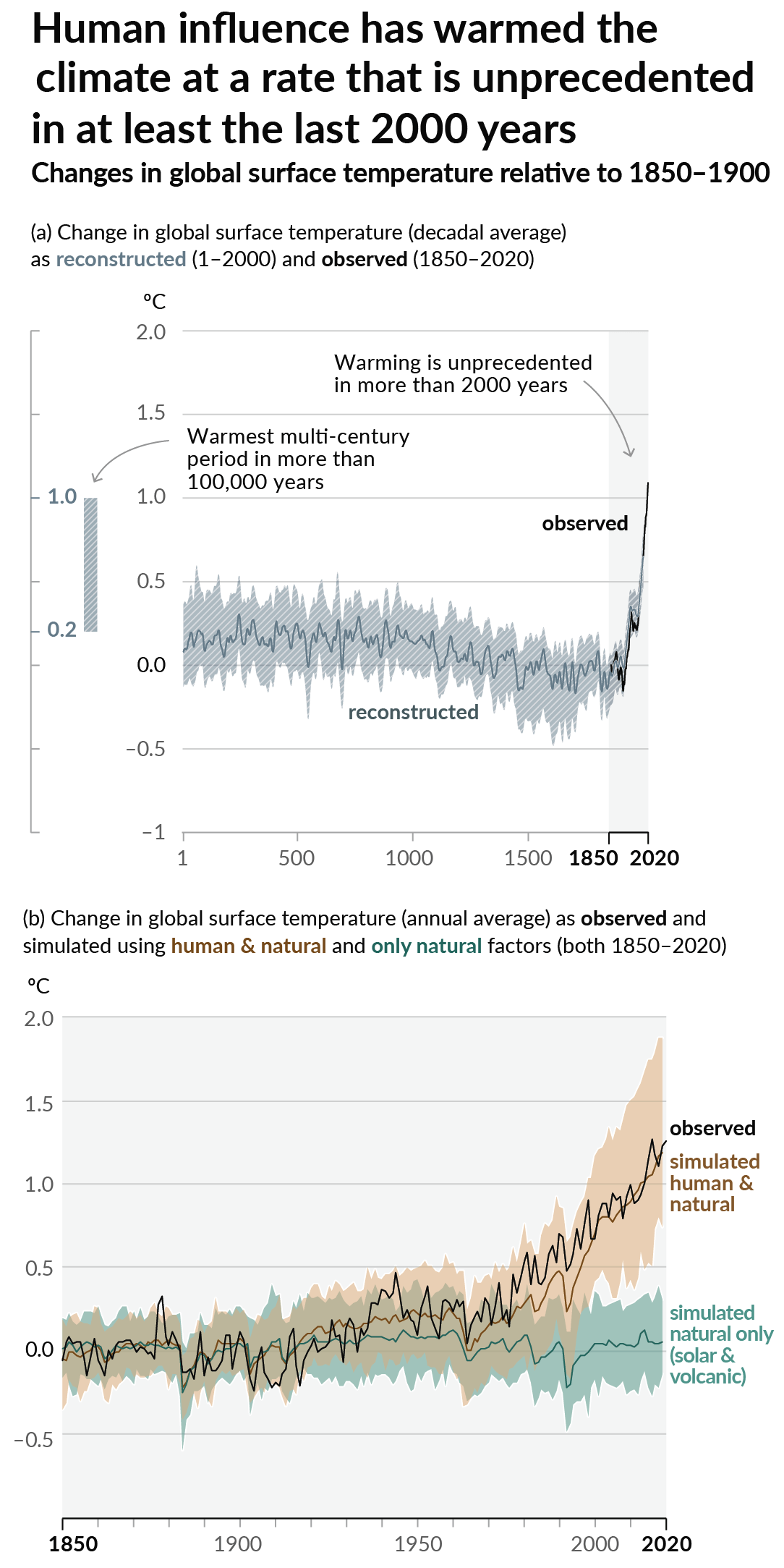
How much each change to the atmosphere has warmed the world:
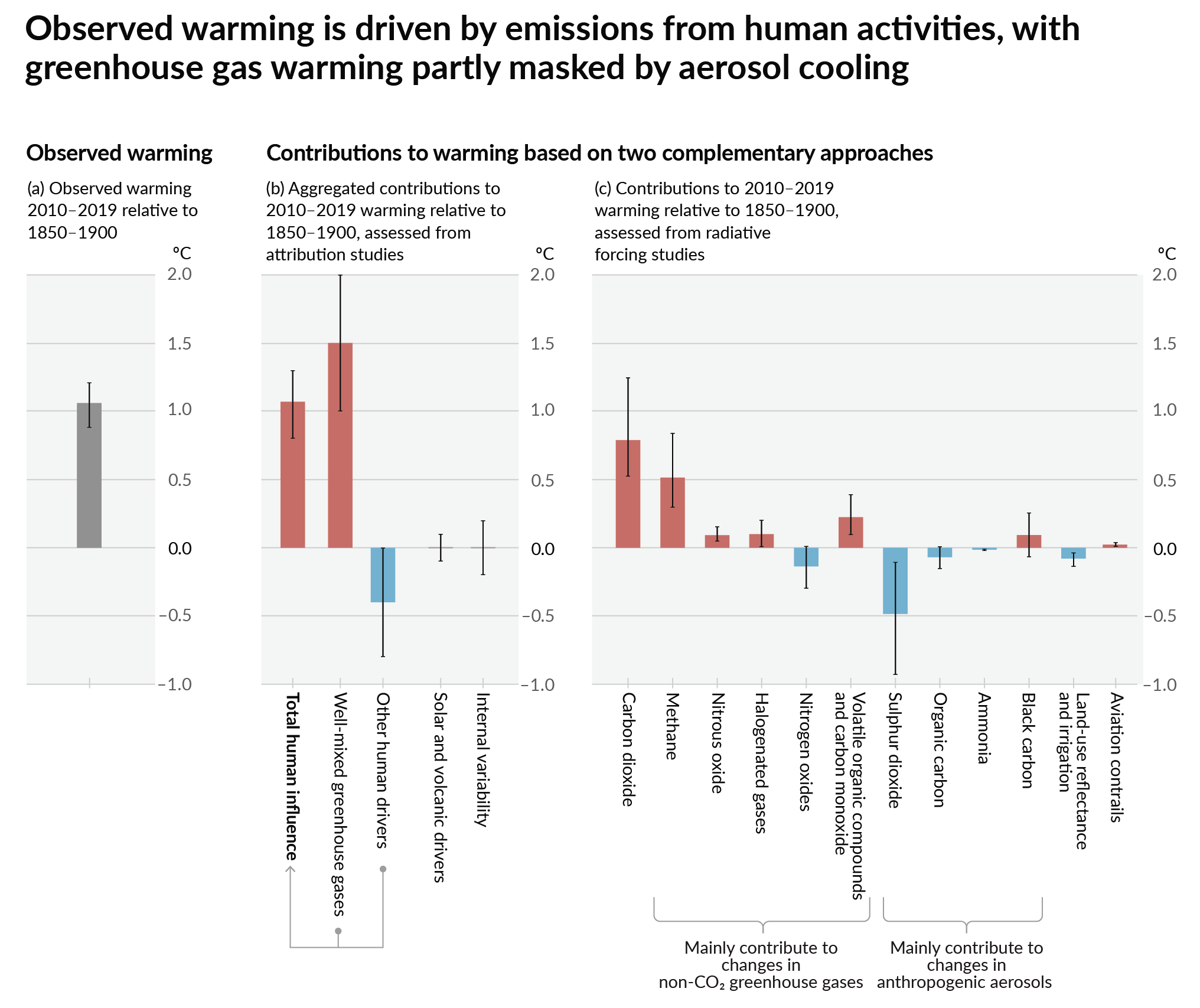
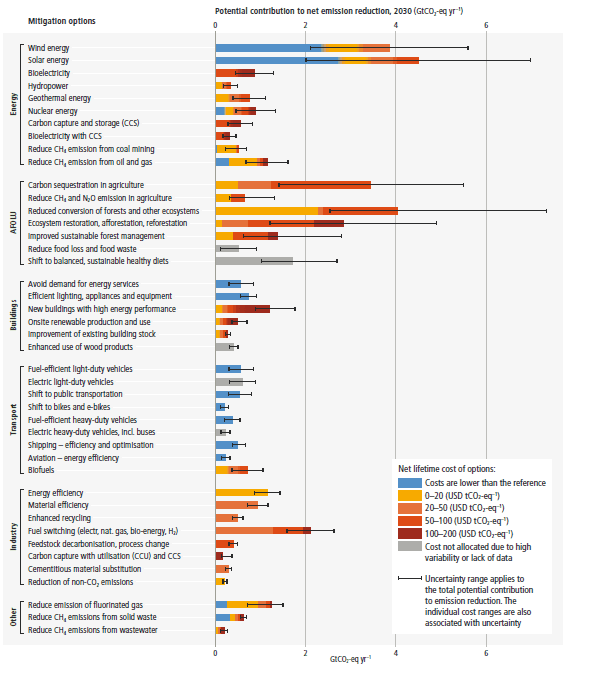
Recommended actions to cut greenhouse gas emissions in the near future:
Anti-science, inactivism, and unsupported conspiracy theories are not ok here.
founded 2 years ago
MODERATORS
you are viewing a single comment's thread
view the rest of the comments
view the rest of the comments
You forgot normal plastics. 99.99% of all plastic types are basically made from petroleum.
They don't have to be though. We do not need petroleum to make plastics.
I didn't say it has to be... It's the reality. In the context of bioplastics the challenge is that the 17.5% of people in high-income countries are currently the only ones with the infrastructure and the disposable income to easily adopt expensive non-petroleum products and produce them as well. As for the other 82.5%, petroleum-based plastics remain the standard because they are significantly cheaper to produce and easier to manage in traditional waste streams. So, unless these replacement comes in cheap and easily producible forms we are far from replacing anything in the near future.
Yeah, didn't want to hit every note. Medical specifically requires a higher tolerance and quality level that makes it more challenging to be replaced with alternatives like bioplastics. For most items, I'd be fine buying them in glass or cans again.
but then we'd have to ACTUALLY recycle our tin and aluminium cans. I would RATHER DIE