this post was submitted on 06 Mar 2026
994 points (99.4% liked)
Climate
8395 readers
1226 users here now
Discussion of climate, how it is changing, activism around that, the politics, and the energy systems change we need in order to stabilize things.
As a starting point, the burning of fossil fuels, and to a lesser extent deforestation and release of methane are responsible for the warming in recent decades:
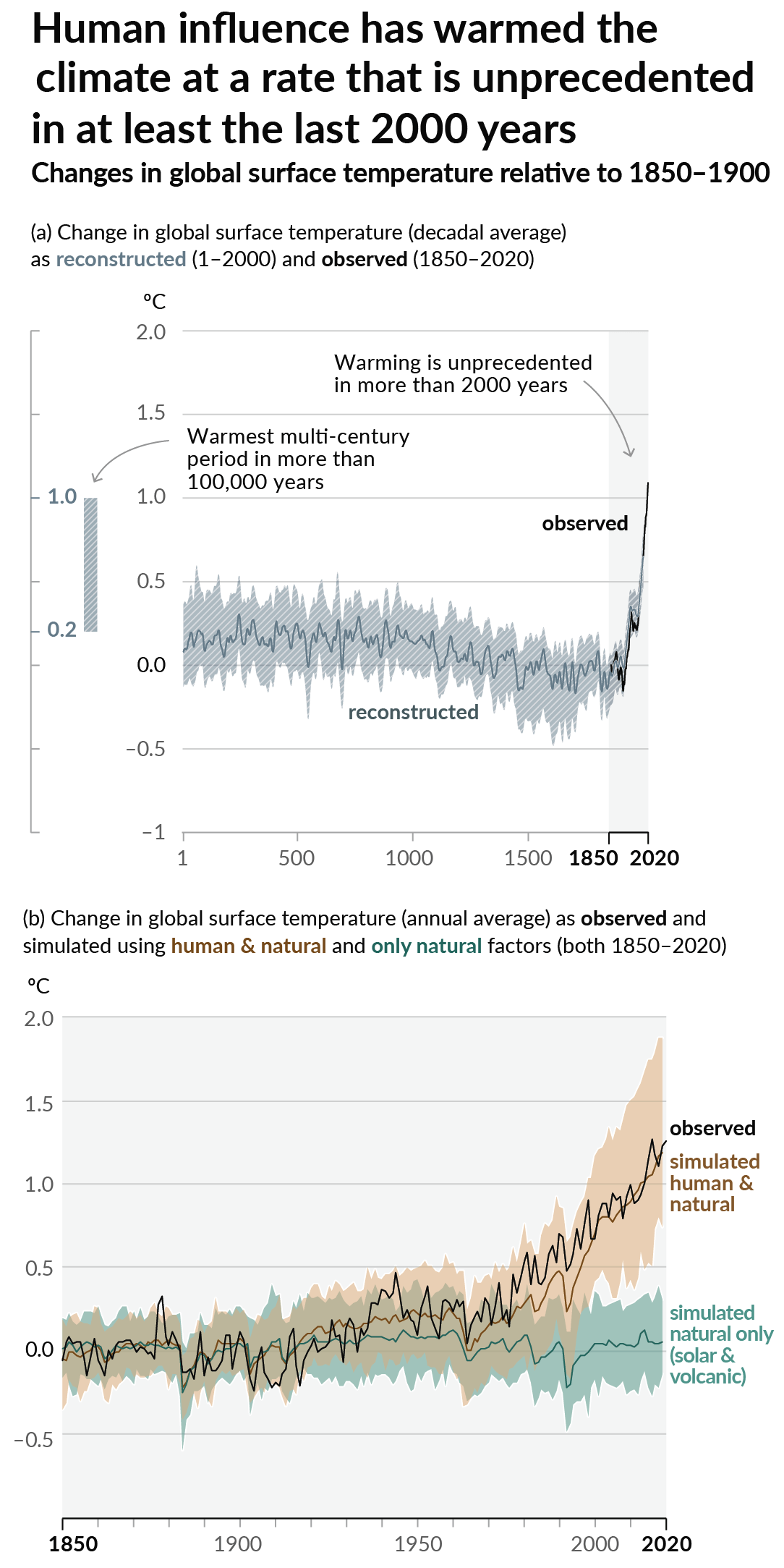
How much each change to the atmosphere has warmed the world:
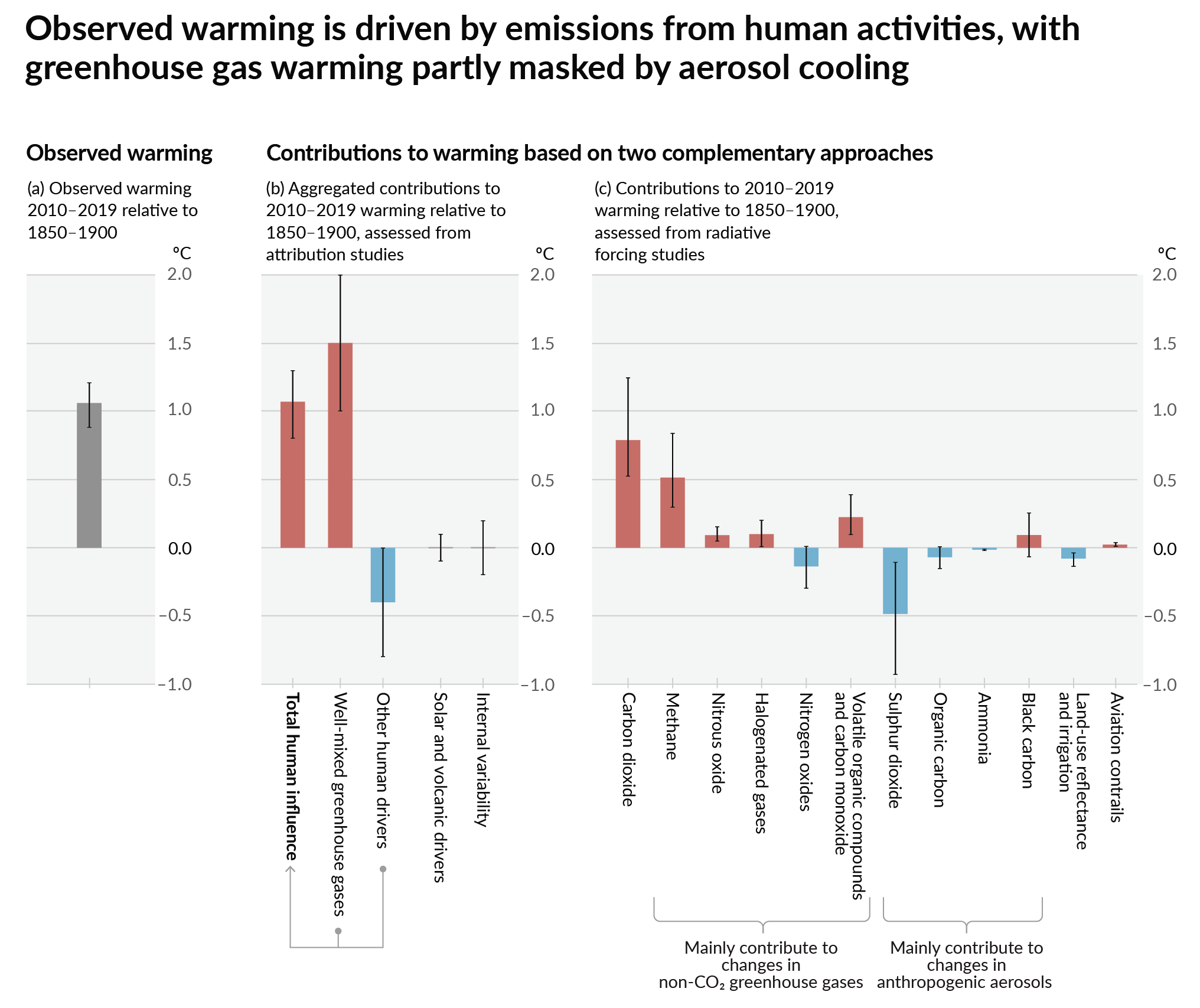
Recommended actions to cut greenhouse gas emissions in the near future:
Anti-science, inactivism, and unsupported conspiracy theories are not ok here.
founded 2 years ago
MODERATORS
you are viewing a single comment's thread
view the rest of the comments
view the rest of the comments
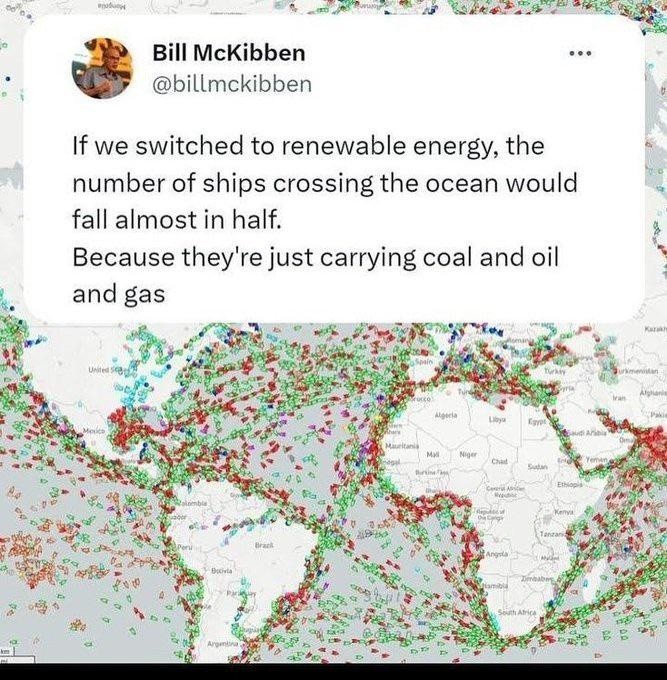
If the post is even accurate, that likely doesn't factor in secondary needs. Roads, tires, shampoo, soap, lubricants, hydrogen, solvents, medical plastics. So many things made from oil and oil byproducts.
All of these industries have to be looking into alternatives in parallel, if they are even aware.
Those all can be produced from synthetic hydrocarbons made from atmospherically captured CO2. We don't need to drill an oil well to make plastic.
Whoa, seriously? Okay that's awesome to know. And pretty cool.
-- Frost
Petrochemicals are barely 10% of oil usage, not really important by volume.
Asphalt for pavement and shingles is amaong the most recycled materials on the planet.
Soap and shampoo can be made from animal fat or vegetable oil.
Hydrogen can be made from water. You get oxygen too.
These are not unsolveable problems.
They're not problems that need to be solved. If we cut fossil fuel use by 90%, there's hardly any impact on these uses.
Never said unsolvable by any means, but they need to be solved yesterday. Blows the mind too, for all those capitalism-minded people, they have all this untapped "wealth" they could be getting into on the ground floor instead of clinging to oil.
Not how you think. The asphalt is ground up for the mineral content then mixed with new bitumen.
Most of it is. Cheapest way to do it.
By wasting a lot of electricity.
Just curious, how is the majority of hydrogen produced/mined/farmed now?
I kinda always assumed it was electrolysis just because the process is so simple.
We could reduce shipping needed for these if it became the norm to ship them dry and mix with water in the home. Bonus: they could be shipped in paper rather than plastic, and consumed from reusable glass bottles rather than plastic.
1000% this. I've been trying to get my household switched over to dry detergents whenever possible. I simply hate the idea of shipping water around, since it is bulky, heavy, and makes up like 70-90% of most household cleaners.
And set up a bottle deposit and return system that only needs to function at a local level. Haha, the solution to one of the big problems I saw with using glass instead of plastics for packaging. Just don't ship it that way, ship it at scale dry in a paper container that collapses to nothing for the return trip, or holds some other good going back.
Could also reduce the shipping needed on these by requiring standard container shapes that can properly be emptied. So many consumer product containers, even food containers, are designed so it is difficult to fully use the product. Companies see it as an uptick in sales because you'll be buying that soap/ketchup/whatever more frequently since you can't use 4 ounces out of the bottom, rather than seeing the cost-savings of not shipping 4oz x thousands of containers of weight pointlessly. (Personally, I go out of my way to empty every container fully, but many see it as a waste of effort.)
The vast majority of oil and gas consumption is just burning the shit in a pile
The oil companies want you to think about plastics to make you think all the oil we drill is important, but it's actually only a tiny fraction. It's all propaganda.
There is indeed propaganda going on, but there is also a reality that many supply chains need conversion, and that money needs to come from somewhere. Not saying it is right, nor that it is unsolvable, just a reality. Most often, the smaller businesses are destroyed by expensive switches to new methods. Which is all we need, more megacorps owning everything.
In a world with functioning governments, processes, grants, tax breaks, and such could be set up to help companies switch.
You forgot normal plastics. 99.99% of all plastic types are basically made from petroleum.
They don't have to be though. We do not need petroleum to make plastics.
Yeah, didn't want to hit every note. Medical specifically requires a higher tolerance and quality level that makes it more challenging to be replaced with alternatives like bioplastics. For most items, I'd be fine buying them in glass or cans again.