What gives that away to you?
ClockworkOtter
joined 3 years ago
There are still things that get placed on nurses as busy-work. We used to get pulled up for not writing shift notes, but I always pointed out that it was basically duplication of standard documentation and I would always prioritise actual care over paperwork.
If it's not written down it didn't happen - but if it didn't happen because I was stood at the COW then it didn't happen either...
Just chuck them a junk email, they really don't care.
I don't know what happened to my last comment, but this is an ampoule which is a common way of packaging small volumes of drugs. If this is iron it's probably for IM injection, and if it was for IV infusion it would be more likely to come in a vial.
In my experience anyway.
It's an ampoule. You snap off the top and draw up the contents. Some meds come in vials with a rubber bung, others come in ampoules, and some come in both.
Some forms of iron can be given IM, so this would be drawn up into a 1-2mL syringe and given in the arse (if this is iron). If it was for IV infusion I would be more likely to expect it to come in a vial.
Just to check, this isn't someone pretending to be a poor landlord complaining about themselves being at home all day?
If it's dark brown - almost red - could be iron for injection.
Good question.
https://www.rmets.org/metmatters/study-explains-science-behind-asperitas-newly-recognised-cloud
Clouds have always appeared in paintings, photographs and pictures, but images captured by amateur photographers confirmed the existence of a dramatic cloud form with a roughened, wavelike base. Citizen science has now helped experts to explain how the newly-recognised ‘wave-like’ asperitas cloud is formed.
In new research, scientists combined infrared satellite images, weather forecasts and laser cloud measurements, taken at the time the rare cloud formations were reported by members of the public, to learn about the weather conditions that create them. Their findings, published in Society's journal Weather, show for the first time that asperitas is a low level cloud made of water – not ice as previously suggested – which develops its characteristic form from atmospheric disturbances, such as weather fronts and storms.
Professor Giles Harrison, who led an international research team including scientists from the University of Reading’s Meteorology department, the Met Office and the European Centre for Medium Range Weather Forecasting (ECMWF), said: “The sky is often full of clues to weather changes, and asperitas provides distinctive visualisation of complex and turbulent air motions in the lower atmosphere.”
“Reading the sky is a key part of meteorological education, warning aviators and those outdoors of potentially hazardous weather. Asperitas is now a cloud to watch out for too.”
This newly-recognised cloud was officially named asperitas by the World Meteorological Organisation in March, following a 10-year campaign for recognition.
The researchers analysing the cloud for the new study compared sightings with available meteorological data from that time and location to investigate the weather conditions that likely gave rise to the cloud formation. They found that the asperitas formation is likely to be closely associated with atmospheric gravity waves. These are generated along weather fronts and by thunderstorms, where air masses clash and cause vertical motion. This was seen in some of the satellite images analysed by the scientists.
Isn't it an autobiography?
I had a good feeling going into our first date so I brought a toothbrush.
She still brings it up when we talk to people about how we met.
Just to add to this comment, this is specifically in population level studies rather than on a per-individual basis.
220
Man who survived ebike fire that killed his family fights for change to UK law
(www.theguardian.com)
Morning haar was leaving the dandelion clocks covered in dew the other day. Probably should have bumped up the ISO so I could have a faster shutter and tighter aperture.
Ricoh GRIIIx F4.5 1/30 ISO100

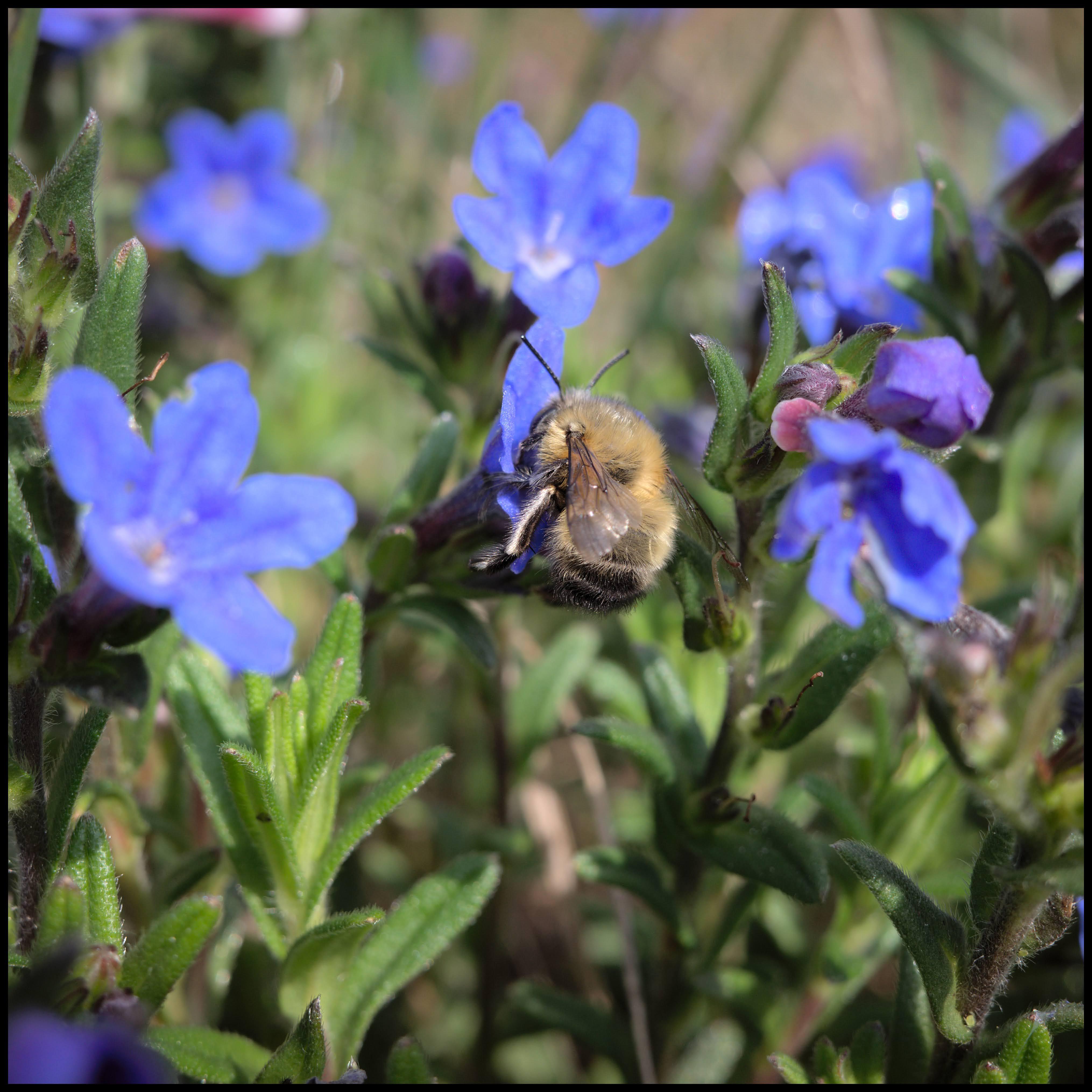
Joining the bees in the garden.
Ricoh GRIIIx F5.6 1/200 ISO100
We're getting rid of this shed soon because it was crap when we moved in and could probably come apart next time we have a storm. For now it has "character."
Ricoh GRIIIx F5.6 1/200 ISO100

56
Coffee drinkers have much lower risk of bowel cancer recurrence, study finds
(www.theguardian.com)
Sony RX100i
Darktable

view more: next ›
I heard that's going to be the next episode of WTYPP